Tuesday, September 30, 2025

Monday, September 29, 2025

洞见未来 一张打孔卡开启信息时代

IBM 洞见未来 一张打孔卡开启信息时代

洞见未来 一张打孔卡开启信息时代

*“.......他所创立的公司,历经多次合并与发展后,最终成为20世纪科技巨擘——国际商业机器公司(International Business Machines, IBM)。”*


2025-09-28

冯俊源

=====

19世纪末,美国政府陷入前所未有的“数据洪流”——一场人口普查耗时八年,几乎难以为继。就在这时,一位名叫霍利里思的年轻工程师,从织布机和火车票中汲取灵感,发明了打孔卡片制表机。这项创新不仅拯救了统计工作,也悄然拉开了信息时代的序幕。

在19世纪末的美国,进步浪潮正以前所未有的速度席卷全国。铁轨如血脉般连接美国东西两岸,为经济腾飞奠定了基础,移民洪流也从世界各地涌来。然而,繁荣背后隐藏着一个巨大的行政危机:人口普查。


1880年的美国人口普查,面对近五千万人口,动用上万名职员,在一望无际的分类账簿和统计表格中埋首苦干,耗费近八年时间才勉强处理完。这个结果令人沮丧,因为美国宪法规定每10年普查一次,这意味着结果尘埃落定时,下次普查已迫在眉睫。在这个历史背景下,每年9月成为信息处理史的重要纪念时点。1884年9月23日,一位名叫赫尔曼·霍利里思(Herman Hollerith)的德裔年轻工程师,为构想中的“编译数据艺术”(art of compiling statistics)提交了专利申请,这项发明正是日后穿孔制表机(tabulating machine)的雏形。

用孔洞记录人口信息

霍利里思本人是大移民时代的产物。他于1860年生于纽约州水牛城,父母是严谨的德国移民。他继承了德意志民族的精确与坚毅,年仅19岁便从哥伦比亚大学矿业学院以优异成绩毕业。他的第一份工作,恰恰就是在美国人口普查局。人口普查需要处理大量数据,还要统计出各城市的人口资料,如年龄、性别等。

霍利里思的上司约翰·肖·比林斯(John Shaw Billings)医生曾向他建议,是否能有一种机械装置来处理海量人口数据,就像法国人约瑟夫·马里·雅卡尔(Joseph Marie Jacquard)发明的织布机那样,用穿孔卡片来自动控制复杂的提花图案。这个想法如同一颗种子,深深种在霍利里思脑海中。当他看到火车列车长用打孔方式记录乘客特征时,突然灵机一动:如果一个孔洞代表一种人类特征,那么无数个孔洞组合,不就能记录一个人的所有信息吗?更重要的是,电流可以感知孔洞有无,从而实现自动计算。

这位充满雄心的发明家把这个概念转化成一套机电系统,基础是标准化穿孔卡片。每张卡片被划分为240个格位,每一格位对应一个特定答案。首先,人口普查员使用一台类似打字机的“键盘穿孔机”,将原始问卷上的信息逐一转化为卡片上的精确孔洞。

接着,操作员通过这套系统的核心“制表机”(tabulator)来读取资料。制表机有个装有弹簧加载的金属探针矩阵压板,每个探针对应卡片上的一个格位。当穿孔卡片被放入读卡槽时,操作员压下杠杆,探针矩阵便会朝卡片压去。如果探针的位置没有孔洞,它会被绝缘的卡片挡住;如果有孔,探针则会穿过卡片,浸入其下方一个盛有水银的小杯中。水银是优良的电导体,探针浸入瞬间就接通了一个独立电路。电信号会立刻驱动一个特定电磁计数器,同时还会敲响铃铛,提示操作员读取成功。

换言之,有孔处能接通电路计数,代表该调查项目为“有”(“1”),无孔处不能接通电路计数,表示该调查项目为“无”(“0”)。信息以二进制来记录和储存。

从制表机到科技巨擘

这套系统的威力在1890年人口普查中发挥得淋漓尽致。面对超过6200万的庞大人口数据,霍利里思的机器仅用短短六周就完成了初步人口总数统计,而全部数据的详细分析也只耗时两年半左右。这不仅为美国政府节省约500万美元的巨额开支,更重要的是,它证明了大规模数据自动化处理的可行性。正因为有了这项技术,1890年的普查才得以收集史无前例的丰富数据,包括移民状况、公民身份、英语能力等,为社会学家和政策制定者提供了一幅前所未有的美国社会全景图。

作为一名精明的企业家,霍利里思看到了这项技术在商业领域的巨大潜力。他辞去公职,于1896年创立“制表机器公司”(Tabulating Machine Company),并开创性地采用租赁而非出售的商业模式。很快,他的机器就出现在铁路公司的会计部门,用于计算货运里程和成本;也出现在保险公司的办公室,用于整理精算表格。企业第一次能够快速、准确地了解自身的运营状况,从而做出更明智的决策。这标志着“商业智能”(business intelligence)的诞生,数据处理产业由此拉开序幕。他所创立的公司,历经多次合并与发展后,最终成为20世纪科技巨擘——国际商业机器公司(International Business Machines, IBM)。

霍利里思的发明影响深远,远远超出他的时代。他所推广的穿孔卡片,作为一种标准化数据载体,统治数据处理领域长达半个多世纪。他开创出全新思维范式,将抽象、复杂的社会信息转化为可被机器读取、分析和计算的物理格式。这种“数据编码”的思想,奠定了信息时代的基础。

小知识

霍利里思设计的穿孔卡片,摄于1895年。(美国国会图书馆)
霍利里思最初设计的穿孔卡片,尺寸与当时的一美元纸币完全相同。这并非巧合,而是一个极务实的设计考量。为了方便储存、运输、处理数千万张普查卡片,霍利里思特意采用这个尺寸,以便能直接使用美国财政部现成的、用于存放钞票的标准储存柜。这种将计算问题与后勤物流相结合的周全思维,充分展现出他作为工程师的远见。

The hidden pain of doctors who couldn’t save a life

The hidden pain of doctors who couldn’t save a life
https://www.straitstimes.com/opinion/the-hidden-pain-of-doctors-who-couldnt-save-a-life

2025-09-27

By--- Dr Khoo See Meng, chairman of the Medical Board of Alexandra Hospital and a specialist in respiratory and critical care medicine, is the recipient of the Ministry of Health’s National Outstanding Clinician Educator Award 2025.

=====

I recently chaired a virtual hospital grand round – a regular session where healthcare professionals take turns to share their knowledge, experiences and expert opinions with colleagues. What transpired left me strangely apprehensive about ever wanting to do such a task again.

It was not that the talk was anything contentious. Quite the opposite. Someone spoke up, in a genuine and powerfully personal way about something doctors don’t often talk about: having a patient die, and how it affects us emotionally.

My colleague, with astonishing vulnerability, recounted how one night, she found herself – much like doctors do in a typical plot of a medical drama – in a crisis, having to make clinical decisions where the stakes could not be higher. But unlike a neat Netflix episode, the night did not conclude with a hero saving the day. The patient did not survive. The doctor did not live happily ever after.

She detailed her meeting with the family: “They wailed. All I could say was, ‘I’m sorry, I’m so, so sorry’.”

But it was when she went deeply into the effect this profound, yet often unspoken event, had on her psychologically, that we listeners to her ordeal were stymied. I was a seasoned chairperson for healthcare-related tasks, but I was lost for a way to wrap up something as raw as this, of her baring her soul. 

She said: “That night, something fundamental about my world was shaken. Medicine is never the same again. I’m never the same again. I became a recluse.” 

“My emotion was unpredictable and incomprehensible even to myself. I’d go to great lengths to avoid certain situations and having to make certain decisions. And the rumination, yes, the torture of endless rumination.”

“I shouldn’t have gotten out of bed that morning. Colleagues noticed the change, but probably didn’t know how to talk to me. Closer friends told me I needed professional help. I was reluctant. I’m not weak. I’m not one of those who can’t take the heat of this job.”

“I relented and saw a private psychiatrist. Did it help? I think so. Am I cured? I don’t know.”

A flurry of onscreen hearts
I pretended to take a sip from my empty coffee mug and waited for someone to say something.

As the silence grew louder, someone in the online audience floated a heart emoji onto the screen. This opened the safety valve – a gust of cathartic energy was released. 

A flurry of red hearts flooded the screen, followed by an eruption of comments thanking the woman for her generosity in being vulnerable for the benefit of her colleagues. 

We wished her well, went back to our work, and carried on with our lives. 

More On This Topic
Beyond advice - the quiet, profound lessons from mentors
The real meaning of self-care and why it matters
I could not stop thinking about what was said that afternoon. Hospitals are complex microsystems where everyday work presents unexpected challenges, and sometimes, psychological harm. 

While they are generally workplaces with a high sense of purpose, which draw the best from their people, they are also where, when mistakes and untoward occurrences take place, the consequences are unforgiving. 

Qualities that make a good doctor are seemingly contradictory: a healthy dose of detachment, and a deep sense of care. How you optimally balance the two becomes a tightrope that many doctors struggle to walk.

How do we walk out of death’s long shadow?
In a work context which celebrates excellence and commitment to good outcomes, where success means lives saved, it is difficult to find helpful the standard advice given after mistakes happen.

That advice is: accept responsibility, be appropriately self-critical, reflect on achieving better results in the future, but avoid paralysing rumination and crippling guilt. 

The fact is, after a personally and professionally cataclysmic event such as a patient’s death, we all walk out of its long shadow in our own way. Or we don’t walk out at all.

What is universal is you are never the same again. How you see the profession, the world and yourself can never be the same again. 

Given that the standard advice feels trite and condescending in the immediate aftermath, the only hope of solace for the raw emotion usually comes from the knowledge that you are not the only one this has happened to. 

There are people in your midst, maybe even colleagues you look up to, who also found themselves in the same place, having to navigate the same treacherous terrain after an error, and they have managed to survive.  

The signposts they leave behind on the same unwelcome journey are probably the only things you have for a sense of direction, when you are alone at your lowest. But unsurprisingly, in clinical medicine, with its culture of heroic excellence, such touchy-feely reflections of personal failure are rare, and attempts to invite such stories attract little participation.

Some units in hospitals have sessions intended to help young doctors process the emotional challenges after patient deaths and errors. These are generally thought of as being more appropriate for junior doctors and less relevant for seasoned practitioners, who are assumed – probably incorrectly – to be less susceptible to such morbidities. It is possible that the relative absence of such a support system to facilitate productive discussion on this difficult topic puts many in the system at risk of isolation. 

For this reason, what my colleague did that afternoon was especially significant in changing the culture of how we view errors, bad outcomes and its victims.

More On This Topic
My grandfather’s heart attack taught me that a doctor’s care goes beyond the patient
The doctor will see you now – and listen to your story
We will survive
Years ago, when I took over the training in internal medicine for the young doctors in the National University Health System (NUHS), I found a group of charismatic colleagues with a willingness to be self-disclosing, and started an online forum where we share reflections of our personal experiences in clinical medicine, including errors and bad outcomes.

What started out as a few senior doctors sharing their personal stories eventually evolved into a vibrant exchange between doctors of different generations, which we affectionately named “Our Sea of Stories”. Years later, after I left the training programme, I spoke with some of my ex-students about what the sharing of these stories meant to us. 

One said: “They touched on topics that people were not willing to talk about... mistakes and adverse outcomes. As the stories reached and influenced many of us in the programme, they contributed to an open and honest culture in our workplace.”

The ex-student added: “I need to say this – I think of them as like last week’s dinner: I don’t remember exactly what I ate, but I’m convinced that I would not have survived till today without it.”

What I should have said, but did not, at the end of my colleague’s talk about losing a patient, was to reference that quote and say: “Thanks for sharing your dinner. Because of it, we will survive.”


Dr Khoo See Meng, chairman of the Medical Board of Alexandra Hospital and a specialist in respiratory and critical care medicine, is the recipient of the Ministry of Health’s National Outstanding Clinician Educator Award 2025.

Sunday, September 28, 2025

南大明年(2026)开办中医学理学硕士课程

本地首个

*南大明年开办中医学理学硕士课程*

除中医领域业者 医科牙科等人士也可报读

======

2025-09-28
新明日报

  南洋理工大学明年将推出首个由本地大学提供的中医学理学硕士课程,进一步培养本地中医高素质人才。

  这门课程由南大生命科学学院开办,目标是培育在理论、临床与科研能力方面兼具的中医人才,让他们能够无论是在中医及综合医疗领域中做出贡献。

  卫生部兼人力部高级政务部长许宝琨医生今早在南大举办的首届全球中医峰会宣布这项课程会在明年推出。许宝琨指出,对于推进国民健康,中医扮演重要角色,能和西医彼此相辅相成,让病人从这两种医疗系统获益。

  南洋理工大学是首个开办这类硕士课程的本地大学。

  根据南大文告,修读课程的学生会先修读一系列核心课程,这些课程涵盖科研方法、传统与现代中医理论和治疗方法以及如何结合。随后,学生可选择专攻妇科、针灸或生物医学科学。课程结构确保学生能更好地应对复杂病例,同时拓展临床与科研能力。

  除了中医本科毕业生与中医执业者,该课程也开放让医科、牙科及相关健康领域的人士报读。

首批料收30学生

  南大中医诊所主任兼中医学士学位课程主任钟丽丹副教授接受媒体访问时说,该课程全日制为一年,非全日制为两年,首批学生人数预计为30位。  

南大将与北京学院合作

推动AI中医领域应用

  南大也宣布,将与北京中医药大学联手设立实验室,推动人工智能在中医研究与慢性病管理中的应用。

  双方已于今年7月签署意向书,联合实验室将由新加坡南洋理工大学生命科学院院长卡纳伽·萨巴帕蒂领导,致力于开发个性化中医治疗及预测疾病趋势。  

冯凯麟 报道

My Weight Statistics (2025-09-28) -- Monthly Weight Measurement on the 28th of Each Month Since 28 May 2007

严孟达:身份认同与外交立场

严孟达:身份认同与外交立场
https://www.zaobao.com.sg/forum/views/story20250928-7577288?utm_source=android-share&utm_medium=app

2025-09-28


在错综复杂的国际外交中,小国要有表现,靠的是自信和能力。不妄自菲薄,也不妄自尊大。

身份认同关于个人,外交立场则是国家层面的事,两件事似乎没有关联,但对新加坡人而言,两者之间千丝万缕,剪不断理还乱。

相较于种族、宗教或母语,逾八成受访者觉得身为“新加坡人”是构成他们身份认同的重要因素,占比高于过去两轮的调查。对有宗教信仰者而言,超过七成觉得宗教在身份认同中至关重要,这个比率呈上升趋势。

新加坡政策研究所于2024年4月至8月通过约45分钟的面对面问卷,收集了4000名新加坡公民和永久居民对种族、宗教和语言的看法。

研究所8月20日发表题为《新加坡人的宗教身份认同与习俗》的工作论文,透露这项调查结果。

延伸阅读

李资政:想让小红点继续发光 国人须求同存异

郭振羽:作为移民社会 新加坡人身份认同发展“没有终点”

整体而言,影响受访者身份认同的因素,依序为新加坡国籍、最常使用的语言、宗教、种族、官方母语,以及家庭原籍国。

“新加坡人”是我国多元种族社会的最重要认同因素,与前两轮调查相比,持此观点的受访者比率呈持续上升趋势。这是国人喜闻乐见的社会发展。

此外,国务资政李显龙日前在新加坡国立大学的论坛上仍在强调:“我们不是华人国家,若不明白这一点,就不能真正成为新加坡人。”

原因在于:“直到最近,仍有一些中国人对新加坡存有疑问:同文、同种、同宗、同祖,为什么不同意?”李资政说,他们对此感到疑惑。

李资政的这个表态并不新鲜,现在的重复表态,是讲给国内外部分疑惑人士,或是心底明白却装疑惑的人听的。

从网上的反应来看,李资政这一番无可厚非的论调,却像是一石激起千层浪,一些中国博主、主播,甚至台湾亲大陆的电视名嘴,听了李资政这一番话之后,似乎疑惑更深,也许更多的是故作疑惑。

不同国家有不同的利益,新加坡人没有理由不明白这个道理。经历了60年的建国历程,我们冷暖自知。过去当新加坡陷入困境时,没有其他国家会基于任何种族、宗教、语言和文化因素而向我们施予援手。

也正因为几代人的同甘共苦,风雨同舟,塑造今天新加坡人的身份认同。李资政说:“你必须认识到,我们有不同的国家利益,如果你不明白这一点,你就不能成为新加坡人,也无法形成真正的新加坡人身份认同。”新加坡人性格与世界观的形成,还是一个渐进的漫长过程。

外交部长维文医生9月19日在慧眼中国环球论坛的“炉边对话”环节,形容新中关系“同中有异”,两国是全球“唯二”以华族居多的主权独立国,但正因保持差异,新加坡才更有价值。


新加坡不会自认是华人国家,从建国第一天开始,建国总理李光耀便努力抗拒新加坡被当作“第三中国”,并尽其一生坚守原则。他在位时不想去,1990年退休后也同样不便去探访的,就是中国祖籍地广东大埔,那里有他祖先故居,被中国当局保留。

新加坡是中国以外的另一个以华人居多的国家,在今天的险恶的国际环境下,身处美国与中国激烈竞争的夹缝中,新加坡的国际地位和身份认同显得格外敏感。

公共服务统筹部长兼国防部长陈振声9月初接受《联合早报》的专访,分析当前的国际局势时,抛出金句:“选边站就是靠边站,靠边站就得选边站”;我国必须有立场,保持成功和提供价值,才能与各国保持关联,由此减少被迫选边的风险。


9月18日在北京香山论坛第二次全体会议上,陈振声重申,选边站队,充当他国代理人,只会导致自身边缘化,削弱自主权,小国不但不能选边站队,反而要始终坚持支持开放包容、基于规则的国际秩序。

世界两个大国在竞争中,都希望拉拢更多国家,以壮声势。大国有自己的战略利益盘算,小国若是缺乏立场,举棋不定,或是只顾眼前一时利害,将自我损伤。

作为小国,新加坡致力跟最多国家发展全面战略伙伴关系。新一任政府的外交触角伸向不同方向,寻求发展更多双边和多边关系。亚细安是新加坡展现外交活动力的平台,并推动亚细安在安全方面的合作,如亚细安防长会议(ADMM)、亚细安加八防长会议(ADMM-Plus)等平台。

超过145个国家签署、61个国家已经核准,120天后生效的《国家管辖范围以外区域海洋生物多样性协定》,以加强保护全球至少三成海洋为目标。新加坡视之为一次牵头成功,经过两年努力的外交胜利;新加坡驻联合国海洋与海洋法大使陈惠菁主持,在维护国际法中立下一功。

在错综复杂的国际外交中,小国要有表现,靠的是自信和能力。不妄自菲薄,也不妄自尊大。

近日来,几个重要领导人涉及新加坡人的身份和外交立场课题的言论频繁,这两个课题环环相扣,在这敏感时刻更凸显其中的微妙。无怪乎领导人如临深渊,如履薄冰。

(作者是《联合早报》特约评论员)

My 18-year Weight Management Records from 2007-05-28 to 2025-09-28 (by Calorie Restriction, i.e. Dietary Energy Restriction):


My 18-year Weight Management Records from 2007-05-28 to 2025-09-28 (by Calorie Restriction, i.e. Dietary Energy Restriction):

Note: According to the Singapore Health Promotion Board, a Healthy BMI is greater than18.5 and less than 23.0. A BMI less than 18.5 would mean that the individual is at risk of nutrition deficiency diseases and osteoporosis. 

A BMI equal or greater than 23.0 would mean that the individual is at risk of obesity-related diseases. (Ref: DD-Md2022J28)

As of 2025-09-28,

Note: ### indicates BMI = 23 or > 23

Total number of Monthly Weight monitored was 220 (100%)

The no. of times my healthy BMI between 18.5 and 22.9 was 215 (97.727%)

The no. of times my unhealthy BMI equal or more than 23.000 was 5 (2.273%)

=======================

2007

2007-05-28 morning, my weight = 65.0 kg, BMI = 23.588###

2007-06-28 morning, my weight = 61.0 kg, BMI = 22.136

2007-07-28 morning, my weight = 59.0 kg, BMI = 21.410

2007-08-28 morning, my weight = 58.7 kg, BMI = 21.302

2007-09-28 morning, my weight = 57.5 kg, BMI = 20.866

2007-10-28 morning, my weight = 57.5 kg, BMI = 20.866

2007-11-28 morning, my weight = 56.2 kg, BMI = 20.394

2007-12-28 morning, my weight = 55.5 kg, BMI = 20.140

2008

2008-01-28 morning, my weight = 54.8 kg, BMI = 19.886

2008-02-28 morning, my weight = 54.8 kg, BMI = 19.886

2008-03-28 morning, my weight = 54.5 kg, BMI = 19.777

2008-04-28 morning, my weight = 54.4 kg, BMI = 19.741

2008-05-28 morning, my weight = 54.1 kg, BMI = 19.632

2008-06-28 morning, my weight = 54.6 kg, BMI = 19.814

2008-07-28 morning, my weight = 54.5 kg, BMI = 19.777

2008-08-28 morning, my weight = 54.3 kg, BMI = 19.705

2008-09-28 morning, my weight = 54.9 kg, BMI = 19.923

2008-10-28 morning, my weight = 55.3 kg, BMI = 20.068

2008-11-28 morning, my weight = 54.5 kg, BMI = 19.777

2008-12-28 morning, my weight = 55.6 kg, BMI = 20.177

2009

2009-01-28 morning, my weight = 54.8 kg, BMI = 19.886

2009-02-28 morning, my weight = 55.9 kg, BMI = 20.285

2009-03-28 morning, my weight = 54.8 kg, BMI = 19.886

2009-04-28 morning, my weight = 55.3 kg, BMI = 20.068

2009-05-28 morning, my weight = 55.4 kg, BMI = 20.104.

2009-06-28 morning, my weight = 55.2 kg, BMI = 20.031

2009-07-28 morning, my weight = 55.1 kg, BMI = 19.995

2009-08-28 morning, my weight = 55.2 kg, BMI = 20.031

2009-09-28 morning, my weight = 56.3 kg, BMI = 20.431

2009-10-28 morning, my weight = 55.8 kg, BMI = 20.249

2009-11-28 morning, my weight = 56.2 kg, BMI = 20.394

2009-12-28 morning, my weight = 56.1 kg, BMI = 20.358

2010

2010-01-28 morning, my weight = 55.6 kg, BMI = 20.177

2010-02-28 morning, my weight = 56.5 kg, BMI = 20.503

2010-03-28 morning, my weight = 56.4 kg, BMI = 20.467

2010-04-28 morning, my weight = 55.7 kg, BMI = 20.213

2010-05-28 morning, my weight = 55.1 kg, BMI = 19.995

2010-06-28 morning, my weight = 56.4 kg, BMI = 20.467

2010-07-28 morning, my weight = 55.5 kg, BMI = 20.140

2010-08-28 morning, my weight = 55.8 kg, BMI = 20.249

2010-09-28 morning, my weight = 55.8 kg, BMI = 20.249

2010-10-28 morning, my weight = 55.4 kg, BMI = 20.104

2010-11-28 morning, my weight = 55.6 kg, BMI = 20.177

2010-12-28 morning, my weight = 55.5 kg, BMI = 20.140

2011

2011-01-28 morning, my weight = 55.4 kg, BMI = 20.104

2011-02-28 morning, my weight = 56.5 kg, BMI = 20.503

2011-03-28 morning, my weight = 55.6 kg, BMI = 20.177

2011-04-28 morning, my weight = 55.7 kg, BMI = 20.213

2011-05-28 morning, my weight = 55.6 kg, BMI = 20.177

2011-06-28 morning, my weight = 56.3 kg, BMI = 20.431

2011-07-28 morning, my weight = 56.5 kg, BMI = 20.503

2011-08-28 morning, my weight = 56.9 kg, BMI = 20.649

2011-09-28 morning, my weight = 56.2 kg, BMI = 20.394

2011-10-28 morning, my weight = 56.8 kg, BMI = 20.613

2011-11-28 morning, my weight = 59.0 kg, BMI = 21.410

2011-12-28 morning, my weight = 60.3 kg, BMI = 21.882

2012

2012-01-28 morning, my weight = 61.5 kg, BMI = 22.318

2012-02-28 morning, my weight = 62.7 kg, BMI = 22.753

2012-03-28 morning, my weight = 62.5 kg, BMI = 22.681

2012-04-28 morning, my weight = 61.3 kg, BMI = 22.246

2012-05-28 morning, my weight = 60.7 kg, BMI = 22.028

2012-06-28 morning, my weight = 60.6 kg, BMI = 21.992

2012-07-28 morning, my weight = 61.2 kg, BMI = 22.209

2012-08-28 morning, my weight = 60.8 kg, BMI = 22.064

2012-09-28 morning, my weight = 61.5 kg, BMI = 22.318**

2012-10-28 morning, my weight = 62.3 kg, BMI = 22.608

2012-11-28 morning, my weight = 63.4 kg, BMI = 23.008###

2012-12-28 morning, my weight = 62.9 kg, BMI = 22.826

2013

2013-01-28 morning, my weight = 63.0 kg, BMI = 22.863

2013-02-28 morning, my weight = 62.1 kg, BMI = 22.536

2013-03-28 morning, my weight = 61.5 kg, BMI = 22.318

2013-04-28 morning, my weight = 63.1 kg, BMI = 22.899****

2013-05-28 morning, my weight = 62.3 kg, BMI = 22.608

2013-06-28 morning, my weight = 62.2 kg, BMI = 22.572

2013-07-28 morning, my weight = 62.4 kg, BMI = 22.645

2013-08-28 morning, my weight = 62.6 kg BMI = 22.717

2013-09-28 morning, my weight = 62.4 kg BMI = 22.645**

2013-10-28 morning, my weight = 62.3 kg BMI = 22.609

2013-11-28 morning, my weight = 63.1 kg BMI = 22.899

2013-12-28 morning, my weight = 64.4 kg BMI = 23.371###

2014

2014-01-28 morning, my weight = 63.6 kg, BMI = 23.080###

2014-02-28 morning, my weight = 63.3 kg, BMI = 22.971

2014-03-28 morning, my weight = 62.7 kg, BMI = 22.753

2014-04-28 morning, my weight = 62.7 kg, BMI = 22.753

2014-05-28 morning, my weight = 62.9 kg, BMI = 22.826

2014-06-28 morning, my weight = 63.1 kg BMI = 22.899

2014-07-28 morning, my weight = 62.7 kg, BMI = 22.753

2014-08-28 morning, my weight = 62.2 kg, BMI = 22.572

2014-09-28 morning, my weight = 61.2 kg, BMI = 22.209

2014-10-28 morning, my weight = 61.4 kg, BMI = 22.282

2014-11-28 morning, my weight = 60.2 kg, BMI = 21.846

2014-12-28 morning, my weight = 60.8 kg, BMI = 22.064

2015

2015-01-28 morning, my weight = 61.3 kg, BMI = 22.246

2015-02-28 morning, my weight = 61.8 kg, BMI = 22.427

2015-03-28 morning, my weight = 61.8 kg, BMI = 22.427

2015-04-28 morning, my weight = 62,5. kg, BMI = 22.681

2015-05-28 morning, my weight = 62.4 kg, BMI = 22.645

2015-06-28 morning, my weight = 63.6 kg, BMI = 23.080###

2015-07-28 morning, my weight = 62.3 kg BMI = 22.609

2015-08-28 morning, my weight = 62.2 kg, BMI = 22.572

2015-09-28 morning, my weight = 63.0 kg, BMI = 22.863

2015-10-28 morning, my weight = 63.2 kg, BMI = 22.935

2015-11-28 morning, my weight = 62.6 kg, BMI = 22.717

2015-12-28 morning, my weight = 62.3 kg BMI = 22.609

2016

2016-01-28 morning, my weight = 63.0 kg, BMI = 22.863

2016-02-28 morning, my weight = 62.8 kg, BMI = 22.790

2016-03-28 morning, my weight = 62.0 kg, BMI = 22.499

2016-04-28 morning, my weight = 62.0 kg, BMI = 22.499

2016-05-28 morning, my weight = 62.4 kg, BMI = 22.645

2016-06-28 morning, my weight = 62.1 kg, BMI = 22.536

2016-07-28 morning, my weight = 62.2 kg, BMI = 22.572

2016-08-28 morning, my weight = 62.6 kg, BMI = 22.717

2016-09-28 morning, my weight = 62.8 kg, BMI = 22.790

2016-10-28 morning, my weight = 62,5. kg, BMI = 22.681

2016-11-28 morning, my weight = 62.1 kg, BMI = 22.536

2016-12-28 morning, my weight = 62.3 kg, BMI = 22.608

2017

2017-01-28 morning, my weight = 62.9 kg, BMI = 22.826

2017-02-28 morning, my weight = 62.4 kg, BMI = 22.644

2017-03-28 morning, my weight = 62.8 kg, BMI = 22.789

2017-04-28 morning, my weight = 62.3 kg, BMI = 22.609

2017-05-28 morning, my weight = 62.2 kg, BMI = 22.572

2017-06-28 morning, my weight = 62.6 kg, BMI = 22.717

2017-07-28 morning, my weight = 62.4 kg, BMI = 22.645

2017-08-28 morning, my weight = 61.9 kg, BMI = 22.463

2017-09-28 morning, my weight = 62.0 kg, BMI = 22.499

2017-10-28 morning, my weight = 62.0 kg, BMI = 22.499

2017-11-28 morning, my weight = 61.5 kg, BMI = 22.318

2017-12-28 morning, my weight = 61.5 kg, BMI = 22.318

2018

My Weight 2018-01-28 0934 hr 61.0 kg BMI 22.136

My Weight 2018-02-28 0915 hr 60.7 kg BMI 22.027

My Weight 2018-03-28 0620 hr 61.0 kg BMI 22.136

My Weight 2018-04-28 1005 hr 61.7 kg BMI 22.390

My Weight 2018-05-28 0856 hr 60.5 kg BMI 21.955

My Weight 2018-06-28 0600 hr 61.4 kg BMI 22.281

My Weight 2018-07-28 0600 hr 62.2 kg BMI 22.572

My Weight 2018-08-28 0720 hr 61.4 kg BMI 22.281

My Weight 2018-09-28 0805 hr 62.1 kg BMI 22.535

My Weight 2018-10-28 0750 hr 61.3 kg BMI 22.24

My Weight 2018-11-28 1000 hr 61.5 kg BMI 22.318

My Weight 2018-12-28 0650 hr 62.5 kg BMI 22.681

2019

2019-01-28 at 1000 hr 60.9 kg BMI 22.100

2019-02-28 at 0946 hr 61.0 kg BMI 22.136

2019-03-28 at 0700 hr 62.4 kg BMI 22.644

2019-04-28 at 0828 hr 62.9 kg BMI 22.826

2019-05-28 at 0745 hr 62.4 kg BMI 22.826

2019-06-28 at 0650 hr 62.4 kg BMI 22.644

2019-07-28 at 0736 hr 62.8 kg BMI 22.789

2019-08-28 at 0629 hr 62.4 kg BMI 22.644

2019-09-28 at 0644 hr 61.9 kg BMI 22.463

2019-10-28 at 0740 hr 62.5 kg BMI 22.681

2019-11-28 at 0632 hr 62.8 kg BMI 22.789

2019-12-28 at 0726 hr 62.5 kg BMI 22.681

2020

My Weight 2020-01-28 0625 HR  62.6 kg BMI 22.717

My Weight 2020-02-28 0728 HR  62.3 kg BMI 22.608

My Weight 2020-03-28 0649 HR  61.4 kg BMI 22.281

My Weight 2020-04-28 0810 HR  62.0 kg BMI 22.499

My Weight 2020-05-28 0714 HR  62.3 kg BMI 22.608

My Weight 2020-06-28 0757 HR  60.2 kg BMI 21.846

My Weight 2020-07-28 0715 HR  61.6 kg BMI 22.354

My Weight 2020-08-28 0707 HR  61.1 kg BMI 22.173

My Weight 2020-09-28 0609 HR  60.8 kg BMI 22.064

My Weight 2020-10-28 0818 HR  60.7 kg BMI 22.027

My Weight 2020-11-28 0706 HR  60.9 kg BMI 22.100

My Weight 2020-12-28 0631 HR  60.5 kg BMI 21.955

2021

My Weight 2021-01-28 0638 HR  61.3 kg BMI 22.245

My Weight 2021-02-28 0741 HR  61.2 kg BMI 22.209

My Weight 2021-03-28 0659 HR  61.3 kg BMI 22.245

My Weight 2021-04-28 0659 HR  61.1 kg BMI 22.173

My Weight 2021-05-28 0618 HR  61.1 kg BMI 22.173

My Weight 2021-06-28 0604 HR  61.3 kg BMI 22.245

My Weight 2021-07-28 0642 HR  61.2 kg BMI 22.209

My Weight 2021-08-28 0653 HR  61.5 kg BMI 22.318

My Weight 2021-09-28 0618 HR  61.5 kg BMI 22.318

My Weight 2021-10-28 0549 HR  61.0 kg BMI 22.136

My Weight 2021-11-28 0630 HR  61.3 kg BMI 22.245

My Weight 2021-12-28 0528 HR  61.6 kg BMI 22.354

======================================

2022

My Weight 2022-01-28 0910 HR  61.1 kg  BMI 22.173

My Weight 2022-02-28 0642 HR  61.2 kg  BMI 22.209

My Weight 2022-03-28 0649 HR  61.4 kg  BMI 22.281

My Weight 2022-04-28 0649 HR  61.4 kg  BMI 22.281

My Weight 2022-05-28 0549 HR  61.0 kg  BMI 22.136

My Weight 2022-06-28 0549 HR  61.0 kg  BMI 22.136

My Weight 2022-07-28 0700 HR  60.6 kg  BMI 21.991

My Weight 2022-08-28 0640 HR  61.3 kg  BMI 22.245

My Weight 2022-09-28 0738 HR  61.7 kg  BMI 22.390

My Weight 2022-10-28 0708 HR  61.5 kg  BMI 22.318

My Weight 2022-11-28 0706 HR  60.9 kg BMI 22.100

My Weight 2022-12-28 0722 HR  61.1 kg  BMI 22.173

========

2023

My Weight 2023-01-28 0537 HR 60.9 kg BMI 22.100

My Weight 2023-02-28 0515 HR 61.4 kg  BMI 22.281

My Weight 2023-03-28 0606 HR  61.3 kg  BMI 22.245

My Weight 2023-04-28 0738 HR  61.3 kg  BMI 22.245

My Weight 2023-05-28 0721 HR  61.0 kg  BMI 22.136

My Weight 2023-06-28 0641 HR  61.2 kg  BMI 22.209

My Weight 2023-07-28 0700 HR  60.9 kg BMI 22.100

My Weight 2023-08-28 0655 HR  61.3 kg  BMI 22.245

My Weight 2022-09-28 0738 HR  61.7 kg  BMI 22.390

My Weight 2022-10-28 0708 HR  61.5 kg  BMI 22.318

My Weight 2023-11-28 0612 HR 61.4 kg  BMI 22.281

My Weight 2023-12-28 0734HR  61.3 kg  BMI 22.245


========

2024

My Weight 2024-01-28 0734 HR  61.3 kg BMI 22.245

My Weight 2024-02-28 0510 HR  61.6 kg BMI 22.354

My Weight 2024-03-28 0642 HR  60.9 kg BMI 22.100

My Weight 2024-04-28 0721 HR  61.1 kg BMI 22.173

My Weight 2024-05-28 0537 HR  61.3 kg BMI 22.245

My Weight 2024-06-28 0651 HR  61.5 kg BMI 22.318

My Weight 2024-07-28 0612 HR 61.4 kg  BMI 22.281

My Weight 2024-08-28 0747 HR  61.1 kg BMI 22.173

My Weight 2024-09-28 0640 HR  61.1 kg BMI 22.173

My Weight 2024-10-28 0546 HR  61.5 kg BMI 22.318

My Weight 2024-11-28 0706 HR 61.4 kg  BMI 22.281

My Weight 2024-12-28 0649 HR 61.9 kg BMI 22.463

=======================================

2025

My Weight 2025-01-28 0625 HR  61.6 kg BMI 22.354

My Weight 2025-02-28 0742 HR  61.5 kg BMI 22.318

My Weight 2025-03-28 0640 HR  61.6 kg BMI 22.354

My Weight 2025-04-28 0734 HR  61.7 kg  BMI 22.390

My Weight 2025-05-28 0738 HR  61.8 kg  BMI 22.427

My Weight 2025-06-28 0606 HR  62.6 kg  BMI 22.717

My Weight 2025-07-28 0757 HR  62.7 kg  BMI 22.753

My Weight 2025-08-28 0546 HR  62.6 kg, BMI 22.717

My Weight 2025-09-28 0540 HR  62.2 kg BMI 22.572


Note:

My current BMI is within the healthy range of 18.5 to 22.9.

For me, the range of healthy weight is 50.9786 kg (BMI = 18.5) to 63.10324 kg (BMI = 22.9).

People with BMI values of 23 kg/m2 (or 25 kg/m2 according to some sources) and above have been found to be at risk of developing heart disease and diabetes.

To be healthy, I must have a healthy weight.

Be as lean as possible without being underweight, as recommended by World Cancer Prevention Foundation, United Kingdom.

=================================

Note: On 2021-05-28, I removed the unimportant details of old records from My Weight Management Records.

=================================


Ref. WeightManagement


My Weight 2025-09-28


My Weight
2025-09-28
0540 HR 
62.2 kg
BMI 22.572

梅贻琦 真正君子一代斯文

======
1937年抗日战争时期,清华大学与北京大学、南开大学三校合并,在昆明组成西南联合大学。三校各推一人为常委:梅贻琦(清华)、蒋梦麟(北大)、张伯苓(南开),负责领导。(互联网)

=====

联合早报周刊 - 第四十六页

2025-09-28


梅贻琦 真正君子一代斯文

“所谓大学者,非谓有大楼之谓也,有大师之谓也。”大家都知道这是梅贻琦就任清华大学校长时讲的话。梅贻琦本人并不被称为大师,但是他为学校延揽了成群的大师级教授,也教出许多大师级的学生。

  他比大师要“伟大”得多。

  梅贻琦原为清华学生,后来成为清华校长,而且,从北京清华经昆明与北大、南开合组西南联大,到台湾新竹清华,他成为清华大学“永远的校长”,一辈子都是“清华人”。

  1908年,经清朝驻美公使梁诚的努力,美国同意返还部分庚子赔款,清廷利用这笔预算于1909年成立“游美学务处”,招考学生赴美留学。放榜那天,考生纷来看榜,考上的喜形于色,落榜的未免沮丧。但有一青年不喜不忧地在看榜,使人察觉不出他考取了没有。实际上,在630名报考学生中,他名列第六。这青年就是梅贻琦。他的从容不迫,不多言语的性格,终身如一。

  1911年梅贻琦入美国伍斯特理工学院(Worcester Polytechnic Institute)学电机,1914年毕业返国,在天津青年会工作一年,第二年入清华学校,教英文、几何和物理。

  1928年8月清华学校改名“国立清华大学”,罗家伦为首任校长,继任者为吴南轩,都任期甚短,学生团体势力大,要求多,前后换了十位校长,一时学校陷于群龙无首状态。学生会向政府提出校长条件:学识渊博,人格高尚,有能力发展清华。中央反复斟酌,最后选了梅贻琦。

好教授是办大学关键

  1931年12月3日,在差不多快一年没有校长的清华礼堂中,来了一位气宇沉稳的中年男子,发表就任校长演说:

  本人能够回到清华,当然是极高兴、极快慰的事。可是想到责任之重大,诚恐不能胜任,所以一再请辞,无奈政府方面不能邀准,而且本人与清华已有十余年的关系,又享受过清华留学的利益,则为清华服务,乃是应尽的义务,所以只得勉力去做,但求能够尽自己的心力,为清华谋相当的发展,将来可告无罪于清华足矣。

  他谈到对清华的希望,强调教授的重要性:

  我希望清华今后仍然保持它的特殊地位,不使坠落。我所谓特殊地位,并不是说清华要享受什么特殊的权利,我的意思是要清华在学术的研究上,应该有特殊的成就,向高深专精的方面去。办学校,特别是办大学,应有两种目的:一是研究学术,二是造就人材。清华的经济和环境,很可以实现这两种目的,所以我们要向这方面努力。我们要向高深研究的方向去做,必须有两个必备的条件,其一是设备,其二是教授。设备这一层,比较容易办到,我们只要有钱而且肯把钱用在这方面,就不难办到。可是教授就难了。

  梅贻琦严肃地说:

  一个大学之所以为大学,全在于有没有好教授。孟子说:“所谓故国者,非谓有乔木之谓也,有世臣之谓也。”我现在可以仿照说:“所谓大学者,非谓有大楼之谓也,有大师之谓也。”我们的智识,固有赖于教授的教导指点,就是我们的精神修养,亦全赖有教授的inspiration。但是这样的好教授,绝不是一朝一夕所可罗致的。我们只有随时随地留意延揽而已。同时对于在校的教授,我们应该尊敬,这也是招致的一法。

推行“教授制校”

  梅贻琦重视教授是言行合一的,他就任后有一句名言:

  校长的任务就是给教授搬搬椅子,端端茶水的,校长的职责是率领职员为教授服务。

  有这种观念、认识的大学校长,从以前到现在,数得出几人?

  他还说:学校犹水也,师生犹鱼也,其行动犹游泳也,大鱼前导,小鱼尾随,是从游也。

  由于梅贻琦的多方选聘,而又礼遇有加,清华教授群光耀四射,有梁启超、陈寅恪、王国维、叶企孙、潘光旦、冯友兰、吴有训、陈岱孙、顾毓琇、陈省身、钱锺书、华罗庚、叶公超等等。

  他和老师们所教出的学生,有三人得到诺贝尔奖,包括西南联大的李政道和杨振宁,新竹清华原子能所的李远哲。至于两岸院士级的学者,更是不能计数。

  梅贻琦尊重老师,但也科他们以责任。他说:

  学生没有坏的,坏学生都是被教坏的。

  为了办好教育,教好学生,梅贻琦采行“教授治校”原则。教授会由所有教授、副教授组成,其职权包括:审议改进教学及研究事业以及学风的方案,学生成绩的考核与学位的授予,从教授中推荐各院院长及教务长。教授会由校长召集和主持,但教授会成员也可自行建议集会。

  当有人赞美梅贻琦治校有方,他谦虚地说:

  贻琦生长于斯,清华实犹吾庐。就是有一些成绩,也是各系主任领导有方。教授中爱看京戏的大概不少,你看戏里的王帽,他穿着龙袍,煞有介事地坐着,好像很威严,很有气派,其实,他是摆给人看的,真正唱戏的可不是他。

  这是梅贻琦的客气话,他可不是摆个样子的“王帽”,由于他得力的领导,清华成为一个学术自由、校园民主的大学,受到各方注目。据经济学家陈岱孙回忆,1929年他到清华教书时,报名人数并不太多,录取150名学生,报名不过400人左右。正是在梅贻琦执掌之下,不到十年时间,清华从一所有学术名气而无学术地位的学校,一跃成为世界瞩目的、既有学术地位也有学术名气的名校。

嘴里不说骨子里自有分寸

  清华一开始屡换校长,很多校长被“倒”掉,梅贻琦能久任是学校得以发展的主要原因。有人问梅贻琦有何秘诀,他说,大家倒这个,倒那个,就没有人愿意倒梅(楣)。

  梅贻琦寡言,连说个笑话都少着笔墨。陈寅恪曾说:

  假使一个政府的法令,可以和梅先生说话那样谨严,那样少,那个政府就是最理想的。

  梅贻琦平时少讲话甚或不讲话,但却绝不是无话可讲,更不是思想贫乏的表现,而是“嘴里不说,骨子里自有分寸”。

  1940年,梅贻琦在“为清华服务25周年公祝会”上的答辞中这样写道:

  在这风雨飘摇之秋,清华正好像一条船,漂流在惊涛骇浪之中,有人正赶上驾驶它的责任,此人必不应退却,必不应畏缩,只有鼓起勇气,坚忍前进,虽然此时使人有长夜漫漫之感,但我们相信,不久就要天明风定。到那时,我们把这条船好好开回清华园;到那时,他才能向清华的同仁校友敢告无罪。

  那个年代,国家“风雨飘摇”,一点不假。日军侵陵,救国还是读书,成了学生的考虑与选择。1935年底学有“12·9”游行示威运动,北平冀察委员会逮捕清华数十名“进步学生”。同学以为是学校提供的名单,将教务长潘光旦架到大礼堂前接受质问,并有学生扬言要打他。这时梅贻琦穿着灰色长袍,缓步走来,登上台阶,对着两三百名学生,有半分钟未发一言,然后用平时讲话同样的声调,慢吞吞地说了五个字:要打,就打我。

  梅贻琦利用个人的声望与关系,把被捕的学生都保释出来。

  抗日战争终于全面爆发,北大、清华和南开奉政府命令西迁昆明,合组“国立西南联合大学”。三校历史不同,学风各异,三位校长合组常务委员会共同管理,后来北大的蒋梦麟和南开的张伯苓“礼让”梅贻琦担任常委会主席,成为实际上的校长,长期主持校务。梅贻琦像在清华一样,勇于负责,又谦和有礼。清华大学有庚子赔款的挹注,梅贻琦也分给其他两校,使三校能不分彼此,融成一体,成就西南联大为中外教育史上难得一见的泰山北斗。

  梅贻琦和张伯苓关系匪浅。梅贻琦毕业于南开中学,校长是张伯苓。他留学回来在清华任教,才半年,就跟老校长报告,他对教书没有兴趣,打算改行。张伯苓说:

  你才教书一个学期,怎会知道有没有兴趣?快回去继续教!

  梅贻琦回忆说,他奉师命这一“继续”,就“继续”了一辈子。

撤销校长补助清贫度日

  抗战时期,联大师生生活都很清苦。梅贻琦卖掉清华校长的汽车,辞退了司机,他能赚的外快统统拿来补助教师们的困苦生活。1940年后,梅家吃一顿菠菜豆腐汤就是过节了。梅夫人韩咏华为维持家计,上街摆摊卖米糕。

  有一批学生要毕业了,邀请校长给他们讲最后一课。梅贻琦非常高地答应了。

  这一日,同学们都提前半个小时来到了教室,可临近上课了,校长还没来,学生开始有些骚动。就在这时,教室门开了,梅贻琦气喘吁吁地跑了进来,然后走上讲台,盯着同学们,站在那里大口喘气。

  一位女学生上前递给了他一杯水,问他去哪了。梅贻琦笑着对大家说:

  我刚才在街上给我内人的糕点摊守摊子,她去进货了,我告诉她八点我有课,她七点半还没回来,我只好丢下摊子,跑来了。不过,今天点心卖得特好,有钱挣啊!

  一席话说完,他的脸上挂着得意的笑容,可学生们好多人都默默地擦起了眼泪。他们听说过,梅贻琦出任清华大学校长时,立即就破了以前的规矩,把校长所享受的免交电话费、免费米面供应、冬天免费拉两吨煤等补助全都撤销了。

  他家的日子过得很紧,早不自今日始。君子忧道不忧贫,大概就是指梅贻琦这种人吧!

  抗战胜利,西南联大结束,三校复原,梅贻琦继续经营清华大学,但内战又使国家陷于动乱,1949年北平危急,国共两党都积极争取知名学者,梅贻琦当然是一个重要目标,虽然周恩来和吴晗都曾表示希望梅贻琦留下来,但他还是去了美国。“自由”当然是原因之一,更重要的还是那一大笔庚款基金。梅贻琦不去,那笔钱就没有了。

  1955年梅贻琦应政府之邀回到台湾,筹备清华大学复校,先设清华原子科学研究所,一度还兼任教育部长。1962年因病住院,在医院里仍不间断工作,5月19日病逝。73岁的他,服务两岸清华47年,担任校长31年。他身后安葬于新竹清华的“梅园”。

  梅贻琦过世后,秘书清理遗物,在病床下发现一个手提包,是梅校长经常提着的。大家不知里面装着什么东西,当众打开,原来是庚款的帐本,每一笔帐都记得清清楚楚,明明白白。

  直到现在,新竹清华大学每年还能得到这笔款项,较其他大学更有能力发展校务。清华“永远的校长”,继续庇佑着清华。

  清大校友会为“清华海峡研究院”在清大租了办公室,被政治人物指为“引中共入关”,教育部立即勒令解除租约,并进行处分。

  叩问在梅园安息的梅贻琦校长,两岸清华仍为一家否?

梅贻琦(1889-1962)

  字月涵,中国天津市人,第一批庚款留美学生。1914年,由美国伍斯特理工学院学成归国,历任清华学校教员、物理系教授、教务长等职。熟读史书,喜爱科学。初起研究电机工程,后转为专攻物理。与叶企孙、潘光旦、陈寅恪一起被列为清华百年历史上四大哲人。

亲戚的称呼列表大全 (建议收藏) 2022-05-27

亲戚的称呼列表大全 (建议收藏)

父亲的爷爷叫:曾祖父

父亲的奶奶叫:曾祖母

父亲的爸爸叫:爷爷

父亲的妈妈叫:奶奶

父亲的哥哥叫:伯伯

父亲的弟弟叫:叔叔

父亲的姑姑叫:姑奶

父亲的姐妹叫:姑姑

父亲的舅舅叫:老舅爷

父亲的舅妈叫:舅姥姥

伯伯的妻子叫:伯母

伯伯的儿子叫:堂哥/弟

叔叔的妻子叫:婶婶

伯/叔的儿子叫:堂哥/弟

伯/叔的女儿叫:堂姐/妹

姑姑的丈夫叫:姑父

姑姑的儿子叫:表哥/弟

姑姑的女儿叫:表姐

姑奶的丈夫叫:姑爷

姑奶的儿子叫:表叔

姑奶的女儿叫:表姑

========

妈妈的爷爷叫:太姥爷

妈妈的奶奶叫:太姥姥

妈妈的爸爸叫:外公

妈妈的妈妈叫:外婆

妈妈的兄弟叫:舅舅

妈妈的姑姑叫:姑姥

妈妈的姐妹叫:几姨

妈妈的舅舅叫:老舅爷

妈妈的舅妈叫:老舅妈

舅舅的妻子叫:舅妈

舅舅的儿子叫:表哥/弟

舅舅的女儿叫:表姐/妹

小姨的丈夫叫:姨父

小姨的儿子叫:表哥/弟

小姨的女儿叫:表姐/妹

表哥的妻子叫:表嫂

表哥的儿子叫:表叔

表哥的女儿叫:表姑

表姐的丈夫叫:表姐夫

表姐的儿子叫:表叔

表姐的女儿叫:表姑

Saturday, September 27, 2025

【圆桌派第八季最新】定居港台之后,我才明白大陆人为什么被看不起! #窦文涛 #梁文道 #马未都 #周轶君 #马家辉 #许子东 #圆桌派 #圆桌派...

禁吃不如引导 营养师:偶尔可放纵要学会酌量


禁吃不如引导  营养师:偶尔可放纵要学会酌量
https://www.zaobao.com.sg/lifestyle/health/story20250923-7532407?utm_source=android-share&utm_medium=app
zaobao singaporeZaobao
医日三餐

禁吃不如引导 营养师:偶尔可放纵要学会酌量

发布/2025年9月23日 05:00
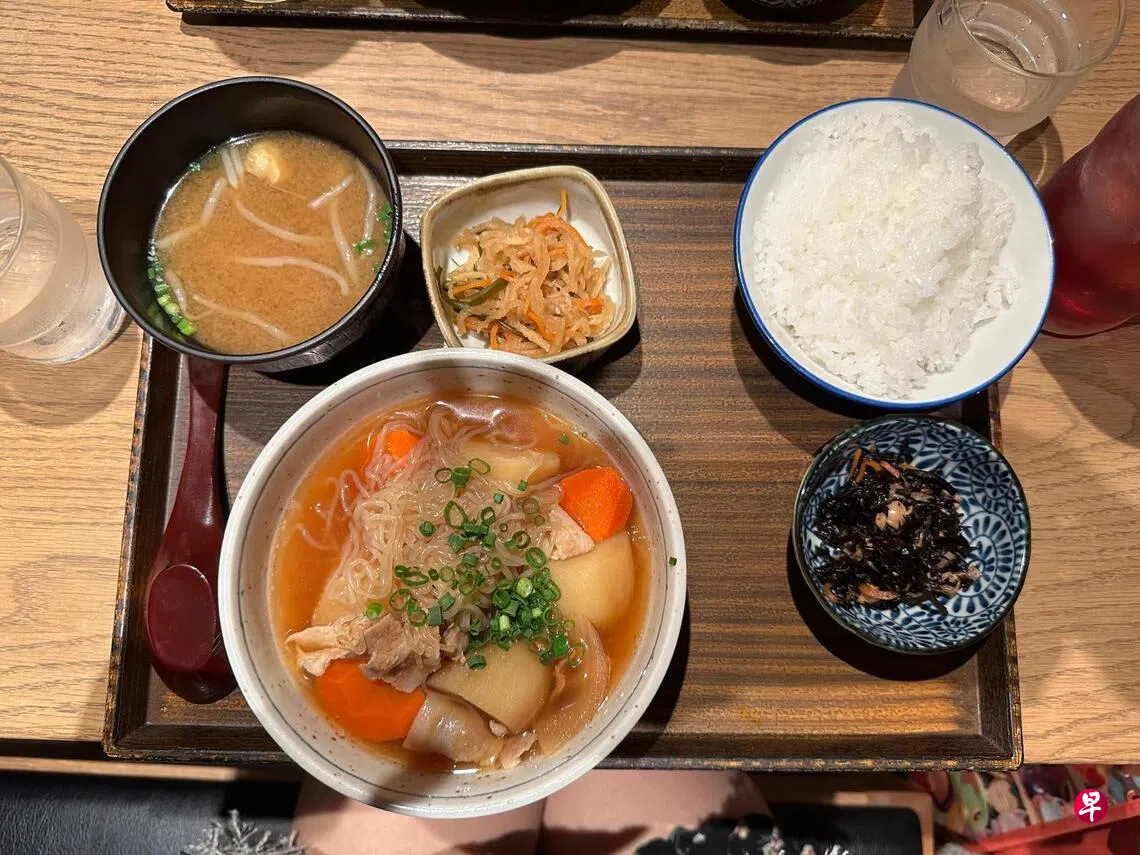
俞美恩的午餐和晚餐通常都会包含蔬菜,图中这餐的热汤里有胡萝卜,另外两道小菜则分别有白萝卜和羊栖菜(hijiki)。 (受访者提供)
facebook
twitter
wechat
whatsapp
telegram
email

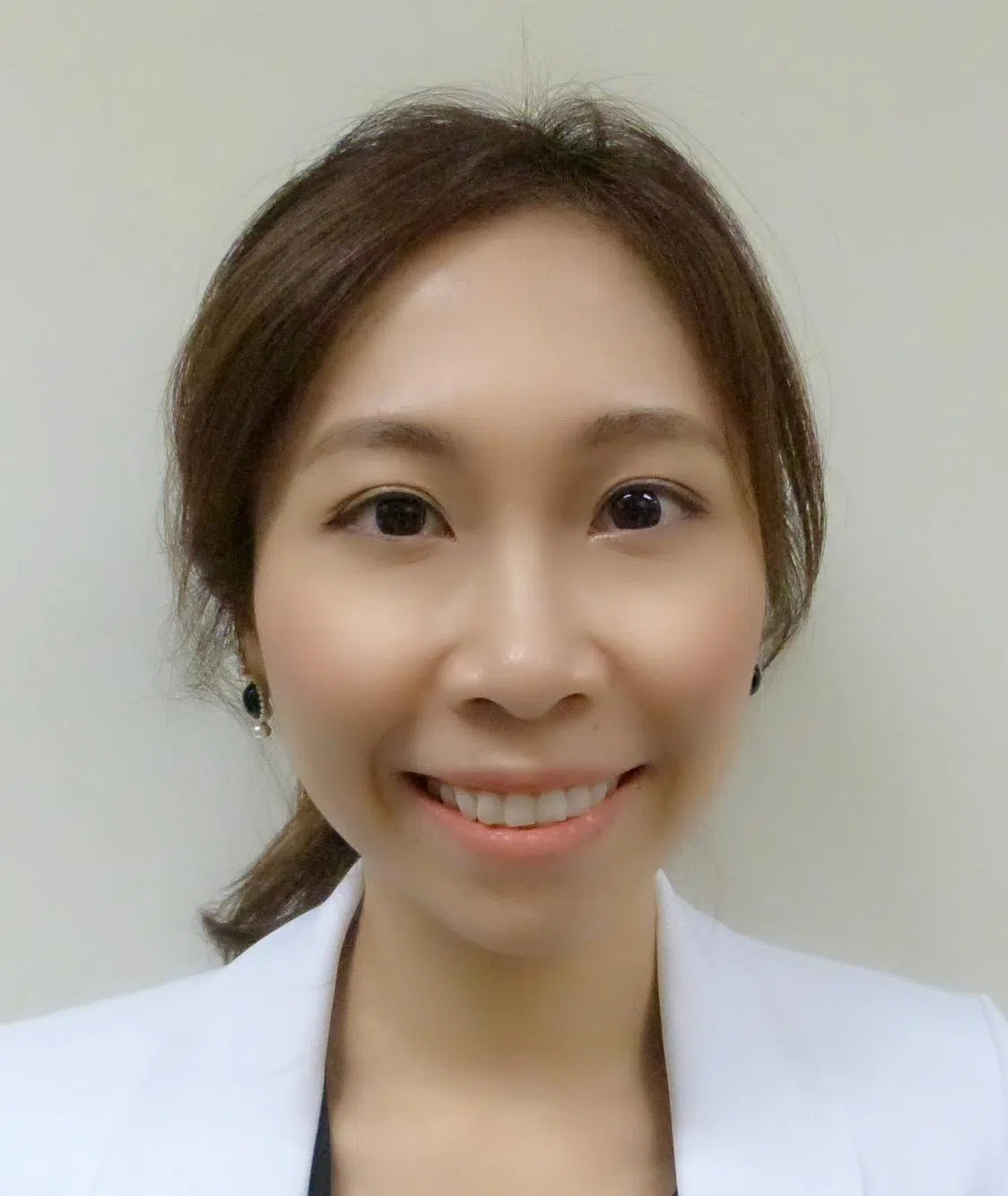
俞美恩(Jenette Yee)成为伊丽莎白诺维娜医院(Mount Elizabeth Novena)的首席营养师之前,曾在竹脚妇幼医院工作了九年。当时专攻新生儿营养学的她,是新生儿加护病房以及唇腭裂及颅颜外科中心(Cleft & Craniofacial Centre)的主要负责营养师,她也照顾有喂食困难或挑食问题的孩子。

俞美恩说,孩子需要均衡营养,不宜采取“高蛋白低碳水”饮食。(受访者提供)

如何帮助孩子培养良好的饮食习惯?她建议家长参考保健促进局的“我的健康餐盘”:四分之一餐盘为优质蛋白质;四分之一为全谷类;其余是蔬菜和水果。成人的建议餐盘尺寸为直径10英寸,孩童8英寸。

具体所需分量视年龄而定,我国官方保健网站HealthHub.sg提供了6个月大到18岁各阶段儿童或青少年所需的分量。例如:3到6岁儿童每天宜吃三至四个分量的糙米饭和全麦面包;7到12岁可吃五六个分量。所谓一个分量,可以是两片全麦面包(60克)、半碗糙米饭(100克)或两碗糙米粥(500克)。

俞美恩指出,有些家人误以为“高蛋白低碳水”的饮食适合儿童,其实不然。“适宜成人的餐食不一定适合孩童。儿童还在成长发育,营养必须均衡,其中包括碳水化合物、蛋白质、脂肪、维生素和矿物质。”

孩子没吃多少就说饱了,家长是否要求他们吃完?

家长不妨鼓励孩子继续吃,但孩子坚持不吃,也不要勉强他。不过,餐后不要马上给孩子吃点心,以免他们养成以点心取代正餐的习惯。正餐和点心(或牛奶)应间隔三小时。

孩子断奶后就可以和家人同桌用餐,家人以身作则,孩子便能通过观察他们用餐时的言行举止,从中学习正确的饮食习惯。

给家长传授过哪些饮食建议?

孩子需要健康、均衡的饮食,但家长不宜过于严苛。如果长期限制所谓的“不健康”饮食,结果可能弄巧成拙,导致孩子更喜欢这些被“禁止”的食物,甚至可能吃得更多。较理想的做法是教导孩子适可而止、酌量而食。这项原则必须贯彻始终,才能真正帮助孩子养成自我调节的能力。

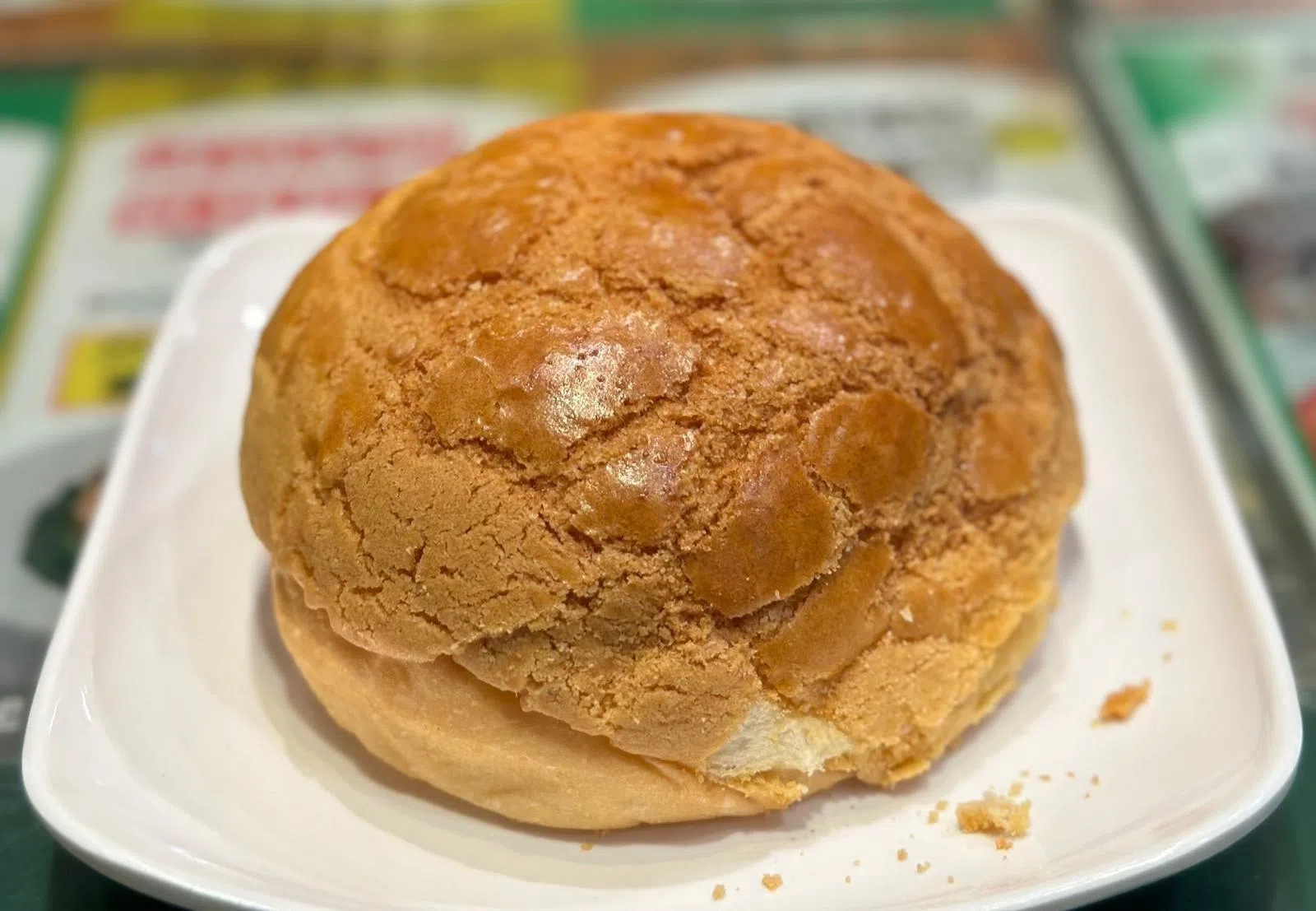
俞美恩习惯在早上吃面包如菠萝包。(受访者提供)

三餐一般吃些什么?

早餐:吃面包如菠萝包、红豆面包、法式吐司,或以切片面包搭配芝士或鸡蛋,饮料是少糖奶茶。

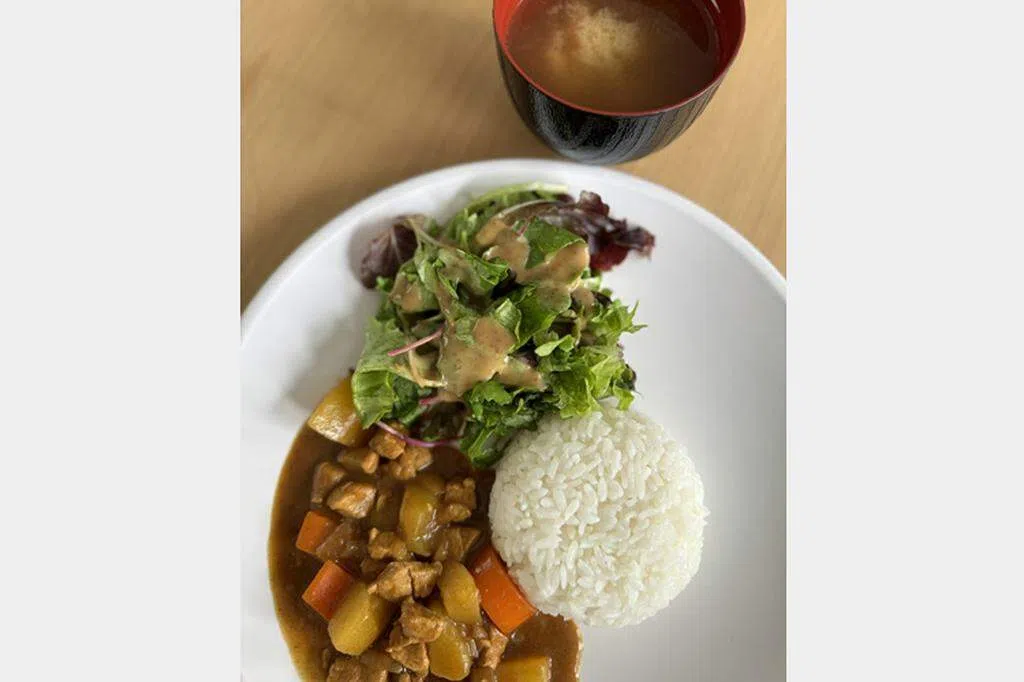
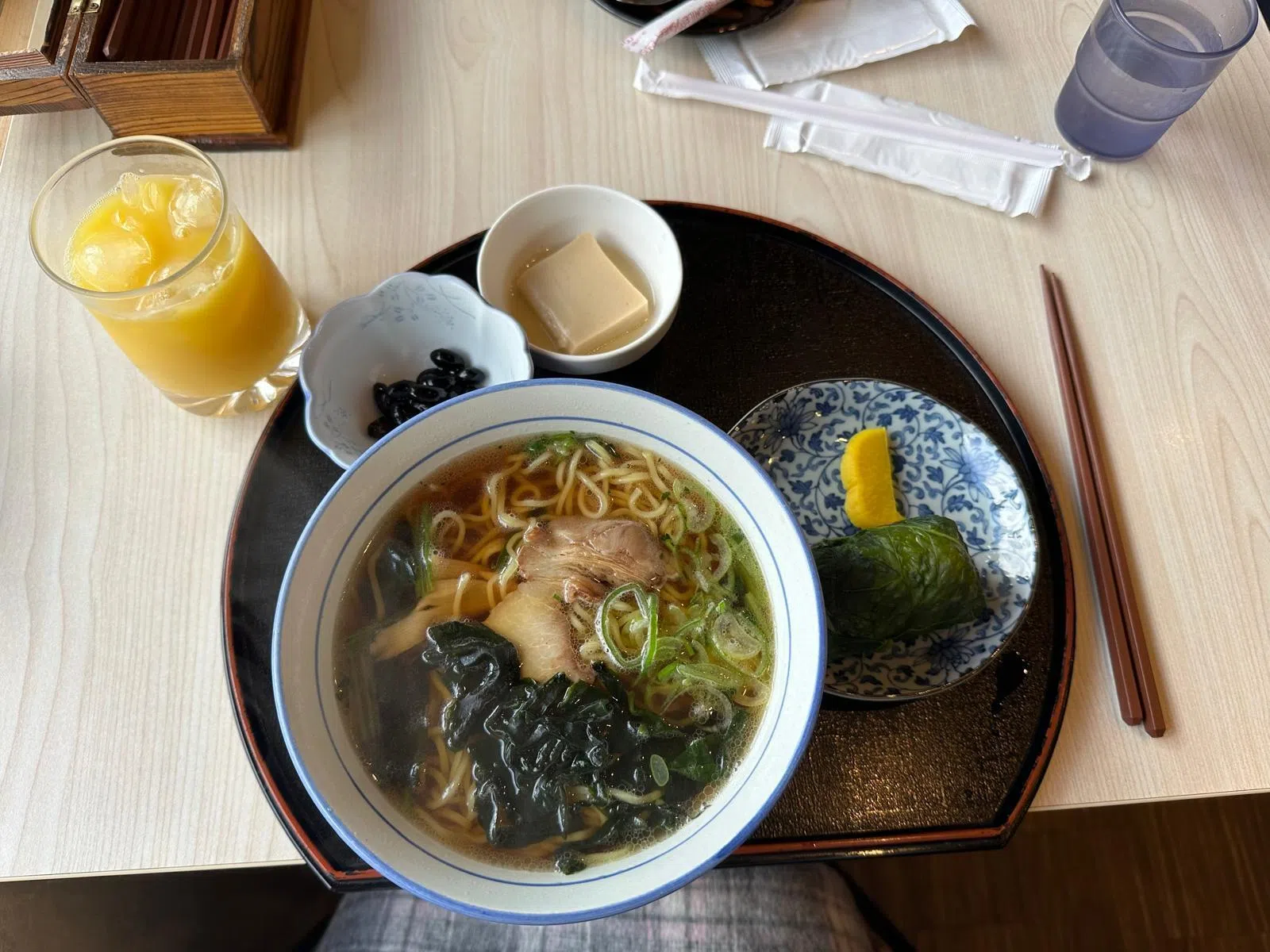
午餐:常吃面汤类,如手工面粉粿、拉面或鱼片面,或是番茄酱意大利面;意大利面的配菜可能是碎牛肉或蟹肉,以及西兰花或椰菜花。

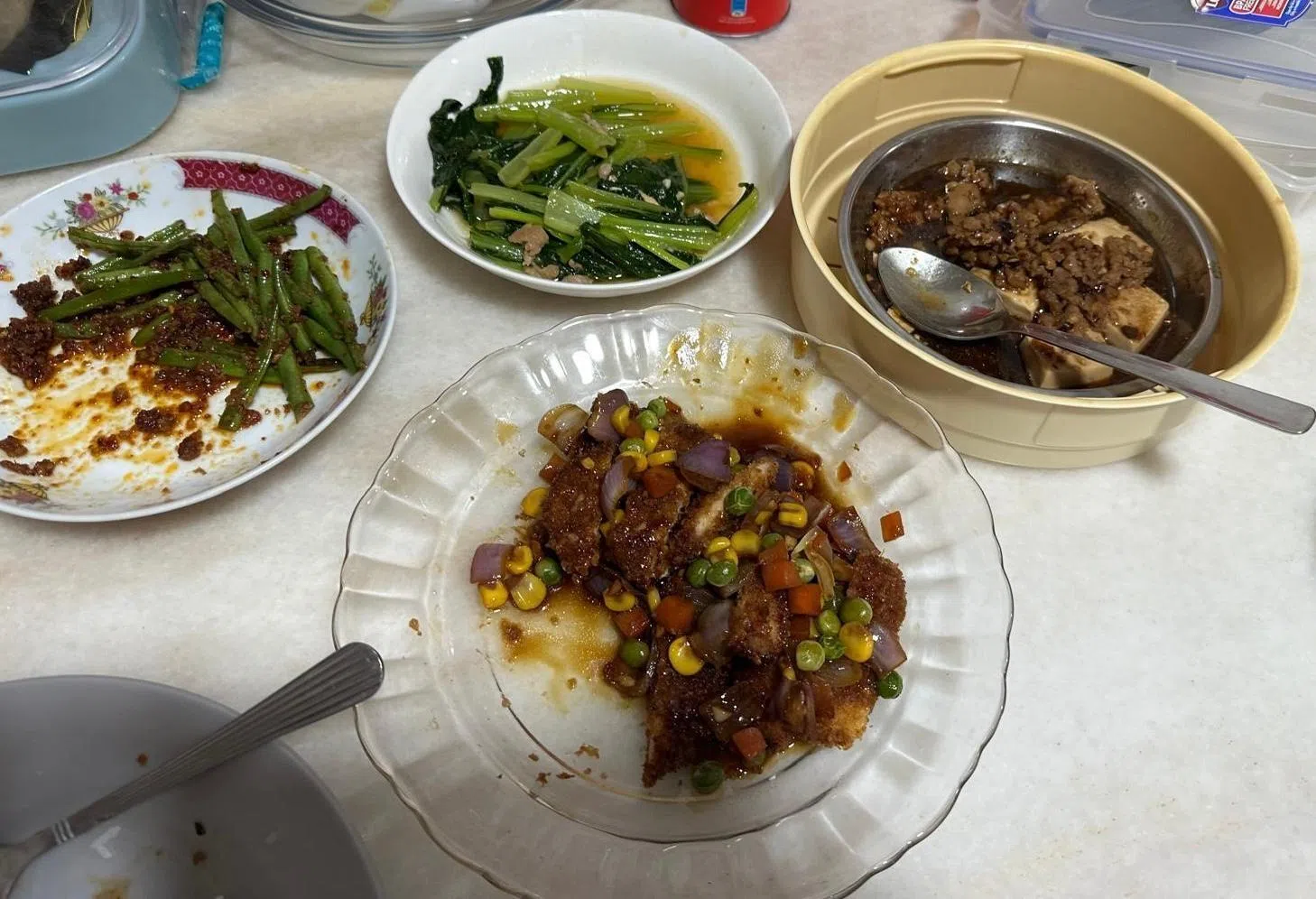
晚餐:一般在家吃妈妈煮的家常菜:白饭搭配蔬菜以及蛋白质来源,像是蒸鱼、煎鱼或焖鸡肉。

俞美恩最喜欢的料理是妈妈的家常菜,平日晚餐一般都在家吃。(受访者提供)

有时会吃夜宵,通常吃一片面包,上面涂芝士酱。

休息日则会起得晚一点,通常只吃两餐——早午餐(brunch)和晚餐,或许加一份点心。

哪些饮食让你难以抗拒?

泡泡茶。我大约每一两周会喝一次无糖或少糖的泡泡茶。

选择餐食时考虑什么?

开始工作后,我更加意识到饮食适可而止的重要,所以尽量保持营养均衡。

外出用餐时会考虑选择汤类,或是包含较多蔬菜的料理。

在外用餐时,俞美恩通常会选择汤类料理,但她不会把汤喝完。(受访者提供)

在家主要吃白饭与配菜,我最喜爱的料理是妈妈的家常菜,特别是她的炸云吞以及焖鸡肉与马铃薯。她一般是每一两周做一次煎炸料理如炸鸡肉饼。

Gift subscribe icon订户专享 赠阅文章
选择赠阅文章将生成赠阅链接,您本月的余额将减少一次。链接分享期限为 30 天。
  • Link to facebook
  • Link to twitter
  • Link to wechat
  • Link to whatsapp
  • Link to telegram
您之前已生成过这篇文章的赠阅链接,您本月的余额保持不变。了解更多

Friday, September 26, 2025

SPgroup Bills 2024 July to 2025 August

早安

早安 2025-09-26

临终课题知多少?不到三成国人懂得寻求慈怀疗护帮助


临终课题知多少?不到三成国人懂得寻求慈怀疗护帮助

https://www.zaobao.com.sg/news/singapore/story20250925-7571044?utm_source=android-share&utm_medium=app

2025-09-25


新加坡首个《生死素养指数》的调查结果显示,在规划临终护理和面对死亡时,只有约三成国人知道如何寻求有关医疗专员的帮助,为临终病患提供支持。

调查结果揭示新加坡人对规划临终和身后事的知识缺口,有助于新加坡慈怀理事会(Singapore Hospice Council)更具体地修订接下来的宣导计划和方针,包括推出一笔5万元补贴,供家庭医生和综合诊疗所医生接受慈怀疗护方面的培训。

新加坡慈怀理事会荣誉秘书余辉耀教授和执行董事沈美霞,以及淡马锡理工学院人文与社会科学院讲师徐秋森教授星期四(9月25日)公布《生死素养指数》(Death Literacy Index)的内容。这项指数衡量新加坡人应对临终选择的知识和能力水平,淡马锡理工学院受委收集和研究数据。

2024年11月至2025年4月期间,共有916人完成网上调查问卷,研究团队也另与171名年长者进行面对面询问。余辉耀透露,下一次调查最早或在三年后执行。

徐秋森说,指数总分为10分,新加坡人的整体生死素养为5.66分,属于中等水平。其中,国人在信息认知方面表现最差,仅获4.98分,代表人们对临终规划流程、法律、医疗体系等信息存在明显知识缺口。

延伸阅读

全国慈怀疗护见成效 更多病患回家走完人生路

新大调查:国人对临终规划意识提升 实际行动仍未跟上

例如,只有26.4%的调查对象知道有关在家中死亡的法律条例;仅26.8%懂得如何在邻里寻求慈怀疗护服务。

临终课题仍避忌 慈怀理事会以活动鼓励及早规划

沈美霞直言:“当亲人确诊不治之症时,你的情绪会大幅波动。所以你应趁现在有时间、理性的情况下开始搜集资料。我理解,新加坡人仍避忌临终课题,但这种心态应改变。”


对此,理事会打算调整官网上资源和宣导活动的形式,迎合不同年龄层的需求。比如在来临“活得精彩,走得自在”(Live Well. Leave Well)活动上,举办符合主题的密室逃脱游戏;建立“新加坡慈怀共护社群”(Compassionate Communities SG)让需要的人更容易在社区获取支援和关怀。

家庭医生等基层医疗护理提供者,将可通过“社区慈怀疗护网络”(Community Palliative Care Network,简称ComPaC),直接联系慈怀疗护专员,加强病患与医生之间的沟通。理事会也计划在2026年前推出培训与发展补贴。

Death Literacy Index Singapore: Fewer than one in 3 in Singapore knows how to support dying person: Study by hospice council


The lack of death literacy in Singapore highlights gaps in knowledge and skills that could affect individuals, families and caregivers.

======

Fewer than one in 3 in Singapore knows how to support dying person: Study by hospice council

Fewer than one in 3 in Singapore knows how to support dying person: Study by hospice council

 Get ST's newsletters delivered to your inbox

The lack of death literacy in Singapore highlights gaps in knowledge and skills that could affect individuals, families and caregivers.

The lack of death literacy in Singapore highlights gaps in knowledge and skills that could affect individuals, families and caregivers.

ST PHOTO: LIM YAOHUI

Follow topic:
  • Singapore's Death Literacy Index is 5.66, revealing gaps in end-of-life knowledge and skills, impacting families and the care system.
  • SHC will launch a grant for GPs to access palliative care training by 2026, enhancing their end-of-life support for patients.
  • The study found that two in five people report struggling to talk to a newly bereaved person, or to talk about death to a child.

AI generated

Published Sep 25, 2025, 06:35 PM

Updated Sep 26, 2025, 05:32 AM

SINGAPORE - Fewer than one in three people in Singapore knows how to navigate the healthcare system to support a dying person, and only one in four knows the regulations involved with dying at home.

These were among the findings of the Singapore Death Literacy Index study commissioned by the Singapore Hospice Council (SHC) and released on Sept 25.

The study also found that two in five people said they would struggle to talk to a newly bereaved person or to a child about death.

On their knowledge of hands-on care for the terminally ill, about half of the respondents were comfortable feeding a person, but only one in three said the same about bathing someone.

The lack of death literacy in Singapore highlights gaps in knowledge and skills that could affect individuals, families and caregivers, as well as the broader care system, as Singapore inches towards becoming a super-aged society, SHC said in a statement on Sept 25.

By 2026, Singapore will be a super-aged society, with more than one in five citizens aged 65 and above.

More than 1,000 people responded to the study, which was commissioned to measure how well people understand and are able to act on end-of-life and death care options.

Top stories

Swipe. Select. Stay informed.

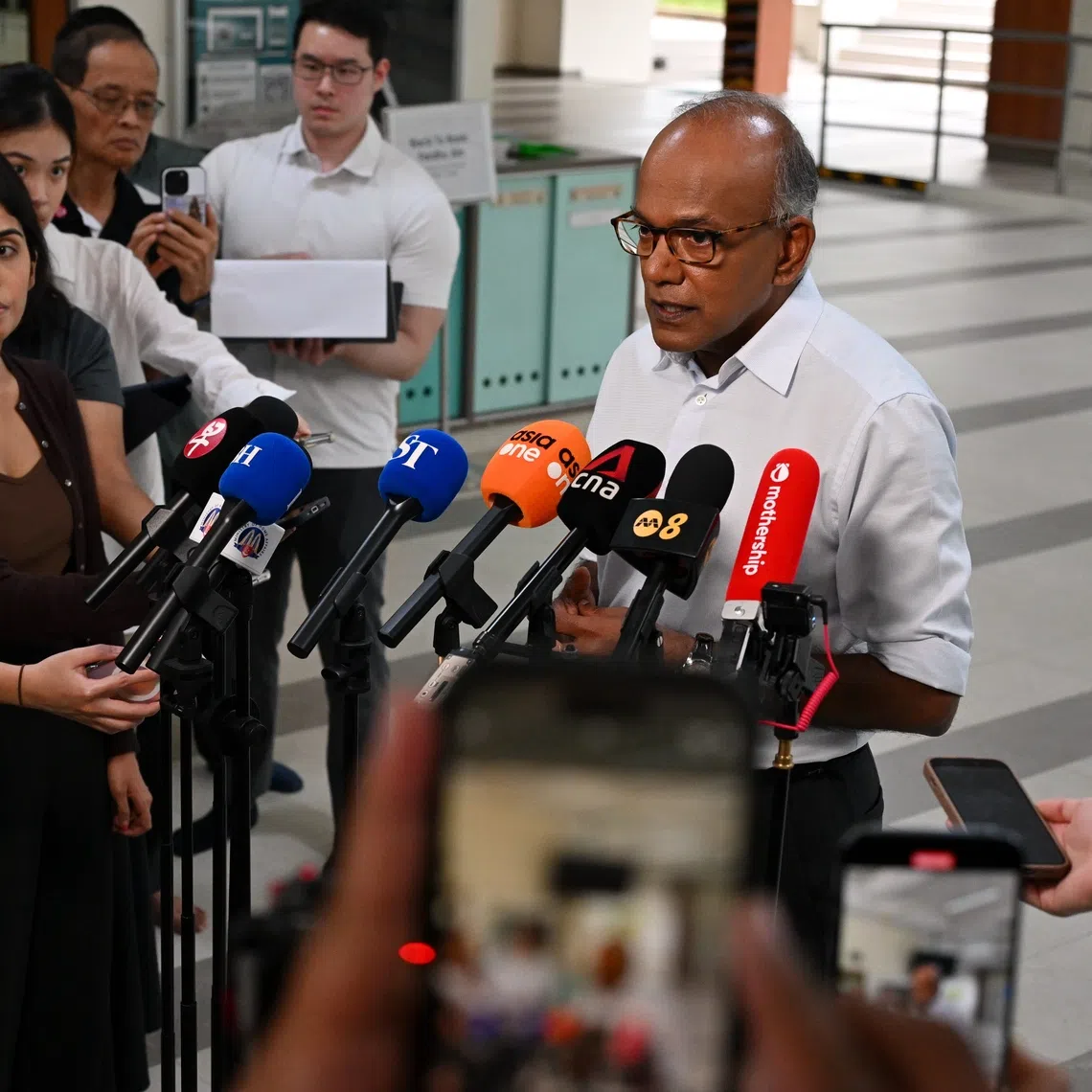
Home Affairs Minister K. Shanmugam stressed that targeting a place of worship is completely unacceptable, and Singapore has zero tolerance for such acts.

Singapore

Several mosques received suspicious parcels with meat; Shanmugam warns ‘this is playing with fire’
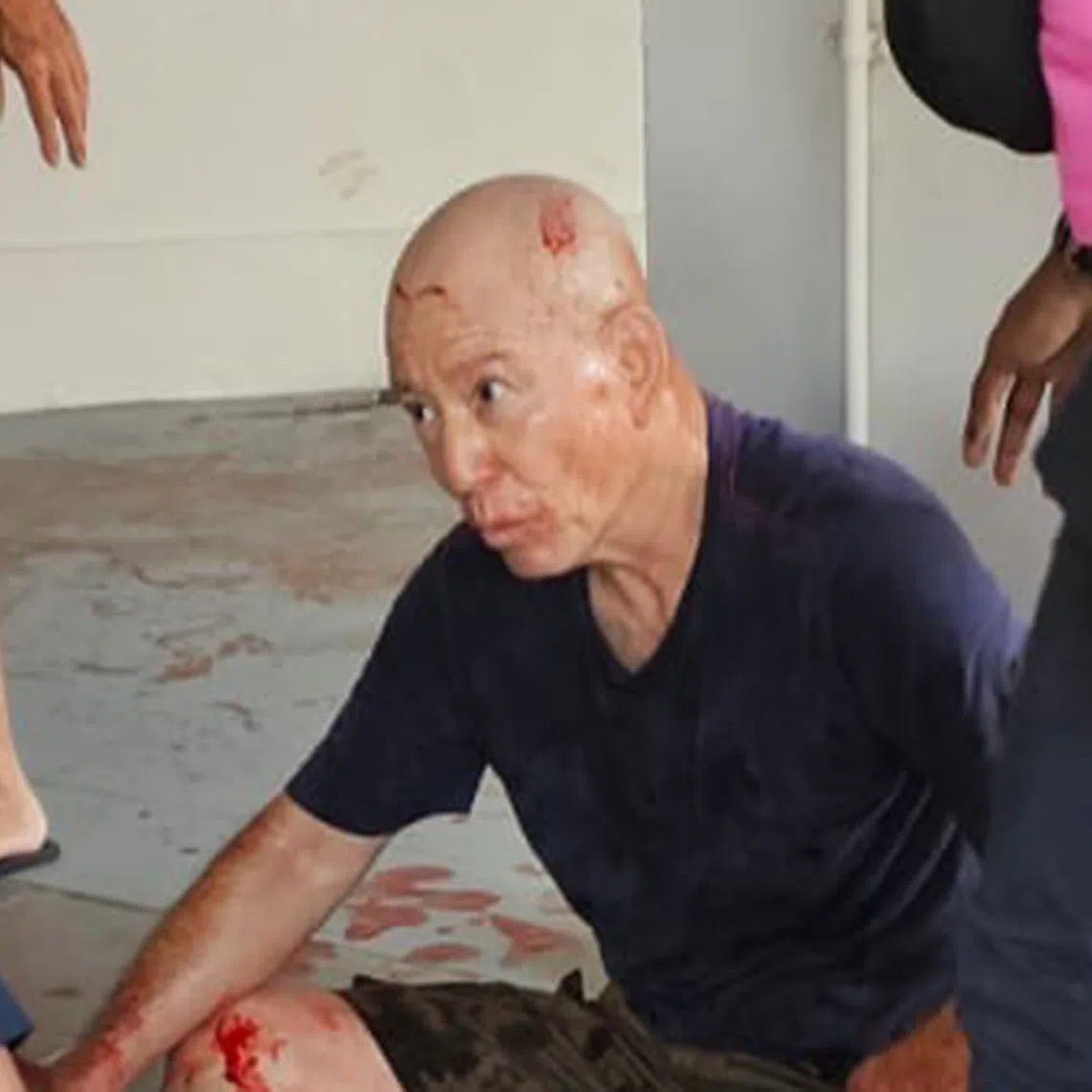
Koh Ah Hwee is accused of murdering the woman, a Vietnamese national, on Sept 24.

Singapore

Yishun knife attack: Neighbour charged with murdering mother of 2
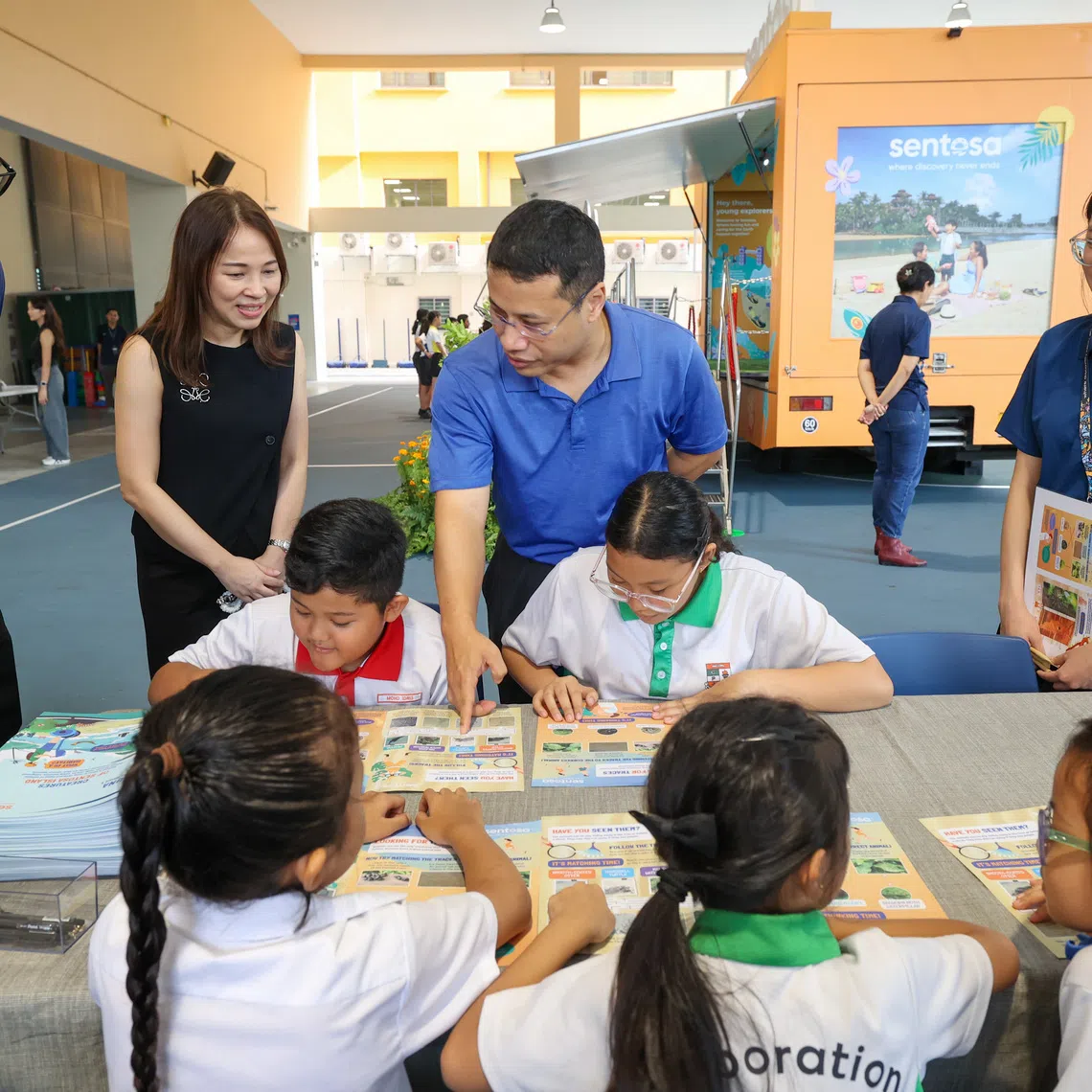
Education Minister Desmond Lee said Singapore’s society has not entirely moved away from seeing education as an arms race.

Singapore

Govt refreshing approach to tackling inequality, reforming education: Desmond Lee
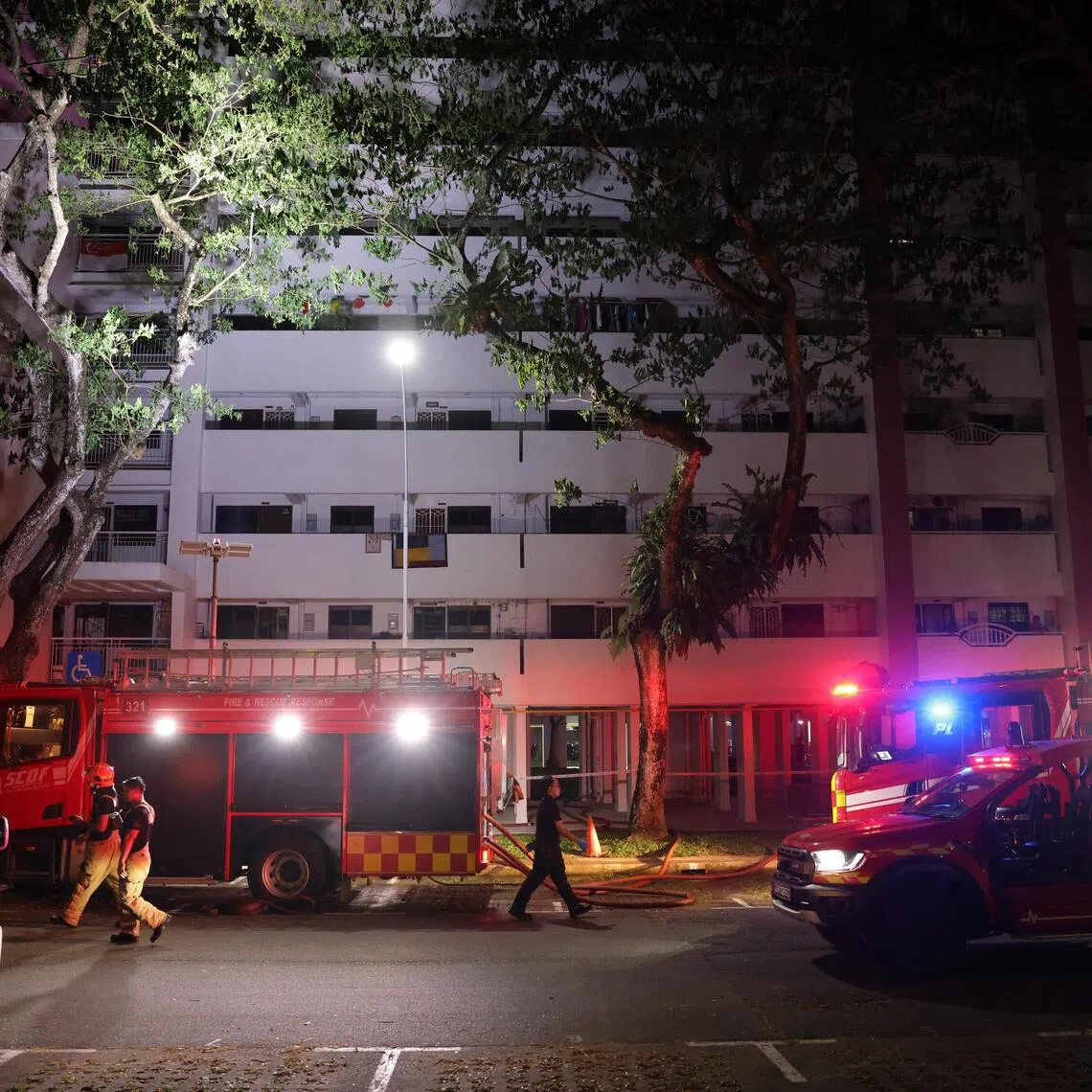
Fire engines and SCDF personnel are seen at Blk 510 Ang Mo Kio Avenue 8, on Sept 25, 2025.

Singapore

10 taken to hospital after Ang Mo Kio HDB block fire involving personal mobility aid; 90 evacuated
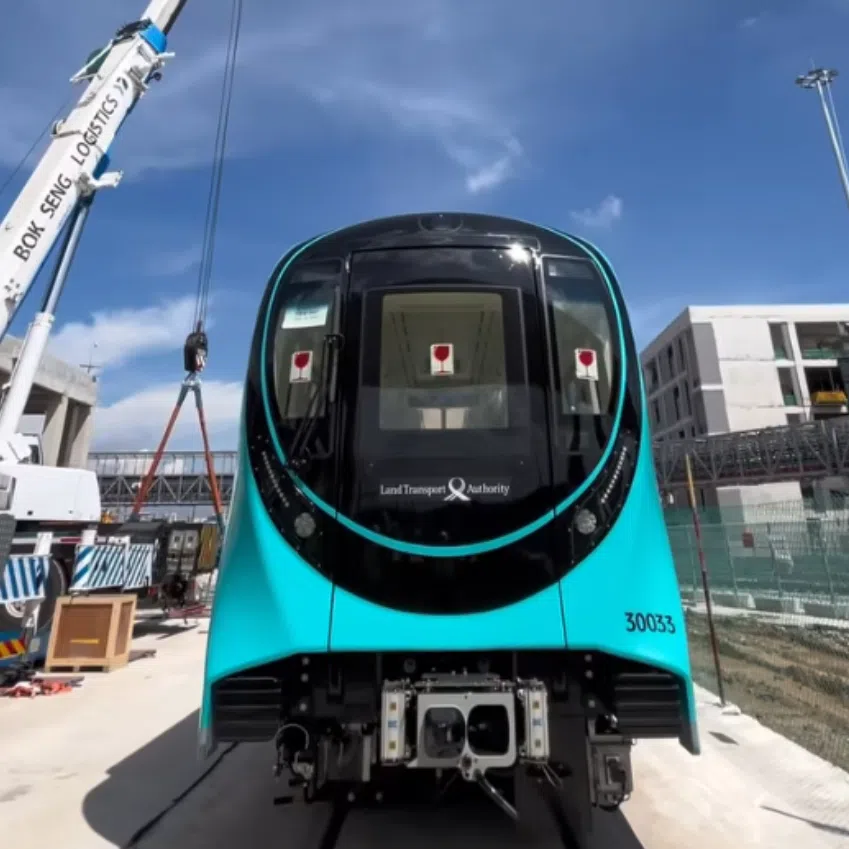
The sole train here will now be put through system integration tests at Tengah Depot to prepare it for service.

Singapore

First JRL train arrives in Singapore; has wider doors, smaller carriages: LTA

Singapore

Recap: Target resource gaps in enrichment, culture to address inequalities, say MPs in debate
(ST PHOTO: LIM YAOHUI)

Business

MAS to warn 5 content creators in S’pore who may have given financial advice without a licence

SHC also hopes to gain insights that can guide policymaking and inform better end-of-life planning in Singapore.

More than half of the respondents said they felt confident talking to a healthcare professional about support for a dying person.

To build on the important role that primary care providers can play in end-of-life conversations and care, SHC will start a $50,000 training and development grant for general practitioners to access palliative care training so they can better support patients.

SHC will also work with its member organisations to provide a structured palliative care training programme for GPs and polyclinic doctors by 2026.

It urged medical practitioners to join the Primary Care Palliative Champions Telegram channel, which provides a real-time line to palliative care specialists for text-based support.

Dr Mok Boon Rui, a GP, said the training and development grant and other resources will offer essential support for GPs like himself to foster important conversations and better support patients and their caregivers.

The Government has emphasised the importance of end-of-life planning in recent years, launching a nationwide campaign in July 2023 to raise awareness of legacy planning tools like lasting power of attorney (LPA), advance care plans, wills and Central Provident Fund nominations.

More than 350,000 Singaporeans have made their LPAs as at Aug 15. The document allows people to appoint a trusted person, usually a family member, to take charge of matters like personal welfare, property and finances if they lose mental capacity.

In the Death Literacy Index study carried out by Temasek Polytechnic, Singapore had an overall score of 5.66, indicating a moderate level of death literacy. The score takes into account respondents’ knowledge across areas such as accessing help, hands-on care and factual information.

Australia scored 4.7 in 2019, while the UK scored 4.76 in 2022.

Dr Wu Huei Yaw, honorary secretary of SHC, said: “As doctors, we see first-hand how families struggle when conversations about death are delayed or avoided.

“Improving death literacy would help patients and families make informed end-of-life decisions, ease emotional burden and allow care to be more aligned with their wishes.”

Syarafana Shafeeq is a social affairs journalist at The Straits Times.

Read the full story and more

Want more exclusives, sharp insights into what’s happening at home and abroad? Subscribe now.

ST One Digital Plan
Monthly Recurring
No lock-in contract

    Enjoy these subscriber benefits

  • Access all subscriber-only content on ST app and straitstimes.com
  • Easy access any time via ST app on one mobile device.
  • E-paper with 2-week archive so you won’t miss out on content that matters to you
See more on
Download the app
Get unlimited access to exclusive stories and incisive insights from the ST newsroom
MDDI (P) 048/10/2024. Published by SPH Media Limited, Co. Regn. No.202120748H. Copyright © 2025 SPH Media Limited. All rights reserved.