

SINGAPORE - A key predictor of how well a person in Singapore will age is whether he has a sense of agency, which is the belief that he continues to shape the course of his life, a new study released on Nov 21 has found.
Older adults who have this belief tend to stay connected with others, feel greater satisfaction, and continue to do things that give them purpose. In contrast, those who feel their choices no longer count are not always physically frail, but age more poorly as they lose motivation, confidence and relationships.
This was one of the findings from the Singapore chapter of an inaugural multi-region study by the Intercontinental Alliance for Integrated Care (IAIC) on what it means to age well across different cultures.
The IAIC is an initiative launched in 2024 by the Singapore University of Social Sciences (SUSS), alongside a dozen other universities across Asia, North America and Europe.
It aims to advance holistic patient-centred solutions that address the complex needs of ageing populations around the world.
The study involved researchers in Canada, China, Hong Kong, Singapore and the UK conducting surveys using a shared framework and guided by common research questions, with the aim of understanding how older adults across the different societies understand ageing.
The Singapore portion involved about 1,000 survey respondents categorised into three age brackets: 55 to 64, 65 to 74, and 75 and above. This was supplemented by 15 qualitative interviews to understand respondents’ lived experiences and coping patterns.
Across all five settings, the universal themes that emerged were a strong desire among older adults to preserve their autonomy, maintain meaningful relationships and continue to contribute to family and community life, said the report.
Besides the importance of agency in protecting against physical decline, the Singapore study found significant differences in the way men and women here age.
Men’s identities are often tied to work and they face a higher risk of social isolation after retirement, while women tend to stay connected through caregiving, religious groups and neighbourhood networks.
The findings were most distinct among respondents in the 75 to 84 age group, with women in that bracket having a significantly more positive perception of their family relationships than the men.
The study also found that for some seniors in Singapore, work does not end as they get older, but changes to become more about remaining purposeful, and to provide structure to their days.
These findings call for structures that preserve people’s independence, recognise differences in needs between the genders, and support gradual retirement, added the study.
For instance, policies should promote financial security and encourage people to plan ahead for their future care needs.
As men often respond better to hands-on and practical forms of engagement such as repairing equipment, facilitating exercise groups or supporting community operations, there should be more of such opportunities.
A phased approach that allows older workers to reduce their hours over time while shifting responsibilities to mentoring and advising also helps protect their sense of agency, it added.
SUSS vice-president of strategic partnership and engagement Justina Tan said it is important to shift the perception of seniors from being beneficiaries to being contributors to society, such as in mentorship and community engagement activities.
This can be done in active ageing centres and grassroots, religious and neighbourhood organisations, where programmes can be adjusted from a participation model, where seniors are invited to attend, to an “authorship” model, where they have a say, said Associate Professor Tan, who is the principal investigator for the Singapore study.
Speaking at the IAIC’s gala dinner at Conrad Hotel on Nov 21, SUSS president Tan Tai Yong said integrated care systems must be flexible, inclusive and deeply human, and recognise that dignity, belonging and purpose are as vital as treatment and recovery.
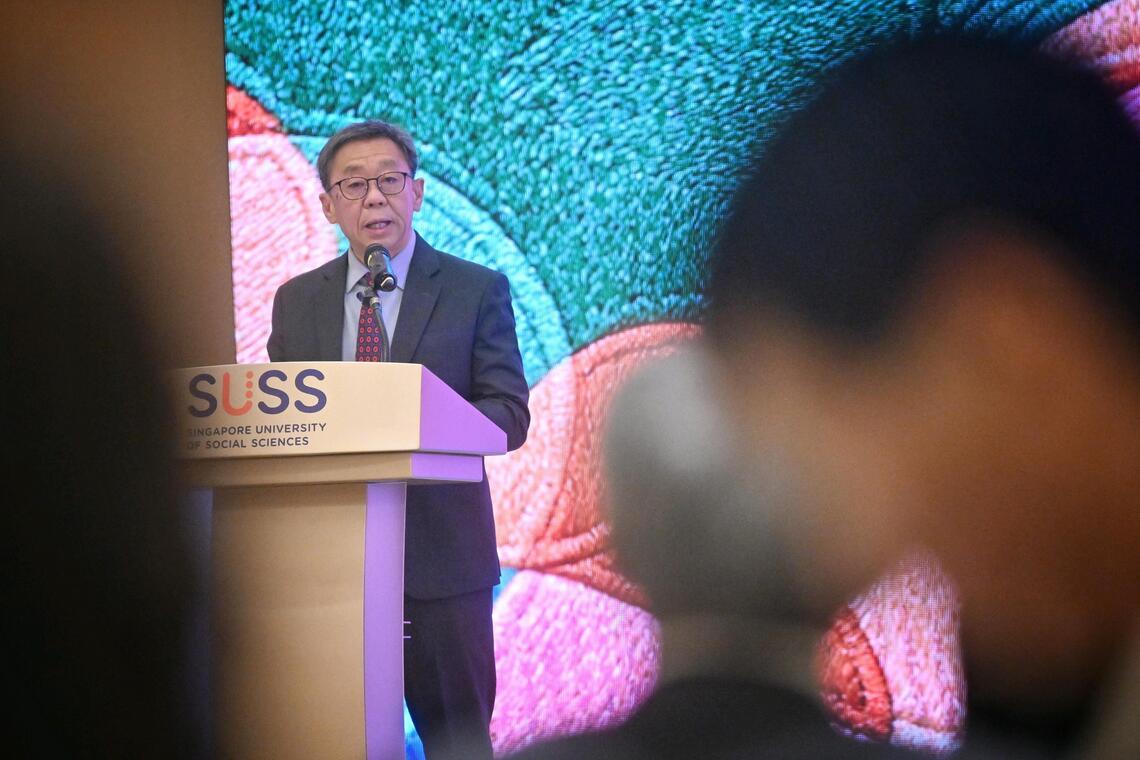
He said the study will continue to generate valuable data and insights over time, and marks the start of an ongoing endeavour that will grow in scale and impact.
SUSS said that following the study’s launch, IAIC partners will move into the implementation phase, where each country will adapt the insights into pilot initiatives within their local care systems.
The alliance announced on Nov 21 that it had added seven new partners in 2025, including universities in Estonia, Japan, Malaysia and South Korea. New members of the IAIC will undertake the same study in 2026 and release their findings progressively, which will strengthen cross-regional learning over time.
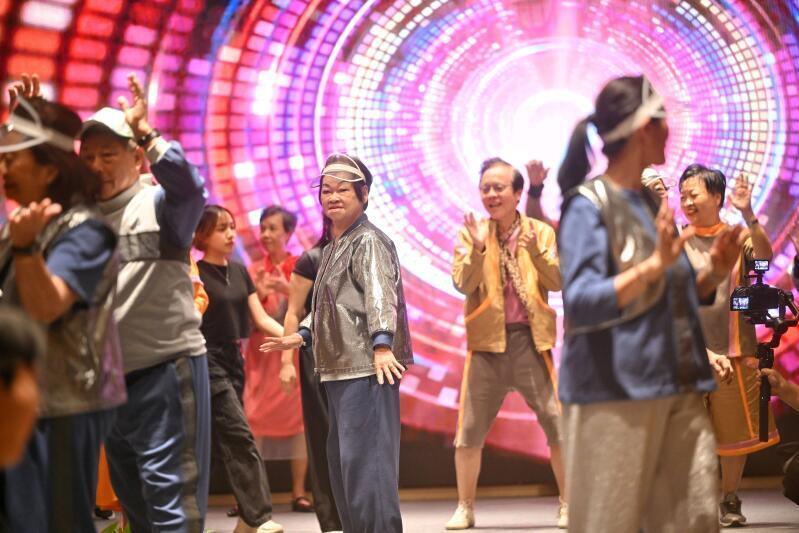
At the event, SUSS also signed two agreements with Presbyterian Community Social Services and Singapore Hospice Council. The partnerships will allow for pilot projects and workforce development in integrated care, and is aimed at advancing applied research to better serve community needs.
SUSS chancellor Halimah Yacob, former president of Singapore, was guest of honour at the gala dinner.
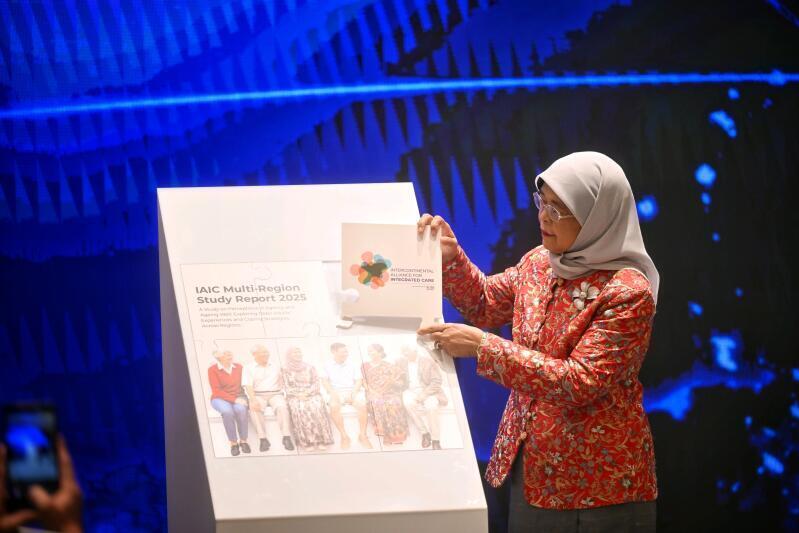
In a speech, she noted that the challenge of ageing will test every society’s capacity for compassion, creativity and courage, while also offering a profound opportunity to redefine what it means to live and age well.
“Let us continue this journey together to create a society where ageing is celebrated... where we integrate care to focus more on how we can enhance the health span of people, and how we can ensure that every person can live with dignity, connection and purpose,” she said.
- Chin Soo Fang is senior correspondent at The Straits Times, covering a wide range of topics including community, politics, social issues, consumer, culture and heritage.


 Posts
Posts


No comments:
Post a Comment