Wednesday, June 24, 2026

Why Has the Immigration Issue Become a Social Fault Line?

Why Has the Immigration Issue Become a Social Fault Line?

For subscribers only

Translated by ChatGPT 

https://www.zaobao.com.sg/forum/views/story20260623-9250469?utm_source=android-share&utm_medium=app 

2026-06-23

Lianhe Zaobao

By Goh Choon Kang 

The author is a former journalist and former Member of Parliament.

=====

“Having experienced the bitter consequences of racial bloodshed during the period of merger with Malaysia, the Singapore government is highly sensitive to racial issues. It will certainly remain vigilant at all times to prevent racial harmony from being undermined, and will not allow the immigration issue to ferment and evolve into a social fault line.”

=====

=====

“......According to data from the Department of Statistics, the racial composition of the citizen population remained stable up to last year. The three major ethnic groups were: Chinese 75.5%, Malays 15.1%, and Indians 7.5%.”

=====


Recently, outsiders attempted to exploit the issue of Indian immigrants to stir up racial sentiments in Singapore, drawing close attention from the Ministry of Home Affairs. On June 6, the police announced that they had invoked the Protection from Online Criminal Harms Act to issue 14 blocking directions to social media platforms YouTube, Facebook, and X, requiring these platforms to take all reasonable measures to block the relevant content from Singapore users.

A few days later, on June 11, Coordinating Minister for Social Policies and Minister for Health Ong Ye Kung attended the 31st Nikkei Forum “Future of Asia” in Tokyo and delivered a speech titled “Whither Globalization?”, outlining his observations on the current state and future development of globalization. One of the key issues highlighted in his speech was the immigration challenge faced by countries around the world.

He pointed out that one of the most worrying phenomena today is the growing anti-immigration sentiment. As national borders become more open, people’s initial tolerance and acceptance of newcomers may gradually give way to feelings of being replaced or marginalized, breeding resentment. This also explains the rise of nationalist and anti-immigration parties in many countries in recent years.

During the question-and-answer session, in response to a question from moderator Fumika Sato, Singapore Bureau Chief of Nikkei, Ong Ye Kung further observed that the relationship between locals and newcomers is likely to become the principal social fault line and political divide in many societies in the future.

Singapore itself is an immigrant society. Our forebears came from all corners of the world and eventually settled here. Today, because of economic development needs and a steadily declining fertility rate, Singapore relies on a measured intake of immigrants to compensate for shortages in population and manpower. As such, we cannot avoid dealing with immigration issues.

Immigration Issues Differ from Country to Country

Immigration can be regarded as one of the major issues arising from globalization. However, what people commonly perceive as immigration problems are not necessarily caused solely by globalization. Immigration issues vary from country to country. While there are common elements, each also has its own unique characteristics. Population movement around the world is influenced not only by globalization but also by factors such as modern transportation, wars, poverty, and border controls. Since countries face different circumstances and governments adopt different approaches, the nature of the problems also differs.

The overall trend is that people from less developed, poorer, and conflict-ridden regions move to developed countries, through both legal and illegal means. While legal immigrants can create challenges for host countries—such as difficulties integrating due to language, cultural, or religious differences—the problems associated with illegal immigrants are even greater. The United States and developed European economies all face issues with illegal immigration, while some European countries also contend with refugees fleeing wars in North Africa and the Middle East. As a result, these issues are complex and difficult to resolve, often evolving into political problems and creating serious social tensions.

Leaving aside illegal immigrants and refugees for now, let us focus on the challenges that legal immigration presents to governments. Simply put, countries bring in immigrants primarily to support economic development and make up for population shortages. A curious but widespread phenomenon is that as a country becomes more economically developed, its fertility rate tends to decline, often falling below replacement level. Singapore is no exception. Consequently, immigrants must be brought in to fill the gap. Furthermore, when a country reaches a certain level of economic development, most people no longer wish to perform manual labor, making the importation of foreign workers necessary. Almost all developed economies face this reality.

Generally speaking, there are two categories of immigrants brought in through legal channels: those who can settle permanently and those who are temporary foreign workers. During the era when Western industrial nations such as the Group of Seven (G7) dominated the global economy, large numbers of immigrants flowed into these countries from poorer and less developed regions. Yet this did not create major problems because immigrants largely filled labor shortages rather than taking jobs away from locals.

Immigration tends to become an issue when the host country’s economy encounters problems first. When economic growth slows and workers’ real incomes fail to keep pace with inflation, dissatisfaction naturally grows. In the cases of the United States and Europe, globalization is closely linked to this development. These industrialized countries shifted their production lines to Third World countries with lower wages and production costs, resulting in many domestic workers losing their jobs.

Opportunistic politicians are then quick to exploit nationalist sentiments, blaming immigrants for the problems rather than addressing the root causes through economic and fiscal reforms. From this perspective, immigrants become victims of populist politics. In Britain, immigration was portrayed as the chief culprit behind virtually every economic problem and even became one of the main justifications for Brexit. Populist politicians created the false impression that leaving the European Union and controlling immigration would instantly cure Britain’s ailments. Events have proven this assumption to be seriously mistaken.

In the United States, there is little doubt that anti-immigration sentiment helped Donald Trump return to the White House. Yet one reason for America’s strength is its ability to continually attract outstanding talent from around the world. Many of the dirty and labor-intensive jobs that Americans are unwilling to do are in fact performed by immigrants, including many undocumented ones. Nevertheless, for populist politicians, immigrants are convenient scapegoats. At the same time, we must acknowledge that poor government handling of immigration can also trigger backlash. For example, during Angela Merkel’s tenure, Germany accepted more than a million migrants in a short period, mainly refugees from Iraq, Syria, and other conflict zones in the Middle East. In Britain, the government even housed refugees in hotels.

Today, right-wing populist politicians are gaining influence. Britain has Nigel Paul Farage, leader of Reform UK; France has Marine Le Pen, leader of the far-right National Rally; and Australia has Pauline Hanson, leader of One Nation. Of course, the most prominent anti-immigration populist politician is U.S. President Donald Trump. Against the backdrop of populist politics, it is hardly surprising that immigration has evolved into a social fault line.

Singapore’s Immigration Policy Is Tightly Controlled

Singapore’s immigration policy and controls are highly stringent. In admitting new immigrants, great emphasis is placed on integration and the cultivation of a Singaporean identity, while preventing any one group from forming an ethnic enclave. The government is also careful to preserve Singapore’s existing multiracial composition when accepting new immigrants. Therefore, the notion of Singapore becoming “Indiapore” is pure fantasy.

According to official statistics, Singapore grants citizenship to about 20,000 people and permanent residency to about 30,000 people each year. Around 65% of new citizens come from various Southeast Asian countries. According to data from the Department of Statistics, the racial composition of the citizen population remained stable up to last year. The three major ethnic groups were: Chinese 75.5%, Malays 15.1%, and Indians 7.5%.

As for foreign labor, classification and regulation are also very strict. Of the more than one million foreign workers in Singapore, about 75% hold short-term Work Permits, generally valid for two years. These are blue-collar, non-skilled workers employed in sectors such as construction, ship repair, and healthcare. This group also includes approximately 300,000 foreign domestic workers, mainly from Indonesia, the Philippines, and Myanmar. Workers performing various forms of manual labor come chiefly from Bangladesh, India, China, Myanmar, and Thailand. Without these hardworking individuals, our economy would struggle to function smoothly.

Professionals, managers, executives, and technicians may apply for Employment Passes and S Passes, and generally work in specialized fields such as finance. The minimum salary requirement for an S Pass is S$3,150 per month (or at least S$3,650 in the financial sector), while the threshold for an Employment Pass is higher, starting at S$5,600 per month. The requirements are even higher for older applicants and those in the financial sector. According to Ministry of Manpower data, there are currently about 203,000 Employment Pass holders and about 178,000 S Pass holders.

Although their numbers are far smaller than those holding Work Permits, they are more sensitive from a social perspective because local job seekers often regard them as competitors in the labor market. If people of the same ethnicity become highly concentrated in a particular industry, it is even more likely to trigger public sensitivities. This situation did occur in the financial and banking sectors, particularly within information technology (IT) departments. It was also the broader context behind the intense parliamentary debates over the Singapore–India Comprehensive Economic Cooperation Agreement (CECA). The authorities have undoubtedly learned valuable lessons from the experience and have repeatedly affirmed their commitment to maintaining a Singaporean core in the workforce.

Having experienced the bitter consequences of racial bloodshed during the period of merger with Malaysia, the Singapore government is highly sensitive to racial issues. It will certainly remain vigilant at all times to prevent racial harmony from being undermined, and will not allow the immigration issue to ferment and evolve into a social fault line. Nevertheless, as an open society, Singapore must remain constantly alert and strengthen both internal and external safeguards. Internally, it must guard against populist politicians seeking attention through sensationalism; externally, it must guard against deliberate attempts to sow division and subversion.

The author is a former journalist and former Member of Parliament.

吴俊刚:移民问题何以变成社会断层线

吴俊刚:移民问题何以变成社会断层线?

供订户阅读

https://www.zaobao.com.sg/forum/views/story20260623-9250469?utm_source=android-share&utm_medium=app

2026-06-23


=====
“由于在加入马来西亚期间,尝过种族流血冲突的苦头,新加坡政府对种族课题高度敏感,肯定会时刻警惕,防止种族和谐受到破坏,更不会让移民问题有机会发酵和演变成社会断层线。”
=====
=====
“......据统计局数据,到去年为止,公民人口的种族比率保持稳定,三大种族依次为:华族占75.5%,马来族15.1%,印度族7.5%。”
=====

  最近,有外人试图利用印度移民课题煽动我国的种族情绪,这引起内政部的密切关注。6月6日,警方宣布已援引《网络犯罪危害法令》,向社媒平台YouTube、脸书和X发出14项屏蔽指示,要求这些平台采取一切合理措施,对新加坡用户屏蔽相关内容。

  在几天后的6月11日,社会政策统筹部长兼保健卫生部长王乙康,应邀出席在东京举行的第31届日经论坛“亚洲的未来”,并以《全球化何去何从?》为题发表演讲,阐述他对全球化现状与未来发展的观察,其中所凸显的课题之一,正是世界各国所面对的移民课题。

  他指出,当前最令人担忧的现象,是反移民情绪不断升温。当国家边界变得更加开放,人们原本对外来者的包容与接纳,可能逐渐变为感觉自己被取代、被排斥,并心生怨愤。这也是民族主义和反移民政党近年来在许多国家崛起的原因。

  问答环节中,在回答主持人、《日经新闻》新加坡分社社长佐藤史佳提问时,王乙康进一步指出,本地人与外来者之间的关系,未来很可能成为许多社会最主要的社会断层线和政治分歧。

  新加坡本就是个移民社会,我们的祖辈来自四海,最后在这里安身立命。现在,新加坡由于经济发展的需要以及人口整体生育率每况愈下,有赖适当引进移民以弥补人口和劳动力的不足。因此,我们也回避不了移民问题。

各国移民问题性质各异

  移民问题可说是全球化衍生的主要问题之一。但一般人认知中的移民问题却未必全因全球化。不同国家的移民问题也不尽相同,虽有共同性,也都有特殊性。世界人口的流动,除了全球化,也涉及现代交通的便利、战乱、贫穷、边境管制等因素。各国的实际情况有别,政府处理问题的方式也不尽相同,因此问题的性质各异。

  总的趋势是,不发达国家和贫穷又动乱地区的人口,向发达国家流动和迁移,包括通过合法与非法途径。合法移民固然会给收容国带来问题(如因语言文化宗教等因素而难与当地社会融合),非法移民的问题却更多。美国和欧洲发达经济体都面对非法移民(偷渡)问题,一些欧洲国家还有来自北非和中东的战争难民问题。因此,问题复杂棘手,难有简单的解决方案,也都演变成政治问题和形成严重的社会矛盾。

  这里暂且撇开非法移民和难民不谈,只聊聊合法移民给各国政府带来的难题。简单说,一个国家之所以会引进移民,主要是为了经济发展和弥补本土人口不足的需要。一个很奇怪而普遍的现象是,当一个国家的经济发达之后,人口的生育率就会逐渐下降,而且往往跌到替代水平以下。新加坡也不例外。因此,不得不引进移民填补不足。其次,当一个国家的经济发展到一个程度之后,多数人就不想再干劳力活,因而也只得引进外劳。几乎所有发达经济体都是如此。

  一般来说,经由合法途径引进的移民有两类,可以落地生根的移民和只能短期逗留的外来劳动力。在西方工业国( 如七国集团(G7))引领风骚的年代,大量移民都从较贫困和落后的国家或地区流入它们境内,结果并没有引起什么大问题。这主要是因为移民其实补上这些国家的劳动力缺口,并没有抢走当地人饭碗。

  移民成为问题,往往是所在国的经济先出现问题。经济发展不顺畅,工人实际收入赶不上通货膨胀,不满情绪自然滋生。美欧等国的情况,和全球化就有比较密切的关系。因为这些工业国因利乘便,把生产线都转移到工资和其他生产成本更廉宜的第三世界国家,让许多本国工人丢失饭碗。

  然后,投机政客很快会借此鼓动民族情绪,把问题都归咎于移民,而不是从根本入手,设法改善经济和国家财政。从这个角度看,移民其实是成为了民粹政治的牺牲品。英国就因移民被炒作成所有经济问题的罪魁祸首,甚至成了英国必须脱欧的主要理由之一。民粹政客给民众造成的错误印象是只要脱欧、管控移民,“英国病”就能瞬间痊愈。事实证明大错特错。

  在美国,毫无疑问,反移民情绪帮助特朗普重返白宫。但实际上,美国的强大,原因之一是它能不断吸纳来自世界各地的优秀人才。很多美国人不干的脏活和劳力活,其实也都靠移民在干,当中就不乏非法移民。然而,对民粹政客而言,移民是可以信手拈来的替罪羊。当然,我们也必须看到政府对移民问题处理不当产生的反弹。比如,德国在默克尔执政期间,竟然一口气收容超过百万移民(主要是中东战火导致的大批伊拉克、叙利亚等地难民),英国政府竟然把难民安置到酒店里等等。

  现在,右翼民粹政客大行其道,英国有法拉奇(Nigel Paul Farage,改革党党魁),法国有勒庞(Marine Le Pen,极右翼政党国民联盟领袖),澳大利亚则有汉森(Pauline Hanson, 一国党党魁)。当然,最知名的反移民民粹政客是美国总统特朗普。在民粹政治搅动下,移民问题演变成社会断层线并不奇怪。

新加坡移民政策管制严密

  新加坡的移民政策和对移民的管制是相当严密的。在吸纳新移民方面,特别注重融合,形塑新加坡身份认同,不让某个人群形成族裔飞地(enclave)。在吸纳新移民时,政府也非常谨慎照顾到新加坡原有的多元种族构成,因此,出现“印加坡”纯属天方夜谭。据官方统计,我国每年平均引进约2万名新公民和约3万名永久居民,约65%新公民来自东南亚各地。据统计局数据,到去年为止,公民人口的种族比率保持稳定,三大种族依次为:华族占75.5%,马来族15.1%,印度族7.5%。

  在引进外来劳动力方面,等级区分也非常严格。在百多万外来工作人口中,有约75%是持短期工作准证(一般有效期为两年)的蓝领非技术外劳,分布在建筑、修船、医护等领域。其中也包括约30万家庭女佣(主要来自印度尼西亚、菲律宾和缅甸)。在各行业干各种劳力活的主要来自孟加拉、印度、中国、缅甸、泰国等地。如果少了这批刻苦耐劳的人,我们的经济很难顺畅运作。

  至于专业人士、管理、执行和技术人员,则可申请就业准证和S准证,这些人一般在金融等专业领域任职。S准证的申请门槛是月薪3150元起(金融行业则至少为3650元),就业准证月薪门槛更高,从5600元起跳,如果是年龄较大的或是金融行业的,门槛更高。据人力部数据,目前持就业准证者约有20万3000人,S准证者约17万8000人。

  虽然两者的人数远少过工作准证持有者,但敏感性却更高,因为一般本地求职者会把他们当作职场竞争者。如果同一肤色的人高度集中在某个行业,就更容易刺激人们的敏感神经。这种情况确实曾在金融和银行领域,特别是信息技术(IT)部门出现过。这也是新加坡—印度全面经济合作协定(CECA)在国会曾引发多次激烈辩论的大背景。当局肯定已从中吸取宝贵教训,也再三申明会维护以新加坡人为核心的劳动队伍。

  由于在加入马来西亚期间,尝过种族流血冲突的苦头,新加坡政府对种族课题高度敏感,肯定会时刻警惕,防止种族和谐受到破坏,更不会让移民问题有机会发酵和演变成社会断层线。但作为一个开放社会,还是须要时刻警惕,做好内外防范。对内,须防民粹政客哗众取宠,对外则须防蓄意分化与颠覆。

  作者是前新闻工作者、前国会议员

Tuesday, June 23, 2026

人走了,这世间就跟你没关系了。

====
关注
人走了,这世间就跟你没关系了。

我爸四年前走的,当时79岁。

人走没几天,我哥他们就把房间彻底给收拾了。

我爸这人,一辈子爱看书、写字、算数学题。卧室有一整面墙都是书柜,塞得满满当当,从古典名著到人物传记,按年份排得整整齐齐的。有些书皮都磨破了,他还专门包了书皮。

还有他那些老物件,钢笔、砚台、毛笔,每一件都整整齐齐摆在架子上。结果他一走,书全被当废纸卖了,老物件也被处理了,没留一件。

等我再回老屋的时候,屋里空荡荡的,就剩几个空书架。

之前每次回去,爸都在书房里看书写字,屋里飘着淡淡的墨水味。现在进去,一点痕迹都没了,连他常坐的那把藤椅都被搬走了。我在屋里做了半天,心里空落落的。

不光东西没了,就连爸攒了一辈子的退休金,抚恤金也被我哥取走了。这也没有啥,这钱本来就属于儿子的。

我一直在想,人这一辈子,忙忙碌碌攒这些东西,到底图什么呢。攒的书带不走,攒的老物件带不走,就连住的房子也带不走,好像什么都留不下。

真就是人走了,这世间就跟你没关系了。

大家说,是不是这么回事?
#生命的意义##人生感悟##人死后到底留下了什么##生不带来死不带去#
打开今日头条查看更多热点
相关推荐
打开今日头条查看全部
老话说,父母在人生还有来头,父母离去人生只剩归途,我父亲走的早,母亲活到87岁,2020年5月走了。我妈在世时,我每隔几天就回家看看,给她买点小吃或者油条豆浆的,她都会高兴的不得了,到了我要回县城的时候她总是跟在后面,看着我走远才回去。看着我妈一个人在老家,孤苦伶仃我心里实在难受。可条件不允许,只能过几天回老家看看她,每次给她带吃的尽点孝道,如今父母都不在了我却感到心里空荡荡,刚开始我想妈妈走了心里难受是正常的,那知几年过去还感觉做事没意思吃饭都没了味道,真不知剩下的路能否走下去?
去今日头条看专享资讯
上午又送走了一个病人。51床的脑胶质瘤患者,才37岁,生命的最后一刻悄无声息。他父亲选择不抢救,妻儿也没出现在医院。病房里静得像时间停了,他昏迷着,脸上没痛苦,像是睡着了,平静地走了。 看完这个我想说 欠一屁股的债,得的病又是没治的病不放弃又能怎样,人生真的有好多无奈和无能为力。#生病# #记录我的2026#
去今日头条看专享资讯
老同事退休后跟老伴分了房睡,美其名曰“互相不打扰”。去年老伴半夜心梗走了,第二天早上他才发现。他后来逢人就说一句话:“早知道,我就不该搬出去。哪怕她打呼噜打到天塌下来,我也该睡在她旁边。”   人这辈子,睡在你旁边的那个人,不是来打扰你的,是来给你续命的。别嫌他翻身吵、打呼噜响。那点声音,就是家里头最踏实的活气儿。珍惜那个睡在你枕边的人,趁他还在,趁你还醒着。   民国有一对学者夫妻,丈夫疯了23年,妻子瘫了27年,可他们一辈子没分过床。不是分不起,是不敢分。他们比谁都清楚:床上那点呼噜声,就是家里头最后的活气儿。   他叫王元化,她叫张可。   民国学界素有“北钱南王”之说。北钱是钱锺书,南王就是王元化。他是中国著名的思想家、文艺理论家,著作等身。 而张可出身苏州名门,伯祖父是民国初年曾任大总统府秘书长的张一麐,祖父张一鹏曾任蔡锷秘书。她18岁就翻译出版了奥尼尔的剧本《早点前》。   可他们这辈子最让人动容的,不是学问,是那张睡了半个世纪的床。   两人相识那年,王元化18岁,张可19岁。第一次见面极不愉快。她当着众人面,笑他穿了一条“卓别林的裤子”,他面红耳赤,当场发窘。 后来他约她去复兴公园,到了门口才发现没带钱,门票还是张可垫的。一位名门闺秀替一个穷书生付门票,传出去像个笑话。可王元化心里明镜似的:这个女人嘴毒,心软,值得娶。   1948年,两人在上海结婚。没有盛大的婚礼,没有十里红妆。两床被子搬到一起,这个家就算安了。   可命运从不按常理出牌。   1955年,王元化被别人牵连遭隔离审查,长达数年。巨大的精神压力把他彻底击垮了。他患上了重度心因性精神病,出现幻听幻视,夜里会突然惊醒对着墙壁大吼大叫。 医生说,这种病很可能一辈子治不好。张可没说话。她收拾了几件衣服,搬进了丈夫的房间。   那不是陪伴,是拼命。 王元化发病时情绪失控,她站在远处等他安静,再走过去轻轻抱住他。他不肯吃药,她把药片碾碎拌在粥里,一勺一勺喂。他夜里不敢关灯,她整夜开着台灯陪他坐到天亮。 最艰难的时候,她白天照常上班教书,晚上回来给他洗换下来的床单。发病时他撕了又撕,床单没有一件是完整的。   张可还自学心理学,读遍所有能找到的精神疾病治疗书籍,每晚念书给他听。不是治疗,是唤醒。用书页里的温度,把那个被囚禁的灵魂一点一点往外拉。   拉了多少年?23年。   1978年,王元化终于康复,重新站在了学术的舞台上。可命运这个编剧从不按常理出牌。就在他恢复名誉的前夕,张可突发脑溢血倒下了。抢救过来后,她的智力严重受损,站不起来了。   前23年是丈夫“疯”,后27年是妻子“瘫”。换作旁人,这日子没法过了。王元化没犹豫。前半生你拉我,后半生换我推你。   他推着轮椅带她去看花,推着轮椅带她去菜市场,推着轮椅走很远的路去买她最爱吃的猪蹄。没有电梯,他把她背上背下,一天好几次。 他笨拙地学做饭,菜烧糊了,锅烧穿了,她坐在轮椅上,咿咿呀呀说不出完整的句子,可眼睛里有笑。他看得懂。   1980年代,张可病情加重,瘫痪在床,生活完全不能自理。王元化每天给她翻身擦洗、喂饭喂药,大小事务全包。 所有认识他的人都说,那个从前骄傲自负、开口闭口谈学术的才子,变成了全天候的贴身护工。他从没请过保姆,不是请不起,是他不想让别人碰她。   23年他疯了她不离,27年她瘫了他不弃。 他们之间的那张床,从来没空过。   他发病的那些年,夜里惊醒大吼大叫,她就在旁边,伸手就能抱住他。她瘫痪的那些年,夜里翻身要人帮忙,他就在旁边,伸手就能扶住她。他们从来没有分过床。   不是分不起。是分开了,他发病的时候谁抱住他?她翻身的时候谁扶住她?那张床不只是睡觉的地方,是两个人互相续命的“急救室”。   2006年,张可在上海病逝,终年87岁。王元化没有流泪。他给她穿上最喜欢的旗袍,把头发梳得一丝不苟,在她耳边说了一句话:“你放心,我会好好的。”   他活到了2008年,离开人世,终年88岁。   58年婚姻,23年他疯了她不离,27年她瘫了他不弃。他疯的时候她喂粥喂了23年,她瘫的时候他推轮椅推了27年。他们从来不说“我爱你”,可他们把“爱你”两个字,用命写了一遍又一遍。   不是他们命硬,是有人替他们续命。续命的不是药,是粥,是拥抱,是深夜亮着的那盏台灯,是那张睡了半个世纪从来没空过的床。   回到开头那句话。别嫌枕边人打呼噜、翻身吵:那点声音,就是家里头最珍贵的活气儿。趁他还在,趁你还醒着,好好珍惜那个睡在你旁边的人。那张床不空,这个家就不会散。
去今日头条看专享资讯
在欢声笑语中, 哭着来到了这个世界, 在痛哭悲伤中, 笑着离开了这个世界。 人来了,世界出现, 人走了,世界消失。
去今日头条看专享资讯
人死了就啥都没有了。 我大姑前两天没了,73岁。说实话,走得太突然了。之前看着身体还行,说没就没了。 人刚走第五天,我表妹就开始收拾东西了。 大姑这个人一辈子特别节约。衣服、被子、褥子、床单、被罩,春夏秋冬各个季节分得清清楚楚,一件件叠得整整齐齐码在柜子里。有的都破洞了都不舍得扔。 还有用了不知道多少年的锅碗瓢盆,有些锅底都烧黑了也舍不得扔。结果人一走,全被我表妹打包卖给收废品的了,论斤称的。 等我过去看的时候,屋里已经空了。 之前每次去大姑家,屋里堆得满满当当的。现在一眼望过去,干干净净的,啥都没了。我在屋里站了好一会儿,心里说不出是啥感觉,反正堵得慌。 不光东西没了。大姑省吃俭用攒了这么多年的钱,存折上那十万块,也被表妹取走了。这个倒是没啥好说的,本来也是留给她的。 我这几天一直在琢磨这个事。人这一辈子,到底啥东西是自个儿的呢。攒的东西带不走,攒的钱也带不走。房子呢,也带不走。好像啥也带不走了。 真就是人死了啥都没了。 大家说是不是这么个理儿?
去今日头条看专享资讯
死了死了,一了百了! 我隔壁张大爷走了,才一个礼拜,他闺女就回来收拾了,衣服被褥装了六七个袋子全扔楼下,那个他天天听的收音机也扔了。 我站在楼道口看着,心里说不出的酸涩。 那台老旧收音机,伴随张大爷度过整整十年晚年。 大爷腿脚不便,整日坐在窗边,靠着听戏解闷。 春夏秋冬,朝夕相伴,是他最贴身的寄托。 生前视若珍宝的物件,死后成了累赘垃圾。 堆积多年的衣物被褥,一瞬间被彻底清空。 屋子打扫得干干净净,仿佛从来没有住过人。 老年心理学有个少有人知的真实调研数据。 子女快速清空老人遗物,七成不是绝情冷漠。 是潜意识通过断舍离,逃避亲人离世的悲痛。 看似狠心的举动,藏着普通人不会表达的不舍。 张大爷晚年独居,身体常年不好。 日常买菜取药,邻里能帮就帮。 他闺女常年在外,一年到头回不来两次。 老人日常孤单寂寞,全靠那台收音机度日。 机器外壳磨得发亮,按键早已褪去原本颜色。 每一道磨损痕迹,都是老人漫长孤独的见证。 生前没人陪伴说话,死后物件瞬间被清理。 空荡荡的房间,再也没有熟悉的唱戏声。 辛辛苦苦活一辈子,最后只剩一堆旧杂物。 人这一生奔波劳碌,到底能留下什么? 难道人走茶凉,是人这一生逃不开的宿命? 难道生前所有执念陪伴,最终都要归于虚无? 难道倾尽一生的生活痕迹,终究会被彻底抹去? 人活着的时候,衣食住行样样牵挂。 珍惜每一件旧物,惦记每一顿热饭。 小心翼翼过日子,勤勤恳恳攒生活。 闭眼离开世间,所有牵挂全都做不了数。 钱财带不走分毫,物件留不住片刻。 陪伴一生的东西,转眼就被别人丢弃。 看着楼下堆积的旧袋子,我彻底看透了人生。 世间所有身外之物,终究不属于任何人。 唯一珍贵的,是活着时的健康与安稳。 是当下的陪伴,是眼前的烟火,是身心的自在。 再贵重的物品,再执念的东西,人走皆空。 再难忘的过往,无人铭记,终会随风消散。 人这辈子最大的通透,就是读懂来去皆空。 不争不抢,不恋外物,好好善待自己余生。 谁见过这般人走物空、瞬间清零的人间常态? 我始终笃定一个观点:子女快速清空老人遗物绝非不孝绝情,而是直面生死、放下执念的成熟方式,沉溺缅怀毫无意义,体面告别、好好生活才是对逝者最好的告慰。
去今日头条看专享资讯
人没了,东西就成垃圾了。 我姨妈前天走的,71岁。早上还煮了粥,中午人就不行了。 她闺女隔天就开始收拾屋子。 姨妈舍不得扔东西。旧毛巾剪成抹布,破袜子缝成拖把,连牙膏皮都压平收着。 衣柜里四季衣服按颜色挂好 结果人一走,全被塞进大黑袋,五毛一斤卖了。 我去看时,窗台连个花盆都没剩。 她卡里六万块,女儿取走了。 这合理,她是独生女。 可我就纳闷:人辛辛苦苦攒一辈子,最后图个啥? 锅碗瓢盆带不走,存款带不走,连照片都被收进纸箱。 好像真就啥也没留下。 大家觉得呢?
去今日头条看专享资讯
我1969年出生,今年57岁,一辈子勤俭节约,抠抠嗖嗖,围着自己的小家而生活。如今老了,身边连一个朋友都没有。 还有3年时间就退休了,每天两点一线,除了上班就是宅家里。没人请客吃饭、聚会。只能自己买菜做饭,闲时看书喝茶,练习写作。真正的过成了孤独终老的生活。 友友们!这大半辈子只顾操心小家,疏于往来交际,往后不再纠结人情往来,静心过好属于自己的平淡安静的生活。
去今日头条看专享资讯
人生就是一趟单程列车,有去无回,生死谁也不能左右。 对于亲人的生死离别,谁也无法接受,就像刚刚离世的母亲一样,因为走的太突然,我们姐妹几个哭的死去活来,谁也不愿接受这个残酷的现实,可后来才明白,这或许是上天的安排,谁也无能为力。 就像表姐,丈夫早逝看似不幸,但她确得到了解脱,因为丈夫瘫痪在床已经5年,自从丈夫去世后,现在日子越过越顺。 其实我们真的没必要,执着于拥有多少物质,因为谁都是,生不带来死不带走,房子再多,能住的就一套;车子再豪华,也只是代步。 人生就短短几十年的时光,何不放下一切执念,好好珍惜当下,就当是来人间体验一场悲欢,看淡生死,好好生活,开心快乐的过好每一天。
去今日头条看专享资讯
昨天去县城参加一位63岁同事的葬礼,她是因病去世,儿女花2万买的公墓。 老一辈总盼百年归葬故土,一句叶落归根,藏着对故乡深深的眷恋。 如今刚步入老年的我们,大多数人想法早就变了。半生扎根城市,百年后回乡安葬太麻烦了,故土也没有了小时候的模样,晚辈更不愿奔波。 小时候的我也特别眷恋老家,如今再回老家只剩生疏。老辈人的向往归根,我如今已没有半分念想。 时代变迁,人心牵挂,终究悄悄换了模样。朋友,你对叶落归根怎么看?
去今日头条看专享资讯
加载中...
分享
收藏
—— © 2026 今日头条 ——
评论 0
暂无评论

早安 2026-06-23

Sunday, June 21, 2026

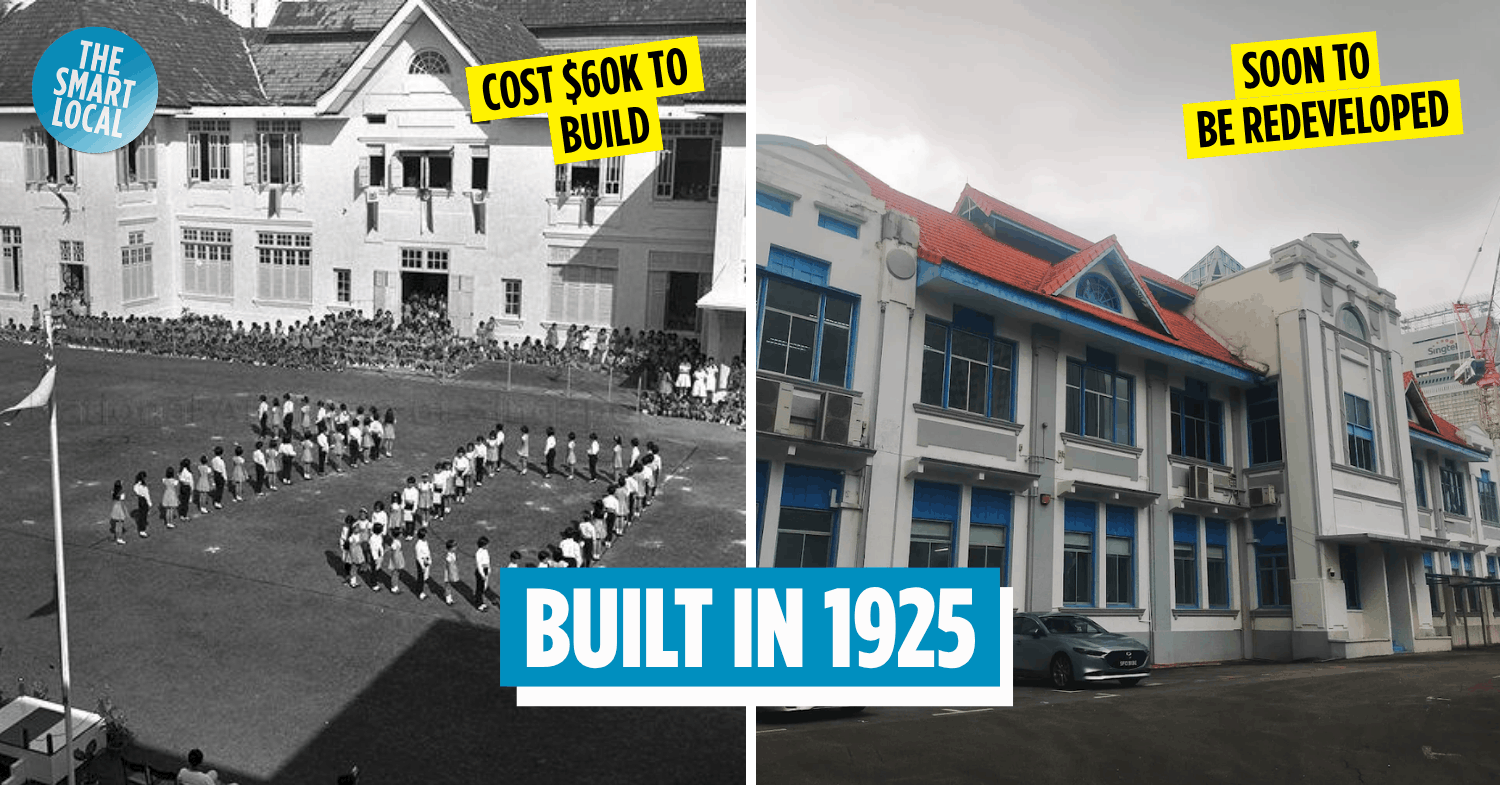
SCGS: Former Singapore Chinese Girls' School Building

TheSmartLocal – Singapore’s Leading Travel and Lifestyle Portal

Skip to content
ADVERTISEMENT
former SCGS building emerald hill orchard to be redeveloped -

This 100-Year-Old Abandoned Building In Orchard Was Once Home To SCGS Students 

Former Singapore Chinese Girls’ School (SCGS) building


Few locals can say that they grew up attending school in Orchard, but the Singapore Chinese Girls’ School (SCGS) alumni are one of the rare exceptions. Known affectionately by students as the “Grand Old Lady”, the former SCGS building at 37 Emerald Hill was a 2nd home for generations of girls for 70 years until the school relocated.

In recent years, the campus has sat largely empty since the last international school moved out in 2020, but it remains far from forgotten. While the area is slated for redevelopment soon, parts of the cherished school compound will be preserved, honouring Orchard’s lesser-known past.

ADVERTISEMENT

One of the oldest schools in Singapore


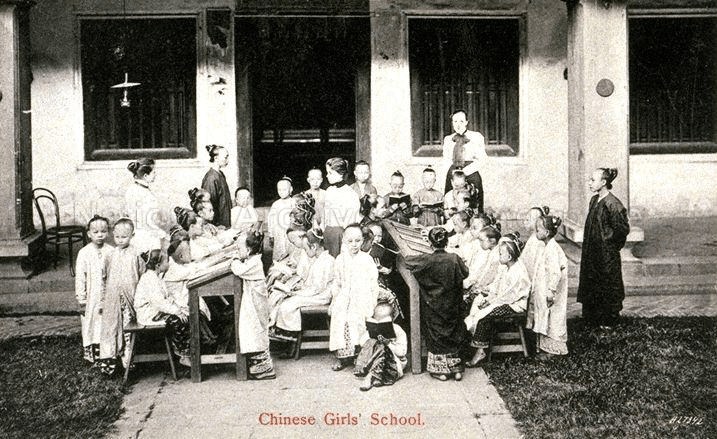
former SCGS building emerald hill orchard to be redeveloped - Chinese Girls’ School students having lessons outside the school at Hill Street, circa 1900. Image credit: National Archives of Singapore
Chinese Girls’ School students having lessons outside the school at Hill Street, circa 1900.
Image credit: National Archives of Singapore 

Founded in 1899 by Dr Lim Boon Keng, lawyer Song Ong Siang, and scholar Khoo Seok Wan, Singapore Chinese Girls’ School (SCGS) had humble beginnings. It opened the doors to its shophouse-turned-school for the 1st time at Hill Street to just 7 students. One of the earliest members on the teaching team was, in fact, Dr Lim Boon Keng’s 1st wife, Margaret Wong, who taught Chinese to the older students.

The school’s admirable aspirations to educate young Chinese girls at a time when it was far from the norm took a while to gain traction. However, SCGS’s early years were not all smooth-sailing, plagued by financial issues, high teacher turnover rates, and problems with underqualified staff.

Despite this, enrolment grew, and the school moved between locations for a few years, eventually having to relocate by 1924 when the government sought to reclaim the land to build the Central Fire Station. Fun fact: That’s also where the Civil Defence Heritage Gallery is currently located.

ADVERTISEMENT

In 1925, the school moved to a 2-storey building at Emerald Hill that belonged to Dr Lim.


A new home at Emerald Hill


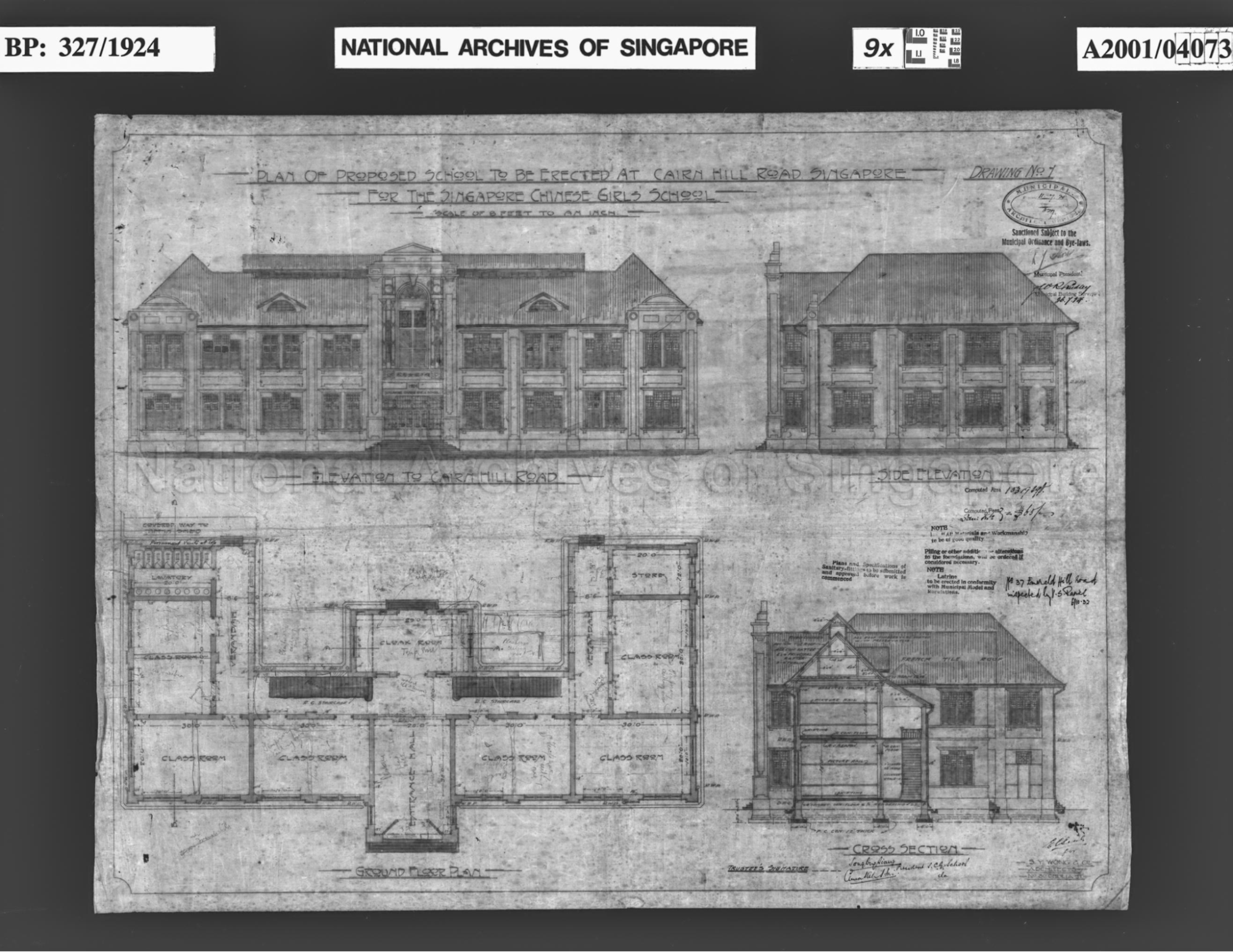
former SCGS building emerald hill orchard to be redeveloped - Plan of the proposed SCGS building at Cairnhill Road (37 Emerald Hill Road) in 1924.
Plan of the proposed SCGS building at Cairnhill Road (37 Emerald Hill Road) in 1924.
Image credit: Building Control Division of the Public Works Department via the National Archives of Singapore 

The renovations cost $60,000, but SCGS now had 12 classrooms, an assembly hall, a staff room, and a principal’s office.

ADVERTISEMENT

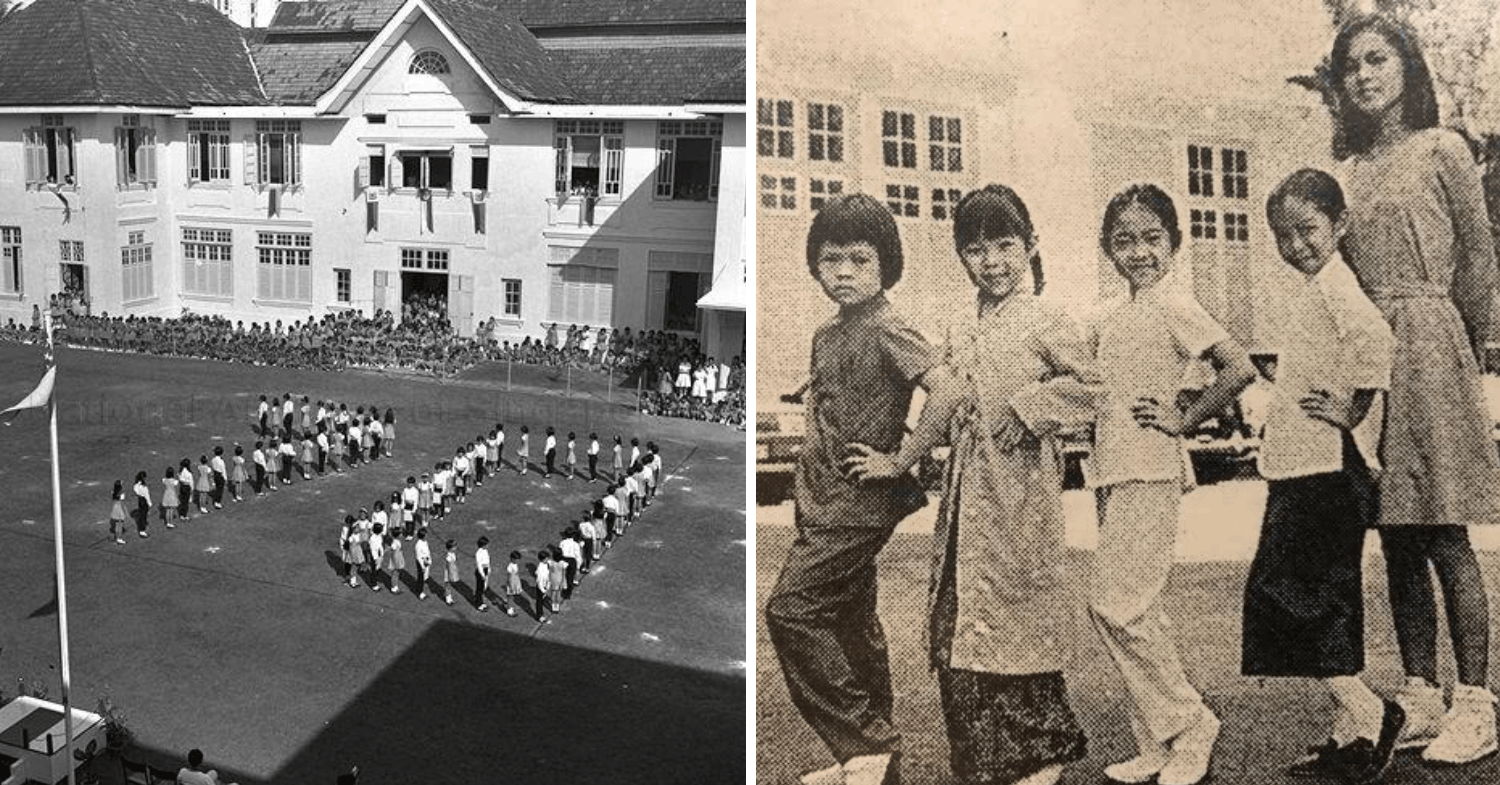
former SCGS building emerald hill orchard to be redeveloped - SCGS students celebrating the school’s 70th anniversary in 1969 (left) and students in the late 1980s modelling some of the uniforms worn throughout the years (right).SCGS students celebrating the school’s 70th anniversary in 1969 (left) and students in the late 1980s modelling some of the uniforms worn throughout the years (right).
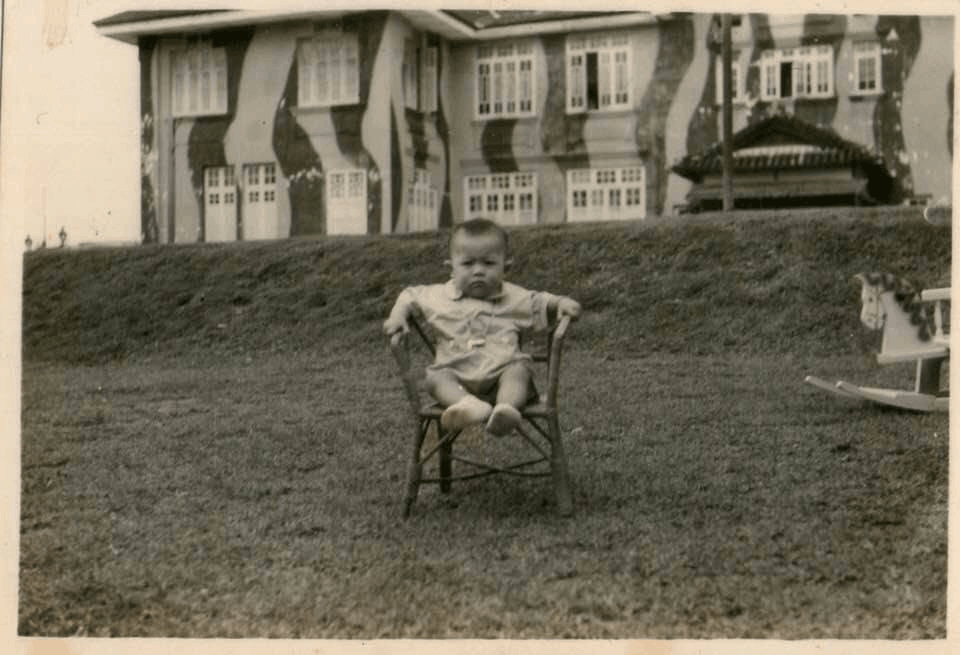
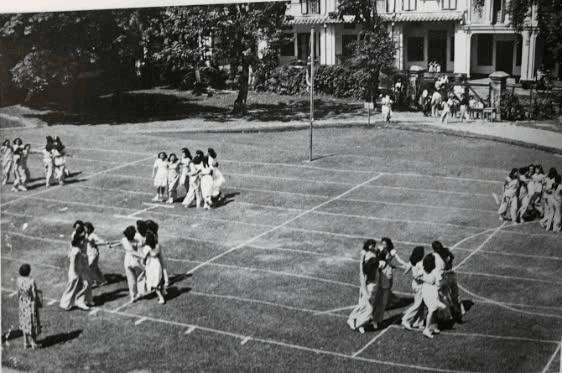
Image adapted from: Singapore Press Holdings via National Archives of Singapore, Keep 27 Emerald Hill via Facebook

As SCGS established itself at Emerald Hill, its traditions took shape, including a new school crest, school houses, a Guide Company, and a uniform of white samfu top and trousers that was later replaced by the iconic blue pinafore we know today.

ADVERTISEMENT

former SCGS building emerald hill orchard to be redeveloped - The former SCGS building was painted in camouflage during its use by the Japanese forces in the late 1940s.
The former SCGS building was painted in camouflage during its use by the Japanese forces in the late 1940s.

Image credit: Mr Eddie Teo, courtesy of Keep 37 Emerald Hill via Facebook 

But the days didn’t always remain bright and sunny. As World War II made its way to Singapore’s shores, the school was reportedly repurposed by Japanese forces into quarters for “comfort women” from 1942 to 1945.


A school for all girls


former SCGS building emerald hill orchard to be redeveloped - Girls playing in the open field facing the shophouses, which later became the site of the Song Ong Siang block.
Girls playing in the open field facing the shophouses, which later became the site of the Song Ong Siang block.
Image credit: Keep 37 Emerald Hill via Facebook

After World War II, the school began expanding its enrollment criteria to include girls of all ethnicities in 1947. At the same time, the school compound also expanded to accommodate the flock of new students.

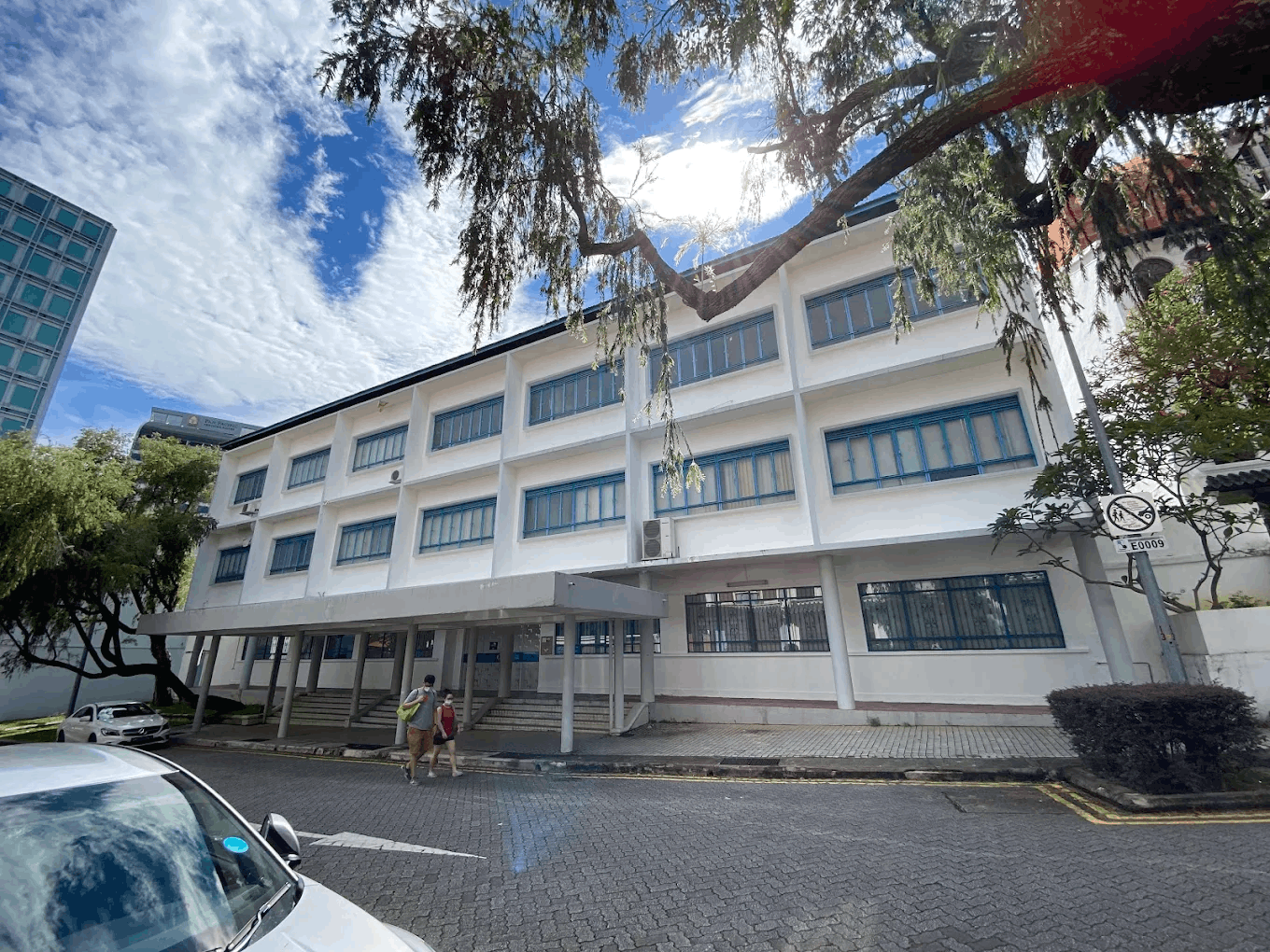
former SCGS building emerald hill orchard to be redeveloped - The now-defunct Song Ong Siang block still stands today. The now-defunct Song Ong Siang block still stands today.
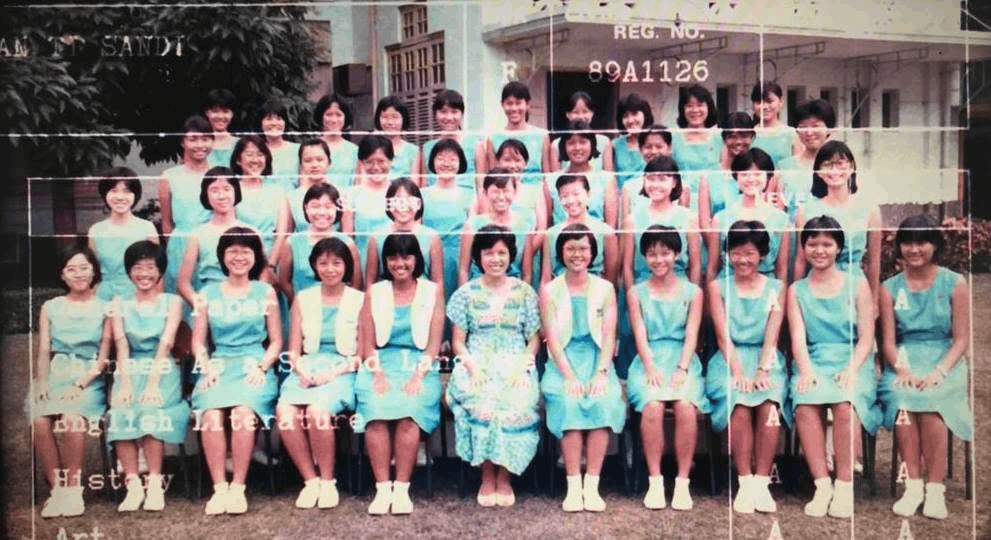
Image credit: Thew Guat Hoon via Google Maps 

One such addition was the Song Ong Siang block fronting Emerald Hill Road, named after one of the founders. Completed in 1956, the open field was turned into a 3-storey block with another hall, 8 classrooms, a science lab, and a room for domestic science or Home Economics as it was later called.


Conserving the former SCGS building  


After 70 years, the school’s golden years at 37 Emerald Hill were numbered. On its 90th anniversary in 1989, SCGS became an independent school, and at the same time, they were offered a spot by the government along Dunearn Road in exchange for the land at Emerald Hill. In 1994, they said goodbye to the “Grand Old Lady” and officially relocated.

The National Heritage Board (NHB) later recognised the building as a heritage site in 1997, and a revolving door of international schools went on to occupy the space, the last of which was Chatsworth International School until they also moved out in 2020.

former SCGS building emerald hill orchard to be redeveloped - shirkers documentaryStill from Shirkers by Sandi Tan.
Image credit: Keep 37 Emerald Hill via Facebook

Here’s another fun fact: The original SCGS building even made a cameo in local filmmaker Sandi Tan’s documentary, Shirkers. It debuted at the 2018 Sundance Film Festival and won the World Cinema Documentary Directing Award before releasing on Netflix.

Yet, even in the late 2010s, there were debates over the threat of potential redevelopment, leading to an 11,500-strong petition created by former alumni to push for the site to be granted official conservation status. In May 2019, the group produced a 143-page report detailing ideas for repurposing the building into a museum, Peranakan-themed cooking school, and boutique hotel.

The Keep 37 Emerald Hill Facebook group was also set up to garner public support for their efforts, and it has since gained over 800 followers, at the time of writing.

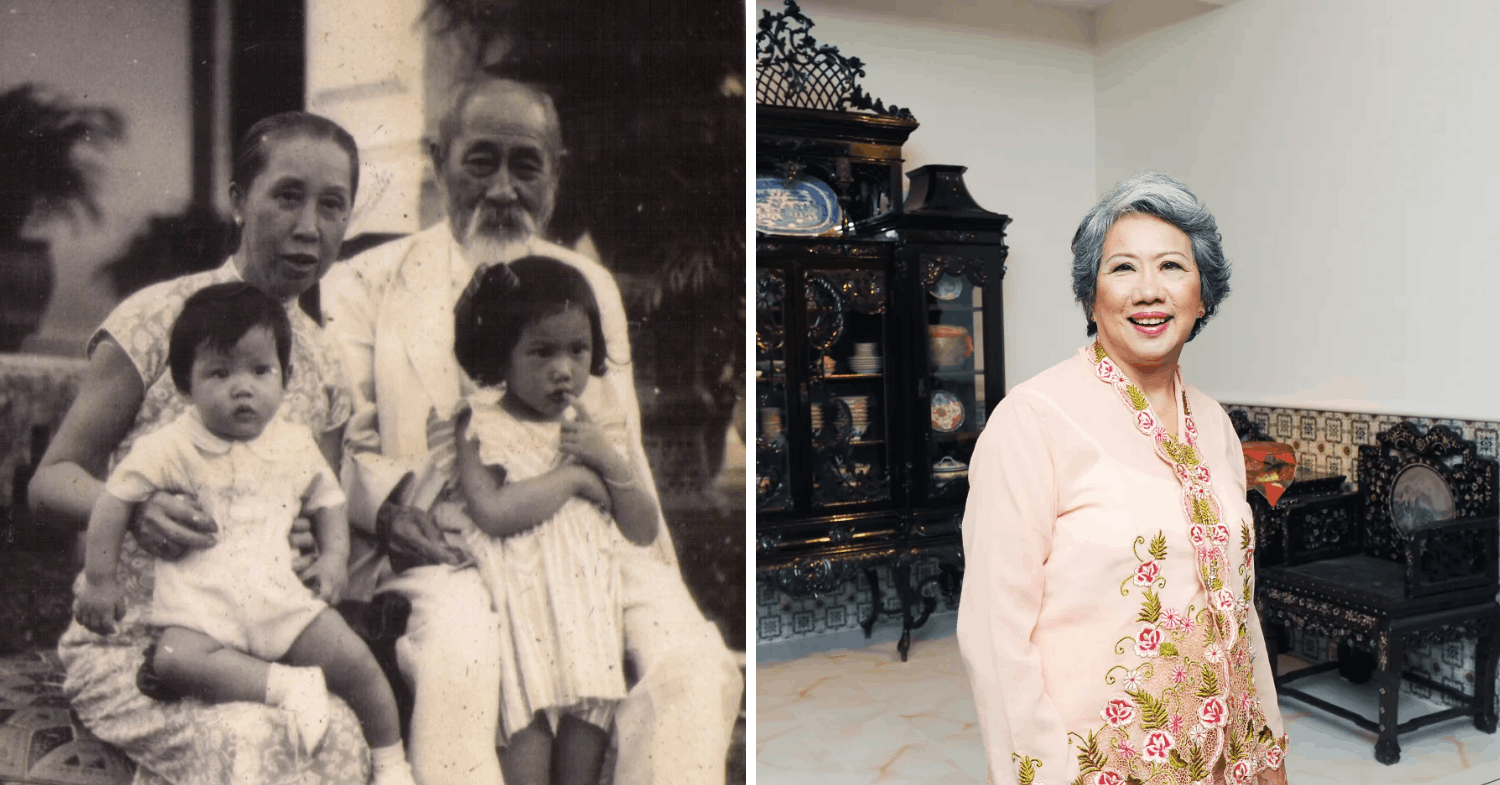
former SCGS building emerald hill orchard to be redeveloped - Stella Kon (1st from right) and her brother with their great-grandparents, Mr and Mrs Lim Boon Heng, in a childhood photo (left), and Stella today (right). Stella Kon (1st from right) and her brother with their great-grandparents, Mr and Mrs Lim Boon Heng, in a childhood photo (left), and Stella today (right).
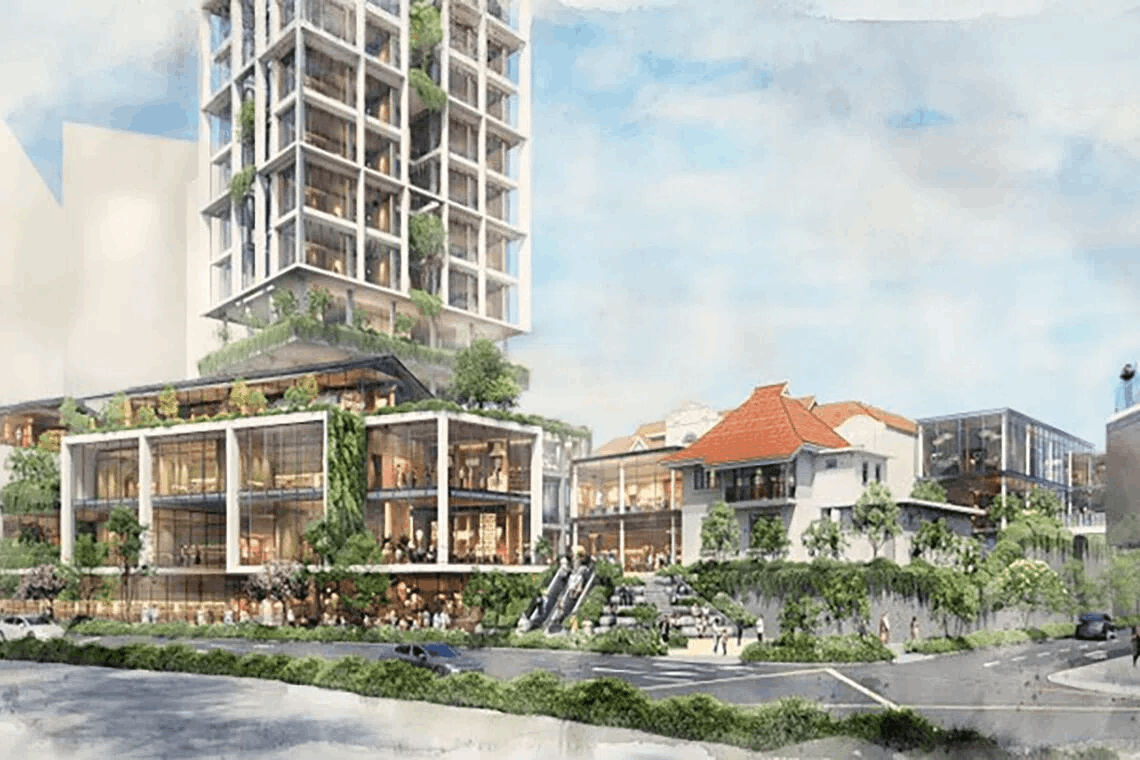
Image adapted from: Lim Su Min, Peranakan Museum 

Many alumni fought to preserve the site, including Stella Kon. Not only is she the great-granddaughter of Dr Lim Boon Keng, but she’s also more famously known for penning the award-winning play, Emily of Emerald Hill.

Their efforts paid off as the Urban Redevelopment Authority (URA) assessed that the Main Block, Principal’s House, and the Song Ong Siang Block held important historical and architectural value.

former SCGS building emerald hill orchard to be redeveloped - An artist's impression of the mixed-use development planned at 37 Emerald Hill.
An artist’s impression of the mixed-use development planned at 37 Emerald Hill.
Image credit: Singapore Tourism Board 

As recently as May 2026, the government has put up a tender for 37 Emerald Hill with plans to build a mixed-use development on the site featuring a hotel, lifestyle products and experiences, and public spaces while still honouring the site’s history. The conserved buildings will still be kept and incorporated into the redevelopment process.


The last days of the former SCGS building


former SCGS building emerald hill orchard to be redeveloped -
Image credit: Muhammad Iqbal  via Google Maps

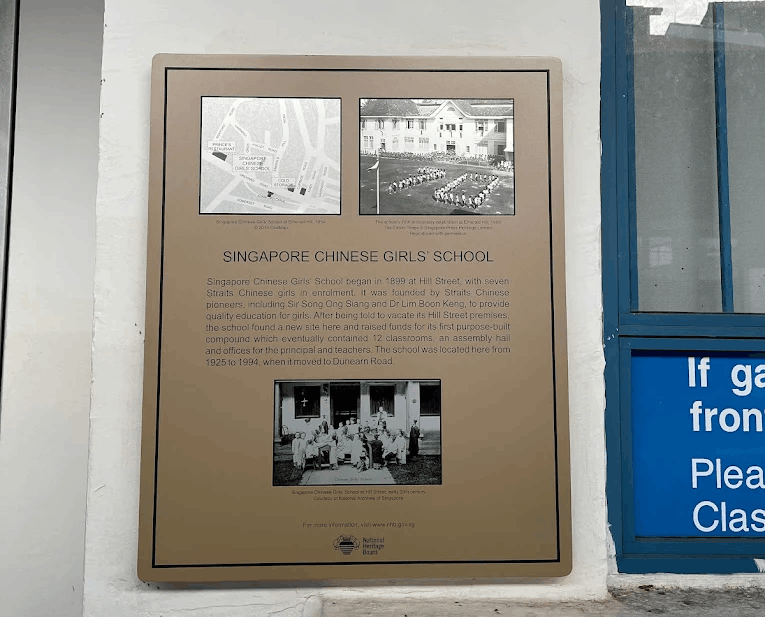
Today, the historic site remains a shell of its former self. Save for an NHB plaque with a short write-up on the site’s glory days, the area has been left frozen in time for now.

former SCGS building emerald hill orchard to be redeveloped - national heritage board plaque
Image credit: T Saka via Google Maps 

While the school compound has changed hands and undergone transformations over the years, it’s not too hard to close one’s eyes and imagine the chatter of schoolgirls and the hubbub of lessons these walls once bore witness to.

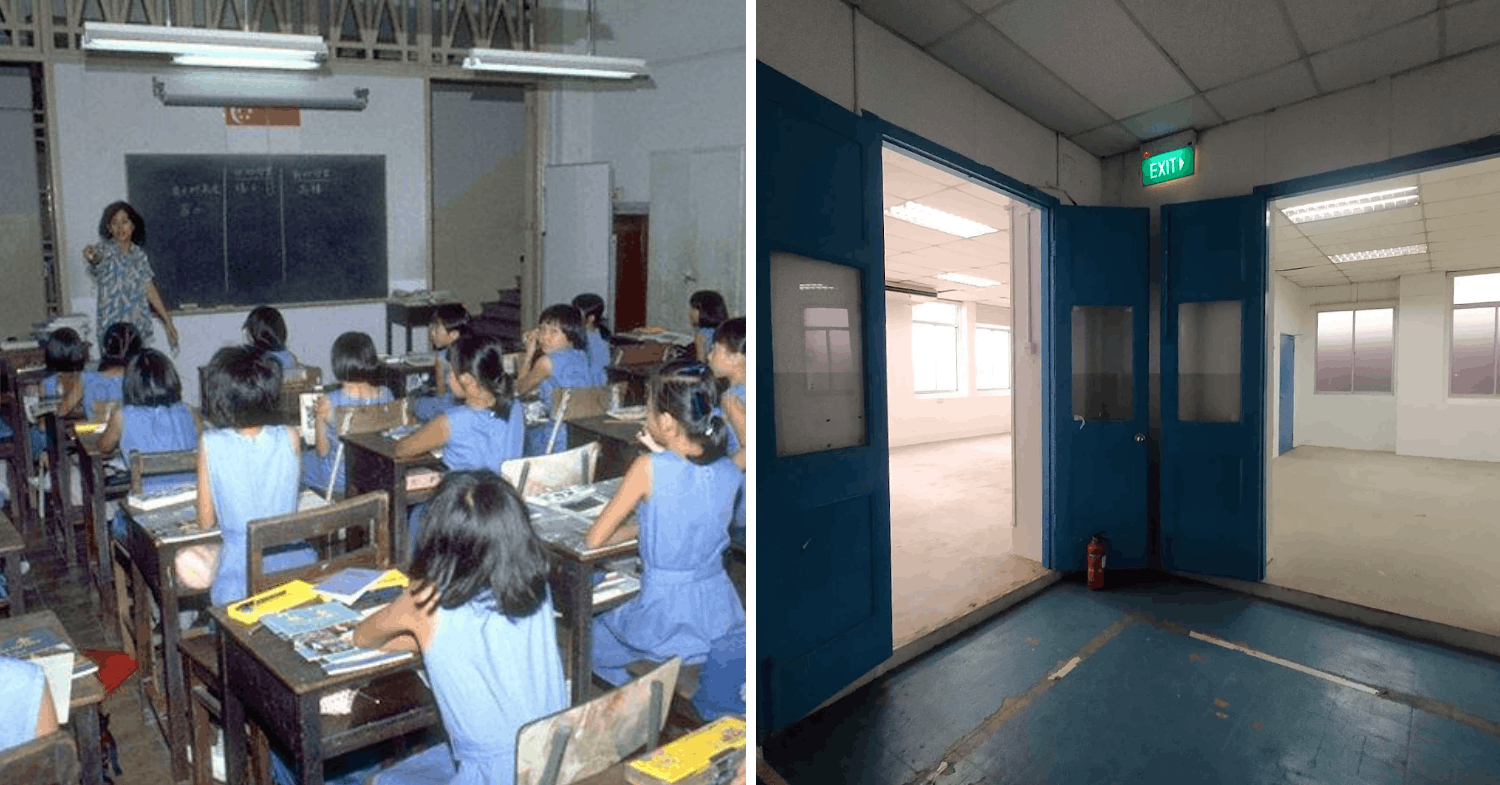
former SCGS building emerald hill orchard to be redeveloped - A class session in progress in 1988 (left) compared to the abandoned classrooms in 2024 (right).A class session in progress in 1988 (left) compared to the abandoned classrooms in 2024 (right).
Image adapted from: National Archives of Singapore, Muhammad Iqbal via Google Maps 

The final public tour of the school compound was held on the last 2 weekends of May 2024 as part of the Singapore Heritage Festival, drawing crowds of close to 300 visitors.

Today, the site seems to be closed off to the public, with no new updates on Google Maps in months. That said, if you’re feeling nostalgic, you can still stop by the Song Ong Siang block on Emerald Hill Road and snap a few photos to keep the memories alive.


A monument of a bygone era


The former SCGS building is not the only historic landmark confronting change. The former Teachers’ Training College campus, where teachers trained before the National Institute of Education (NIE), may be at risk amid redevelopment plans for the wider Paterson area. Only time can tell the fate of these buildings, so consider this your sign to visit the spots the younger version of you may have taken for granted while they’re still around.

More articles on Singapore’s heritage:


Cover image adapted from: National Archives of Singapore,  Muhammad Iqbal via Google Maps 

ADVERTISEMENT