
https://www.straitstimes.com/opinion/sumiko-at-61-no-your-body-wont-collapse-like-a-jellyfish-how-i-live-with-osteoporosis
2025-10-07
If you’re going down a flight of stairs, you wouldn’t want to be behind me. I tread very slowly and carefully, holding on to the railing if there’s one, and making sure each foot is firmly planted before the next step.
You see, I have osteoporosis. For me, a small fall can easily cause a serious fracture, and that’s something I don’t want to risk.
I was diagnosed with osteoporosis in June 2022 during an annual medical screening. My health package included a range of tests and the doctor suggested I do a bone mineral density scan, something I had never done before. I agreed, not realising how it would change the way I thought about my body and my health.
The scan is simple. You slip into a hospital gown and lie on an open, padded table. A small overhead scanner moves slowly over your body, taking images. To check the spine, a box is placed under your legs to prop them up. It’s over in minutes.
A few weeks later, my medical report came back. Under bone mineral density, it noted that I was “osteoporotic” and should consult a doctor for further treatment. I didn’t pay much attention to it.
During a follow-up telephone consultation with a doctor, I was more worried about a blood marker reading that was off, but she assured me it wasn’t a concern. Instead, she kept going back to my bone scan results. Patiently, she advised me to see an endocrinologist and wrote me a referral letter.
At that time, I didn’t know much about osteoporosis – or the term “osteoporotic” – beyond it meaning weakened bones, usually linked to old age. At 58, I didn’t feel old. I was running, doing yoga and staying active. Bone health wasn’t on my radar.
After putting it off for a few months, I made an appointment with an endocrinologist. He ordered blood tests to look for underlying factors that might contribute to bone loss, including calcium, phosphate, vitamin D and various hormone levels. It was important to see if my osteoporosis was purely age-related or influenced by other conditions.
I also did another bone mineral density scan, or what is known as DEXA (dual-energy X-ray absorptiometry). This was both to confirm the earlier results and because it’s best to use the same machine when tracking changes in bone density over time.
The readings came back worse than the scan during my health screening.
Bone density results are given as a T-score, which compares your bone density with that of a healthy young adult. A T-score of -1.0 or higher is normal. A T-score between -1.0 and -2.4 indicates low bone mass, called osteopenia. A T-score of -2.5 or lower indicates osteoporosis (meaning you are osteoporotic), signalling a high risk of fractures.
Most scans measure the lumbar vertebrae (spine), the left hip, and the left femoral neck, which is the narrow section of bone connecting the top of the thigh bone to the hip joint. My T-scores were all below -2.5.
The endocrinologist also calculated my fracture risk. FRAX, or the Fracture Risk Assessment Tool, is an online tool to estimate a person’s 10-year probability of suffering a major osteoporotic fracture. It takes into account factors like T-scores (if available), age, sex, weight, height, family history of hip fractures and lifestyle habits. My risk was not immediately dire, but significant enough to warrant serious attention.
We discussed the next steps. Medication was an obvious option and there’s a wide range available, from pills to injections. But after researching the drugs and their rare but serious side effects, I decided to postpone starting medication for as long as I can.
Instead, I told the doctor that I’d focus first on getting enough calcium and vitamin D, staying active with weight-bearing and strength exercises, improving my balance, being cautious when I walk, and regular check-ups.
If all this sounds like I was calm and rational about my diagnosis, the truth is, I wasn’t.
During the first year, especially, I was distressed, anxious and scared. I worried that my bones were so fragile that they’d break with the slightest force, or even crumble from within. When I shared these fears with my endocrinologist, he reassured me: “No, your body won’t collapse like a jellyfish.”
But I couldn’t shake off my anxiety. It didn’t help that within the first year of my diagnosis, a cyclist startled me from behind when I was out brisk walking. Already hyper-vigilant about the risk of falling, I jumped onto the grass verge to avoid him – and ended up twisting my left ankle badly. An X-ray revealed a chip fracture. Just hearing the word “fracture” flooded me with fear.
To my relief, the ankle healed quickly and well. The recovery gave me a bit of confidence about the condition of my bones.
Understanding osteoporosis
Osteoporosis is a disease that causes bones to become weak, brittle and prone to fractures. Hip fractures, especially, can set off a chain of serious health issues.
Osteoporosis can affect both men and women. As at 2023, about 16 per cent of people aged 70 and above in Singapore have osteoporosis, and it has been flagged as a growing concern as the population ages.
Several factors can increase the risk of developing it. These include being female and older in age, having a low body mass index (BMI), early menopause and hormonal imbalances. Long-term use of certain medications, such as steroids, can also contribute, as can conditions that affect nutrient absorption.
Lifestyle factors play an important role too – insufficient calcium and vitamin D intake, excessive dieting or weight loss, and habits such as smoking or heavy alcohol consumption can all accelerate bone loss.
Bone is a living tissue that is constantly being broken down and rebuilt in a process known as remodelling. Specialised cells called osteoclasts break down old or damaged bone tissue, which is then absorbed by the body. Osteoblasts, another type of bone cell, lay down new bone in the same spot.
In a healthy adult, this continuous renewal process keeps the skeleton strong and stable. In osteoporosis, however, more bone is broken down than replaced, resulting in reduced bone density and structural weakness.
Dr Mala Satku, senior consultant at Tan Tock Seng Hospital’s (TTSH) department of hand and reconstructive microsurgery, likens the density of healthy bone to that of a brick. “Osteoporotic bone would be like a honeycomb or, in our local context, like keropok wheel crackers,” she says.
This change in bone structure and composition reduces its ability to withstand low-energy injuries. Examples include falling from a standing height– such as slipping on a wet floor when you’re walking – or even falling off a stool or bed.
“There have even been cases where there is no fall reported, but coughing, in patients with extremely low bone density, can cause fractures of the spine,” she says.
Breaks in the bone from low-impact causes are known as fragility fractures or osteoporotic fractures.
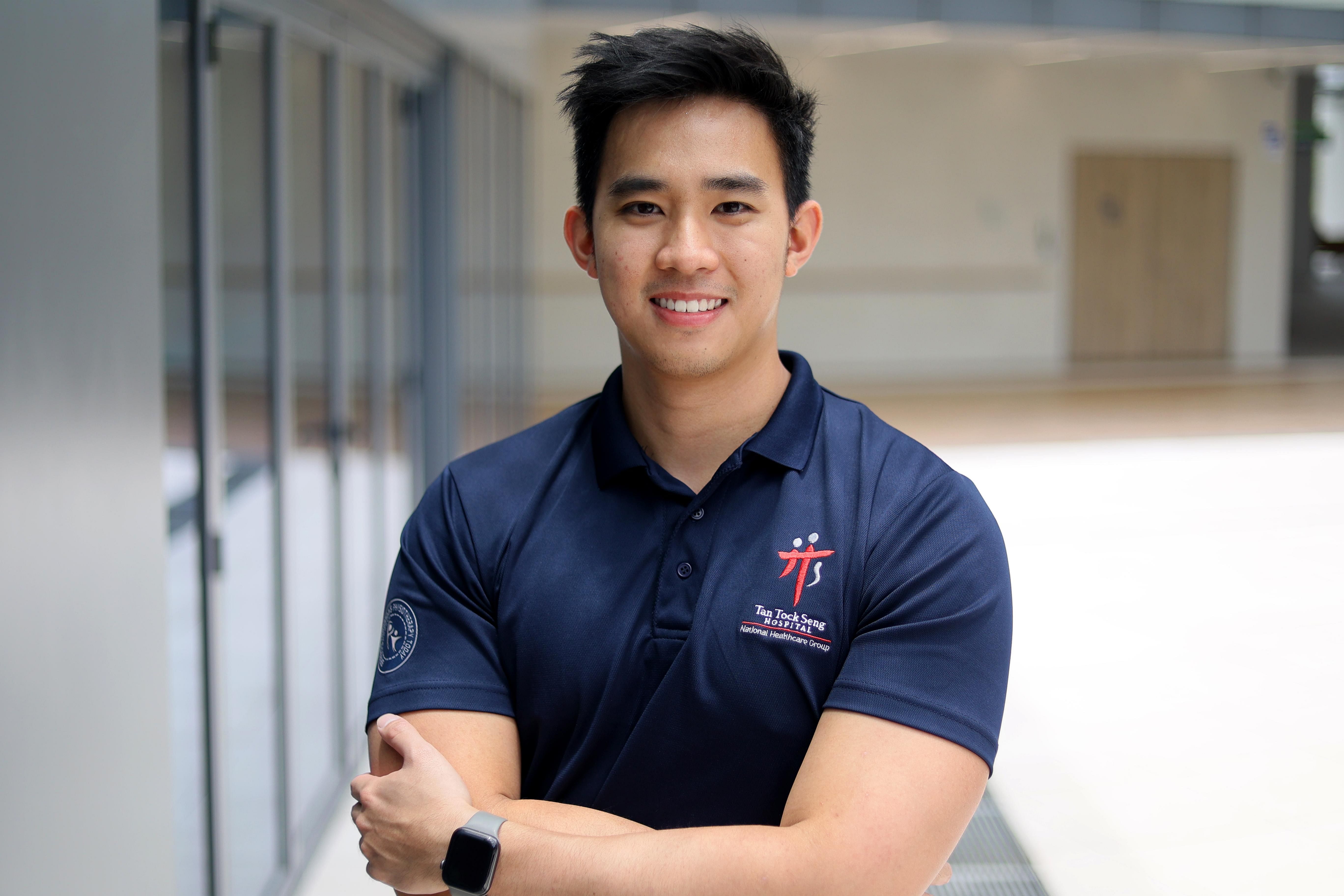
Dr Chin Han Xin, consultant in the department of endocrinology at TTSH, says fragility fractures most commonly affect the spine, hip, wrist and upper arm near the shoulder.
“Fragility fractures can be serious, causing pain, limited mobility and a lower quality of life,” she says. “Hip fractures, in particular, may lead to serious complications, and even death.”
Osteoporosis is a silent disease. In the early stages, it often has no symptoms and may go undetected until a fracture occurs. When bones become more weakened, signs of the condition may start to appear, usually due to fractures, particularly in the spine. These can cause back pain from a vertebral compression fracture, where a spinal bone collapses, as well as a noticeable loss of height, a stooped posture, or bones that break easily from minor incidents.
Dr Mala notes that osteoporosis screening and treatment have traditionally focused on hip fractures because of their high risk of complications and mortality. But new evidence shows that wrist fractures – which tend to occur in younger, more active individuals – are part of the continuum of osteoporosis-related fractures. This highlights the need to pay attention to such younger patients early so they can prevent a second, more serious fracture later in life.
Osteoporosis can also complicate the treatment of fractures. Because osteoporotic bones are weaker, fractures tend to be more severe and “multi-fragmentary” than those in healthy bone. As Dr Mala describes it: “Imagine glass shattering compared with a crack in a strong brick when dropped.”
Is osteoporosis inevitable?
Osteoporosis is not an inevitable part of ageing and can be both prevented and treated, says Adjunct Professor Lau Tang Ching, senior consultant in the division of rheumatology and allergy at the National University Hospital’s department of medicine.
The key, he explains, is to build strong bones before the age of 30, when bone mass is still increasing. After that, the focus shifts to reducing bone loss. Prof Lau says bone mass naturally declines by about 1 per cent a year after 30. For women, this rate can accelerate to 2 per cent to 3 per cent a year after menopause for those with poor lifestyles. Menopause results in a drop in oestrogen, a hormone that helps protect bone.
A healthy lifestyle can help to slow bone loss. This includes ensuring adequate calcium and vitamin D intake, engaging in regular exercise, avoiding smoking, limiting alcohol and using steroid medications cautiously. Still, Prof Lau cautions that genetics, menopause and certain medical treatments can lead to osteoporosis despite one’s best efforts. “It’s a bit like diabetes,” he says. “A healthy lifestyle can prevent or even delay its onset, but some people will still develop it.”
Dr Chin adds that the teenage years are especially crucial for building bone strength. “The more bone you build early on, the lower your risk of osteoporosis later,” she says.
While osteoporosis can be prevented, once diagnosed, it cannot usually be completely reversed, she says. “However, it can be slowed down, by either reducing the rate of bone loss or increasing the rate of bone formation. This results in improved bone density and reduces the risk of fractures.”
Which doctor to consult?
When I was diagnosed with osteoporosis, I was referred to an endocrinologist, but I later learnt that other specialists also manage the condition, which was a bit confusing.
Prof Lau explains that osteoporosis isn’t so much a single disease but the result of many factors that weaken bones. Because of this, different specialists may be involved, each focusing on a different aspect of the condition.
Endocrinologists focus on hormones that affect bone strength such as oestrogen and testosterone, and also thyroid hormones, parathyroid hormones, cortisol and vitamin D. When these are out of balance, bone loss can accelerate, and they help treat this.
Rheumatologists manage chronic inflammatory conditions like rheumatoid arthritis and lupus, which directly damage bones. They also manage the side effects of treatments such as long-term steroids, which are a major cause of osteoporosis.
Orthopaedic surgeons deal with fragility fractures and are often the first to diagnose osteoporosis in a patient, Prof Lau says.
Geriatricians specialise in the comprehensive care of the elderly and view osteoporosis as part of frailty. Their focus is to prevent falls, review medications, ensure good nutrition and help maintain quality of life.
For most patients, the first point of contact should be the family doctor. “They are trained to evaluate and manage osteoporosis,” says Prof Lau. “Only when needful, the family physician will refer to the specialists for core issues that require their inputs.”
Treatment options
Managing osteoporosis can be confusing for patients as there are many treatment options, each with its own benefits, risks and misconceptions.
Commonly prescribed medications include bisphosphonates, which slow bone loss, bone-building drugs and hormone-related treatments. They come in various forms, from oral pills to intravenous infusions and under-the-skin injections.
Dr Chin says treatment, like with any chronic condition, should be individualised. While the recommended medication depends on a person’s fracture risk, the final decision is made through a discussion between doctor and patient.
She notes that misconceptions about osteoporosis drugs often revolve around fears of dental or thigh bone complications. A side effect called medication-related osteonecrosis of the jaw can occur, but she emphasises that it is very uncommon among osteoporosis patients. “Most people can continue routine dental care safely,” she says.
Another concern is the possibility of atypical femoral fractures (AFF), where the thigh bone may weaken. This side effect is very rare, she says. Studies have shown that for every one AFF that occurs, about 75 hip fractures are prevented.
“In general, serious side effects from osteoporosis medications are rare,” she says. “The benefits of preventing fractures are much greater than the risk of these side effects.”
Beyond medication, lifestyle measures are equally critical. Dr Chin offers this general advice:
- Calcium to build bones: Adults aged 51 and above need 1,000mg daily; those aged 19 to 50 need 800mg. If you don’t get enough calcium from food, supplements can help.
- Vitamin D for calcium absorption and bone health: Sun exposure and diet may not provide enough, so supplements might be needed. Those with osteoporosis typically need 800IU to 1000IU daily, adjusted based on blood tests.
- Regular exercise, 30 minutes at least five times a week: Weight-bearing exercise – where you actively work against gravity to hold your body upright, such as brisk walking, but not swimming and cycling – helps to increase bone formation. To reduce the risk of falls, you need muscle-strengthening and balance exercises.
- Stop smoking and limit alcohol intake.
- Reduce your risk of falling.
I’ve incorporated many of these strategies into my life. I do brisk walking, taiji and occasional strength training with an exercise band. I’ve added low-fat milk to my diet and take a daily calcium and vitamin D supplement.
Since 2022, I’ve had two follow-up bone density scans. Overall, my three scans with the endocrinologist have remained fairly stable. The latest showed a drop in spine density (bad news), no change in my left hip, and an improvement at the left femoral neck, which is now just within the osteopenic range (good news). That said, the difference could simply be due to how I was positioned during the scan.
The fact remains: I have osteoporosis. It’s something I have to live with, manage – and eventually start medication for.
Until then, I’ll keep moving forward, one careful step at a time.



 赞
赞








 Posts
Posts


