See http://hl123.blogspot.sg/2016/09/2nd-edition-as-at-2016-09-12-of-post.html
Monday, September 12, 2016
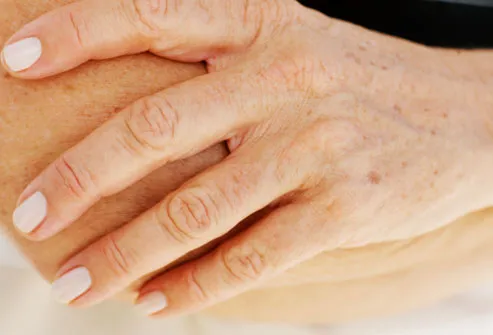
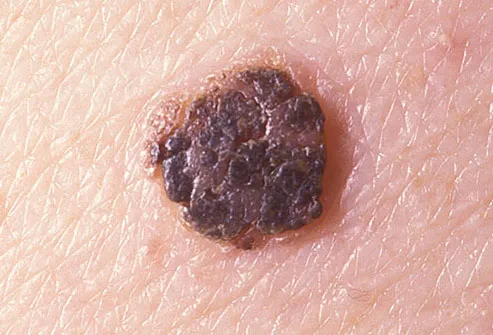
My right hand on 12 September 2016, healed from eczema after taking relevant health supplements since March 2016.
See http://hl123.blogspot.sg/2016/09/2nd-edition-as-at-2016-09-12-of-post.html
Thursday, July 3, 2014
Camp hopes to scratch out stigma from eczema -- Note: The camp was run for children by Singapore KK Women's and Children's Hospital (KKH) on 27 June 2014
The following is extracted from the report “Camp hopes to scratch out stigma from eczema” by LINETTE LAI, PUBLISHED ON JUN 30, 2014 1:27 AM in (The Straits Times) http://www.straitstimes.com/premium/singapore/story/camp-hopes-scratch-out-stigma-eczema-20140630 to help to create the awareness of the eczema problems faced by some children in Singapore and hopefully we can find a solution for them.
THE high number of eczema cases among children has prompted KK Women's and Children's Hospital (KKH) to run its first day-long camp for sufferers.
Last Friday's camp (27 June 2014) touched not only on treatment but also on helping children work through emotional and psychological issues brought about by the condition.
Eczema affects 20 per cent of children in Singapore, although most recover by the time they reach primary school.
"A lot of times in school, they are the only ones who have (severe eczema)," said Dr Mark Koh, head and consultant of KKH's dermatology service. "Some have a lot of psychosocial issues, or problems mixing with friends."
KKH hopes that this camp, which involved about 60 severe eczema patients and their family members, will show these children that they are not alone.
Highlights included an ice cream-making session, sports day and a visit to the Night Safari. They also visited KKH and the Esplanade.
Many children with severe eczema are driven to scratch almost constantly, resulting in flaky, crusty skin all over.
Heat and sweat aggravate the condition, making physical education lessons in school something to dread.
Social isolation could also worsen a child's eczema, as the condition flares up when a sufferer is under stress.
One parent who hopes the camp will help her child come out of his shell is Ms Christine Chua, 40.
Her son, nine-year-old Keane Foo, has severe eczema that causes him to scratch himself until he bleeds.
This makes some parents and their children keep a distance.
Ms Chua recalled an incident where another parent pulled his child away from Keane.
"My son was already feeling terrible as it was," Ms Chua said. "And they pulled their child away like my son was contagious."
The dedicated mother quit her job as a business management officer two years ago to take care of Keane. She has an older son who does not suffer from eczema.
During the day, Keane has to undergo a tedious moisturising regime to stop his skin from flaking. At night, his mother has to stay half-awake to stop him from scratching.
"It really took quite a toll on me," she recalled.
Ms Chua hoped the camp has helped her son see that he is not alone in struggling with the condition.
"Sometimes he asks me: 'Why was I born like this? Why am I so unlucky?'" she said.
"After the camp, he will hopefully feel better."
Thursday, September 29, 2011
Change your diet, heal your eczema!
I saw the following question in the Mind Your Body of the Straits Times dated 2011-09-29.
Based on my personal experience, to heal her eczema completely the 14-year-old girl need to change her diet to a healthy plant based diet and take healthy supplements and avoid almost all processed food and junk food for at least 4 months to 1 year or longer. If you need more information, please let me know.
Eczema getting worse
Question: My 14-year-old daughter has eczema. Flaky patches used to appear only on the crooks of her arms and behind the knees.
But since early last year, she has been getting flaky patches all around her neck and on her eyelids. They are often itchy.
Our family doctor prescribed Dermasone which does not seem to work for her. She showers with Cetaphil and applies moisturisers.
What else can she do to treat the eczema and alleviate the itch and discomfort?
Answer (by DR CHRIS FOO, specialist in dermatology at Raffles Hospital): Please read http://www.straitstimes.com/MindYourBody/HealthHelp/Story/STIStory_717709.html
Friday, January 21, 2011
Readers offer to help eczema boy (Report by Ms. Lea Wee)
============================================
HL 123's Comments: I am surprised that no readers in the report below mentioned the importance of having healthy diet and food, abstaining from almost all processed food in curing eczema. Please see my post in this blog “Benefits of healthy plant-based diet (based on my personal experience)”.
Readers offer to help eczema boy
From taking evening primrose oil and customising your shirt, to swimming in the sea and shaving your head. These were some of the solutions that at least 20 readers sent to MYB after reading about the eczema of Madam Diana Ng's son.Her struggle with her son's eczema was featured in last week's issue of Mind Your Body ('Help, my kid's itching all over', Jan 13).
The five-year-old has rashes all over his body, including his scalp. He sleeps only 21/2 hours every night because of the itch and often scratches his sores till they bleed.
Readers, mostly mothers whose kids had eczema, asked MYB to forward their e-mail to Madam Ng as they were eager to share their success stories with her.
One mother said evening primrose oil cured her son of his eczema soon after he turned two. He had suffered from it since he was four months old.
Another mother, Mrs Chia Hsin-Lin, sealed the sleeves of her son's shirt so that he could not scratch himself at night. She could also apply medicine to the rashes without having to worry that it would end up in his eyes or mouth.
She enthused: 'I can show her my son's old garment.'
To keep her son cool, one mother said she would shave her son's head every now and then. Heat is a known trigger of eczema.
One mother claimed a cream from Norway cured her kids of eczema.
She said: 'I can let Madam Ng try my remaining cream. If it works, I can help her order it.'
A few readers who had eczema themselves also wanted to share tips with Madam Ng.
One such reader, Ben, believes salt water soothes the itch and encourages wound healing.
He said: 'I used to have bad sores, but once I went swimming in the sea, they healed quickly.'
In the article, Madam Ng said she might buy a $1,600 machine that converts tap water into alkaline water for drinking, in the hope of making her son's eczema better.
One reader said he was willing to lend her the machine while another offered to buy the machine for her at a discounted rate, something which he usually did 'for friends only', he wrote.
Readers even had their own theories about what triggers eczema.
One believed that childhood eczema is a delayed complication of vaccinations which 'damage the immune system of a child while it is still very immature'. He reasoned that this is why the body cannot handle outside triggers so well.
The readers' overwhelming response took Madam Ng by surprise.
She said: 'There are some very caring people out there.'
She plans to reply to the e-mail messages and is considering sewing up the sleeves of her son's shirt as suggested by Mrs Chia.
Lea Wee
Monday, January 17, 2011
Atopic Dermatitis and Eczema (Comprehensive Information from medicinenet.com)
Atopic Dermatitis
What is atopic dermatitis?
What is the difference between atopic dermatitis and eczema?
How common is atopic dermatitis?
What causes atopic dermatitis?
Is atopic dermatitis contagious?
What are the symptoms of atopic dermatitis?
Can atopic dermatitis affect the face?
Is the sufferer's skin type important?
What are the stages of atopic dermatitis?
How is atopic dermatitis diagnosed?
What factors can aggravate atopic dermatitis?
What are skin irritants in patients with atopic dermatitis?
What are allergens?
What are aeroallergens?
What other factors may play a role in atopic dermatitis?
How is atopic dermatitis treated?
What is the hope for long-term management of atopic dermatitis?
Atopic Dermatitis At A Glance
Patient Discussions: Atopic Dermatitis - Describe Your Experience
Find a local Dermatologist in your town
What is the difference between atopic dermatitis and eczema? And Types of eczema (From medicinenet.com)
What is the difference between atopic dermatitis and eczema?
Eczema is used as a general term for many types of skin inflammation (dermatitis) and allergic-type skin rashes.
There are different types of eczema, like allergic, contact, irritant, and nummular eczema.
Several other forms have very similar symptoms. The diverse types of eczema are listed and briefly described below.
Atopic dermatitis is typically a more specific set of three associated conditions occurring in the same person including eczema, allergies, and asthma.
Not every component has to be present at the same time, but usually these patients are prone to all of these three related conditions.
Types of eczema
Contact eczema: a localized reaction that includes redness, itching, and burning where the skin has come into contact with an allergen (an allergy-causing substance) or with an irritant such as an irritating acid, a cleaning agent, or other chemical
Allergic contact eczema: a red, itchy, weepy reaction where the skin has come into contact with a substance that the immune system recognizes as foreign, such as poison ivy or certain preservatives in creams and lotions like Neosporin or Bacitracin
Seborrheic eczema (also called seborrheic dermatitis or seborrhea): is a very common form of mild skin inflammation of unknown cause that presents as yellowish, oily, scaly patches of skin on the scalp, face, ears, and occasionally other parts of the body. Often this is also called dandruff in adults or "cradle cap" in infants.
Nummular eczema: coin-shaped (round), isolated patches of irritated skin -- most commonly on the arms, back, buttocks, and lower legs -- that may be crusted, scaling, and extremely itchy
Neurodermatitis: a very particular type of dermatitis where the person frequently picks at their skin, causing rashes. The underling cause may be a sensitivity or irritation which sets off a cascade of repeated itching and scratching cycles. It may be seen as scratch marks and pick marks on the skin. Sometimes scaly patches of skin on the head, lower legs, wrists, or forearms caused by a localized itch (such as an insect bite) may become intensely irritated when scratched.
Stasis dermatitis: a skin irritation on the lower legs, generally related to circulatory problems and congestion of the leg veins. It may have a darker pigmentation, light-brown, or purplish-red discoloration from the congestion and back up of the blood in the leg veins. It's sometimes seen more in legs with varicose veins.
Dyshidrotic eczema: irritation of the skin on the palms of hands (mostly) and less commonly soles of the feet characterized by clear, very deep-seated blisters that itch and burn. It's sometimes described as a "tapioca pudding"-like rash on the palms.
What is atopic dermatitis? (From medicinenet.com)
What is atopic dermatitis?
Atopic dermatitis is a very common, often chronic (long-lasting) skin disease that affects a large percentage of the world's population. It is also called eczema, dermatitis, or atopy.
Most commonly, it may be thought of as a type of skin allergy or sensitivity.
The atopic dermatitis triad includes asthma, allergies (hay fever), and eczema. There is a known hereditary component of the disease, and it is seen more in some families. The hallmarks of the disease include skin rashes and itching.
The word "dermatitis" means inflammation of the skin. "Atopic" refers to diseases that are hereditary, tend to run in families, and often occur together.
In atopic dermatitis, the skin becomes extremely itchy and inflamed, causing redness, swelling, cracking, weeping, crusting, and scaling.
Dry skin is a very common complaint and an underlying cause of some of the typical rash symptoms.
Although atopic dermatitis can occur in any age, most often it affects infants and young children. In some instances, it may persist into adulthood or actually first show up later in life.
A large number of patients tend to have a long-term course with various ups and downs. In most cases, there are periods of time when the disease is worse, called exacerbations or flares, which are followed by periods when the skin improves or clears up entirely, called remissions.
Many children with atopic dermatitis enter into a permanent remission of the disease when they get older, although their skin may remain somewhat dry and easily irritated.
Multiple factors can trigger or worsen atopic dermatitis, including dry skin, seasonal allergies, exposure to harsh soaps and detergents, new skin products or creams, and cold weather.
Environmental factors can activate symptoms of atopic dermatitis at any time in the lives of individuals who have inherited the atopic disease trait.
What are allergens? (for the topic of Atopic Dermatitis / Eczema) (From medicinenet.com)
What are allergens?
Allergens are substances from foods, plants, or animals that provoke an overreaction of the immune system and cause inflammation (in this case, the skin).
Inflammation can occur even when the person is exposed to small amounts of the allergen for a limited time. Some examples of allergens are pollen and dog or cat dander (tiny particles from the animal's skin or hair).
When people with atopic dermatitis come into contact with an irritant or allergen to which they are sensitive, inflammation-producing cells permeate the skin from elsewhere in the body.
These cells release chemicals that cause itching and redness. As the person scratches and rubs the skin in response, further damage occurs.
Certain foods act as allergens and may trigger atopic dermatitis or exacerbate it (cause it to become worse).
Food allergens clearly play a role in a number of cases of atopic dermatitis, primarily in infants and children.
An allergic reaction to food can cause skin inflammation (generally hives), gastrointestinal symptoms (vomiting, diarrhea), upper respiratory tract symptoms (congestion, sneezing), and wheezing.
The most common allergy-causing (allergenic) foods are eggs, peanuts, milk, fish, soy products, and wheat.
Although the data remain inconclusive, some studies suggest that mothers of children with a family history of atopic diseases should avoid eating commonly allergenic foods themselves during late pregnancy and while they are breastfeeding the baby.
Although not all researchers agree, most experts think that breastfeeding the infant for at least four months may have a protective effect for the child.
If a food allergy is suspected, it may be helpful to keep a careful diary of everything the patient eats, noting any reactions.
Identifying the food allergen may be difficult and require supervision by an allergist if the patient is also being exposed to other allergens.
One helpful way to explore the possibility of a food allergy is to eliminate the suspected food and then, if improvement is noticed, reintroduce it into the diet under carefully controlled conditions.
A two week trial is usually sufficient for each food. If the food being tested causes no symptoms after two weeks, a different food can be tested in like manner afterward.
Likewise, if the elimination of a food does not result in improvement after two weeks, other foods may be eliminated in turn.
Changing the diet of a person who has atopic dermatitis may not always relieve symptoms. A change may be helpful, however, when a patient's medical history and specific symptoms strongly suggest a food allergy.
It is up to the patient and his or her family and physician to judge whether the dietary restrictions outweigh the impact of the disease itself.
Restricted diets often are emotionally and financially difficult for patients and their families to follow. Unless properly monitored, diets with many restrictions can also contribute to nutritional problems in children.
Friday, January 14, 2011
Parents (with kids with eczema) under stress
=========================================
The following article is from Mind Your Body of the Straits Times dated 13 January 2011, Thursday. Original title of the article is 'Parents under stress'
=========================================
Parents are bending under the strain of taking care of their kids who have eczema.
A study by the National University Hospital (NUH) in 2008 found that incurring high expenses was the No. 1 one problem, followed by fatigue and emotional distress.
The study, published in the International Journal Of Paediatric Allergy And Immunology, surveyed 104 mothers with a child suffering from eczema.
It found that mothers whose children have eczema were less well physically and mentally. They complained of pain and fatigue and reported feeling sad and nervous.
Madam Diana Ng, whose five-year-old son has eczema, is exhausted from waking up nightly to his crying and scratching.
Madam Ng, 36, has another son, three, and a daughter, seven, both of whom have mild eczema. She said the most stressful part about having a child with the condition is the feeling of not being able to help the child.
The assistant director of a marketing communications department had eczema into her teens herself.
The authors of the study, Professor Hugo Van Bever and Dr Roger Ho from NUH, said mothers need the support of not just doctors, but also professionals from different disciplines such as nurses, psychologists, counsellors and social workers.
Parents of children who have eczema can find help through support groups at NUH and the National Skin Centre. The skin centre has published a book which gives parents tips on how to live with eczema.
Madam Ng said she could not have coped with her son's condition without her husband. The couple take turns to look after their son at night. Madam Ng's mother helps in the day.
Her son has been on oral steroids for four months. His eczema began 'mysteriously' 21/2 years ago after he was hospitalised for high fever. Red, itchy patches can be found all over his body, including his scalp. His condition is so severe he draws stares from strangers.
Madam Ng is still trying to pin down the triggers of her son's eczema.
Traditional Chinese medicine doctors told her the antibiotics her son took in hospital made his immune system 'go haywire', while Western doctors pointed the finger at house dust mites.
Madam Ng thinks something else is at work.
She said: 'Every two weeks, I eliminate a certain food from his diet to find out if his eczema gets better." She has eliminated seafood, milk and cheese because his rash seemed to worsen after he ate them.
If nothing works, she is thinking of emigrating to a temperate country.
She said: 'When I took my son to Japan and Australia for holiday during winter, I found that the cooler climate there dried up his sores faster and he did not scratch so much.'
Those interested in joining support groups for parents with kids with eczema can contact:
* National Skin Centre
E-mail thomaseyun@nsc.gov.sg or call 6350-8558
* National University Singapore
E-mail enquiry@ican.com.sg, log onto www.ican.com.sg
or call 6772-5566.
Benefits of healthy plant-based diet (based on my personal experience)
(a) Eczema of the palms of my hands especially that the right hand.
(b) Fissured or cracked heels
(c) Gouts on my toes especially the big toe
(d) Chronic stuffy nose or chronic blocked nose
(e) Constipation
(f) Bad breath
(g) Chronic mouth ulcer
(h) Overweight.
(i) Chronic Bleeding gums
(j) Hair loss ---[Ref: dda-K2011a30-1858hk]
It took me a few years to learn and improve my knowledge on healthy plant-based diet by trial-and-error and reading relevant health books and information on the internet and of course, my own logical reasoning to arrive at my present healthy plant-based diet which is high fibre, low fat, low salt, low sugar, low protein.
My diet now is as follows:
(1) Almost no processed food except my daily 3-in-1 coffee and multigrain bread and some wheat biscuits or sugar biscuits.
(2) On most days, my breakfast consists of one cup of 3-in-1 coffee and two slices of multigrain bread. My lunch and dinner are non-organic Chinese multigrain rice called ten-grain rice (十谷米) with no added sugar, no added salt, no added fat no processed ingredients.
(3) On most days I take about 750 ml of green smoothie consisting of about 400 grams of a carrots, an oranges (or an apple), 1 or 2 bananas and 100 grams of organic kailan (i.e. Chinese kale) or organic cai xin.
(4) Occasionally I eat a little meat and egg and some leftover not-so-healthy food from my family members.
(5) A Multi-vitamin tablet daily.
(6 ) A vitamin C 1000mg tablet daily.
(7) 2 x tablets of "calcium (600g) +Vitamin D (200 IU)" daily.
I hope my experience is useful to you as a reference.
I am still learner on healthy diet.
I also look forward to your comments and advice.
Thursday, January 13, 2011
Eczema: Help, my kid's itching all over (Report by Ms. Lea Wee)
==========================================================
The following article is by Lea Wee published in Mind Your Body of the Straits Times dated 13 January 2011, Thursday
==========================================================
By Lea Wee
Cases of children with eczema - a skin condition resulting in dry, red and itchy patches - are on the rise. But health experts cannot explain why.
Madam Diana Ng has tried everything to help her five-year-old son deal with a rash that keeps popping up all over his body, including his scalp.
Each month, the assistant director of a marketing communications department spends up to $400 on medication and moisturisers to soothe the angry rashes.
Recently, she borrowed an electrolyte machine which converts tap water into alkaline water for drinking. Reason: Another mother had told her that drinking alkaline water improved her children's health. If it helps to improve her son's eczema, Madam Ng plans to fork out $1,600 for a machine too.
Then there was laundry detergent additive she spent $130 on, because it claims to kill dust mites. Next on her shopping list is an air filter which will cost her about $700.
The itching is so bad that her son gets only 21/2 hours of sleep every night. He scratches his sores till they bleed.
Madam Ng does not like applying steroid creams on her son's rashes. These creams are prescribed by doctors to reduce the redness and itching. When used over long periods, they cause thinning of the skin and can slow down a child's physical growth.
Cases of children with eczema are on the rise here. At least one in five under the age of 12 is affected, a study published by National University Hospital (NUH) in 2003 showed.
In 2006, a report in the medical journal Lancet noted that cases of eczema among six- and seven-year-olds in Singapore rose from 2.8 per cent to 8.9 per cent in seven years.
In contrast, asthma cases in the same group fell from 15.7 per cent to 10.2 per cent.
Children with eczema have sensitive skin which reacts to triggers in the environment. Dry, red and itchy patches erupt, typically at the wrists, the backs of knees and the insides of elbows. Babies have flare-ups around their cheeks and mouths.
Associate consultant Lynn Chiam from the National Skin Centre said the increase is a worldwide phenomenon, especially in urban areas.
One hypothesis is that city kids are under-exposed to bugs and mites from young, so their immune systems cannot handle the triggers. However, this does not explain why asthma cases, which has the same triggers, has gone down in the same period.
Evidence has emerged in recent years to pinpoint a strong genetic cause for eczema. The gene, which produces the protein filaggrin to protect the skin, has been found to be defective in those with eczema.
A genetic predisposition is then triggered by environmental factors, the most common of which are house dust mites, said Dr Chiam.
Other triggers are heat, sweat, stress, food and dust, for instance, from nearby construction or renovation works.
With 150 children - or three out of four - showing up at the National Skin Centre each month with eczema, a workflow plan for doctors and a dedicated team of nurses to counsel patients and their families was put in place.
At NUH, there are nurses assigned to look after these children and their families.
Two out of every five children seen at the hospital's allergy clinic have eczema, said Professor Hugo Van Bever from the NUH University Children's Medical Institute.
General practitioner John Chiam, who is in private practice and has an interest in dermatology, sees one new case of childhood eczema every week, compared to one every fortnight five years ago.
It is not always possible to pinpoint the triggers but the good news is, three out of four children will outgrow the condition.
Dr John Chiam said the most effective way to battle eczema in children is to guide parents on the use of soap substitutes, moisturisers and medication such as steroids. Some soaps strip the skin of its natural protection so parents should avoid using them.
New-generation steroids have fewer side effects such as skin thinning. But Dr John Chiam warned that all steriods, when used long enough and in the wrong way, can cause side effects. This is why steroid creams should be applied in thin layers and children should stop using them once their eczema clears.
There are also non-steroidal creams available and they are safe and effective.
A few studies suggest that probiotics supplements may be beneficial, but other studies, including one done at NUH, have shown no such beneficial effect.
Madam Ng wanted to give probiotics to her son too. 'But the doctor said probiotics works only if my son starts taking it before he turns two," she said.
1 in 5 kids under the age of 12 has eczema
Wednesday, November 10, 2010
Common Adult Skin Problems Slideshow: Shingles, Hives, Eczema, Psoriasis, and More (by webmd.com)
Info Source: http://www.webmd.com/skin-problems-and-treatments/slideshow-common-adult-skin-problems
Eczema
Eczema describes several non-contagious conditions where skin is inflamed, red, dry, and itchy. Stress, irritants (like soaps), allergens, and climate can trigger flare-ups though they're not eczema's cause, which is unknown. In adults, eczema often occurs on the elbows and hands, and in "bending" areas, such as inside the elbows. Treatments include topical or oral medications and shots.
Psoriasis
A non-contagious rash of thick red plaques covered with white or silvery scales, psoriasis usually affects the scalp, elbows, knees, and lower back. The rash can heal and recur throughout life. The cause of psoriasis is unknown, but the immune system triggers new skin cells to develop too quickly. Treatments include medications applied to the skin, light therapy, and medications taken by mouth, injection or infusion.
Hives (Urticaria)
A common allergic reaction that looks like welts, hives are often itchy, stinging, or burning. Hives vary in size and may join together to form larger areas. They may appear anywhere and last minutes or days. Medications, foods, food additives, temperature extremes, and infections like strep throat are some causes of hives. Antihistamines can provide relief.
Shingles (Herpes Zoster)
Shingles starts with burning, tingling, or very sensitive skin. A rash of raised dots develops into painful blisters that last about two weeks. Shingles often occurs on the trunk and buttocks, but can appear anywhere. Most people recover, but pain, numbness, and itching linger for many -- and may last for months, years, or the rest of their lives. Treatment with antiviral drugs, steroids, antidepressants, and topical agents can help.
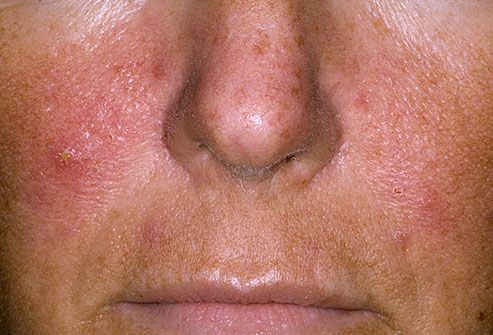
Rosacea
Often beginning as a tendency to flush easily, rosacea causes redness on the nose, chin, cheeks, forehead, even the eyes. The redness may intensify over time, taking on a ruddy appearance with visible blood vessels. In some cases, thickened skin, bumps and pus-filled pimples can develop. Rosacea treatment includes medications as well as surgical procedures such as laser therapy, dermabrasion, and electrocautery to reshape affected areas.
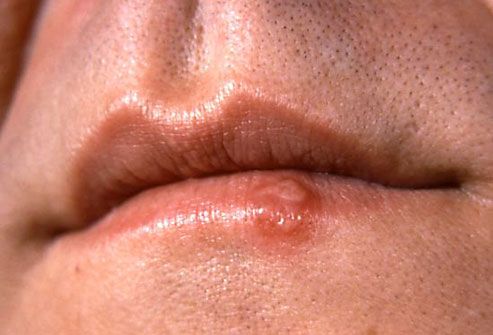
Cold Sores (Fever Blisters)
Small, painful, fluid-filled blisters on the mouth or nose, cold sores are caused by the herpes simplex virus. Lasting about 10-14 days, cold sores are very contagious. Triggers can include fever, too much sun, stress, or hormonal changes such as menstruation. Antiviral pills or creams can be used as treatment, but call your doctor if sores contain pus, you have a fever greater than 100.5 degrees, or if your eyes become irritated.
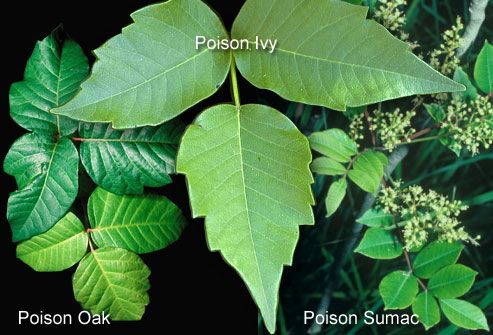
Rash From Plants
Contact with the oily coating from poison ivy, oak, and sumac causes a rash in many people. It begins with redness and swelling at the contact site, then becomes intensely itchy with the development of blisters usually 12 to 72 hours after exposure. The typical rash is arranged as a red line on an exposed area, caused by the plant dragging across the skin. The rash usually lasts up to two weeks.
Soothe Itchy Plant Rashes
Prescription or over-the-counter medication may soothe the itching of mild rashes. Cool compresses and oatmeal baths may help with symptoms. For a severe rash, oral corticosteroid may be given. If the skin becomes infected, antibiotics may be necessary. Avoiding direct contact with the plants can prevent the rash, so learn to recognize poisonous plants. In general, poison oak grows west of the Rockies; poison ivy to the east.
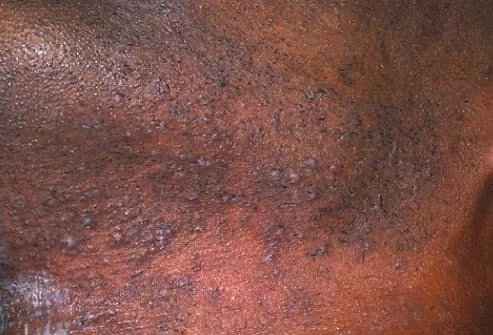
Razor Bumps
Razor bumps are tiny, irritated bumps that develop after shaving. People with curly hair are most affected by them. The sharp edge of closely shaven hair can curl back and grow into the skin, causing irritation and pimples, and even scarring. To minimize razor bumps, take a hot shower before shaving, shave in the direction of hair growth, and don't stretch the skin while shaving. Rinse with cold water, then apply moisturizer.
Skin Tags
A skin tag is a small flap of flesh-colored or slightly darker tissue that hangs off the skin by a connecting stalk. They're usually found on the neck, chest, back, armpits, under the breasts, or in the groin area. Skin tags appear most often in women and elderly people. They are not dangerous and usually don't cause pain unless they become irritated by clothing or nearby skin rubbing against them. A doctor can remove a skin tag by cutting, freezing, or burning it off.
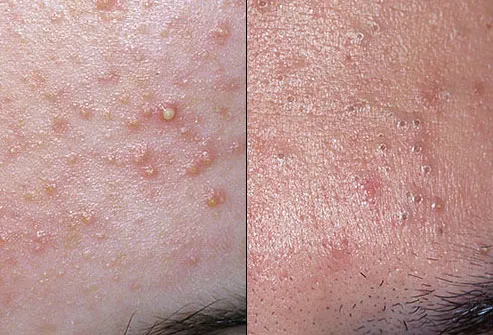
Acne
At the heart of acne lies a clogged pore from oil and dead skin cells that can become inflamed. When open, it is called a blackhead or open comedo; closed, a whitehead or closed comedo. Often seen on the face, chest, and back, acne can be triggered hormones and bacteria. To help control it, keep oily areas clean and don't squeeze pimples (it may cause infection and scars).
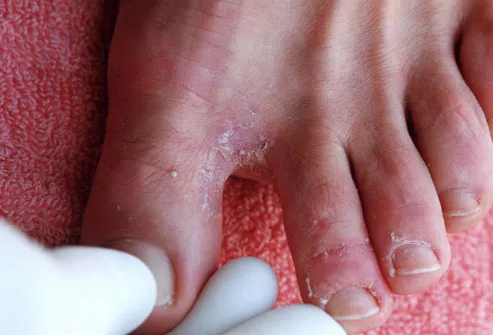
Athlete's Foot
A fungal skin infection that can cause peeling, redness, itching, burning, and sometimes blisters and sores, athlete's foot is contagious, passed by direct contact, sharing shoes worn by an infected person, or by walking barefoot in areas such as locker rooms or near pools. It's usually treated with topical antifungal lotions or oral medications for more severe cases. Keeping feet and the inside of shoes clean and dry is important in treatment.
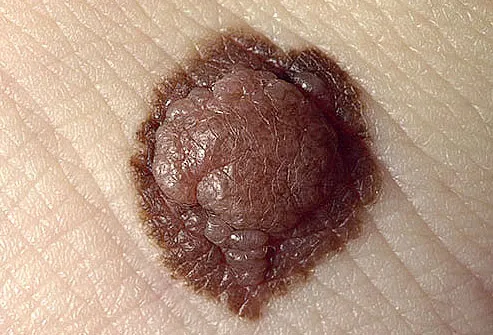
Moles
Usually brown or black, moles can be anywhere on the body, alone or in groups, and generally appear before age 20. Some moles (not all) change slowly over the years, becoming raised, developing hair, and/or changing color. While most are non-cancerous, some moles have a higher risk of becoming cancerous. Have a dermatologist evaluate moles that change, have irregular borders, unusual or uneven color, bleed, or itch.
Age or Liver Spots
These pesky brown or gray spots are not really caused by aging, though they do become more common as people age. They're the result of sun exposure, which is why they tend to appear on areas that get a lot of sun, such as the face, hands, and arms. Bleaching creams, acid peels, and light-based treatments may lessen their appearance. To rule out serious skin conditions such as melanoma, see a dermatologist for proper identification.
Pityriasis Rosea
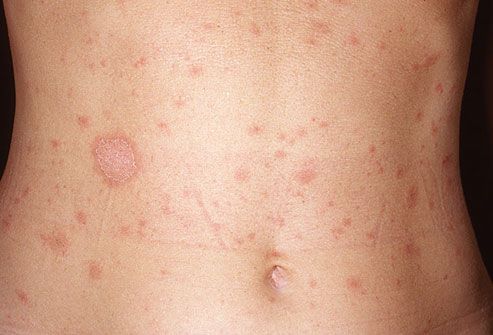
A harmless rash, pityriasis rosea usually begins with a single, scaly pink patch with a raised border. Days to weeks later, a scaly rash appears on the arms, legs, back, chest, and abdomen, and sometimes the neck. The rash may appear "Christmas tree" shaped across the body. The rash, whose cause is unknown, isn't believed to be contagious and can be itchy. It often goes away in 6-8 weeks without treatment. Pityriasis rosea is most often seen between the ages of 10 and 35.
Melasma ('Pregnancy Mask')
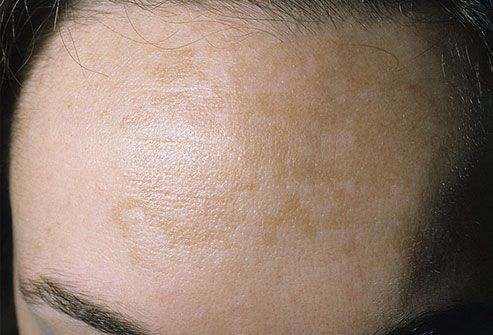
Melasma (chloasma) is characterized by tan or brown patches on the cheeks, nose, forehead, and chin. Although usually called the "pregnancy mask," men can also develop it. Melasma occurs in half of all women during pregnancy. It may go away after pregnancy but, if it persists, can be treated with prescription creams and over-the-counter products. Use a sunscreen at all times if you have melasma, as sunlight worsens the condition.
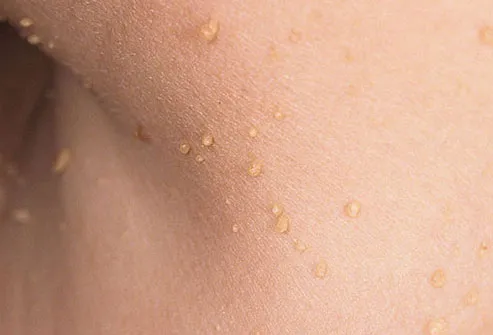
Warts
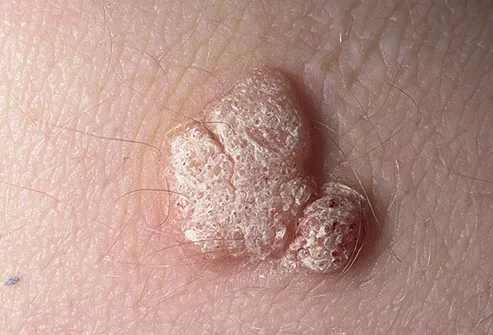
In most cases, common warts appear on the fingers or hands. Caused by contact with the contagious human papillomavirus, warts can spread from person to person or via contact with something used by a person with the virus. You can prevent spreading warts by not picking them, covering them with bandages, and keeping them dry. In most cases, warts are harmless, painless, and go away on their own. If they persist, treatments include freezing, surgery, lasers, and chemicals.
Seborrheic Keratoses
Noncancerous growths that may develop with age, seborrheic keratoses can appear on many areas of the skin either alone or in groups. They may be dark or multicolored, and they usually have a grainy surface, though they can be smooth and waxy. No treatment is necessary unless irritation develops or their appearance is a concern. Because seborrheic keratoses may be mistaken for moles or skin cancer, see a dermatologist for proper diagnosis.
More Reading on Skin Problems
What is Shingles? Get the Basics
Coping With Adult Acne
An Overview of Hives
The Emotional Toll of Psoriasis
Three Questions About Eczema
Your Skin and Rosacea
Warts: 10 Answers to Frequently Asked Questions
Skin Problems & Treatments Community
Monday, November 8, 2010
How to cure Atopic eczema by changing your diet?
after reading this posting.

Tuesday, June 15, 2010
My allergy to Laksa
From last night, I felt slight pain and "somrting poking" at finger tip of my left thumb.
At the same time my right palm also has skin problem (Eczema ?) due the prawn contents of th laksa.
So I should never eat even very little amount of laksa again!
Monday, January 11, 2010
Information on Natural Cure for Eczema by eczema-naturalcures.com
http://www.eczema-naturalcures.com/.
I am also a firm believer in curing many diseases including eczema naturally by eating the right foods and not eating the wrong foods because we are what we eat.
Sunday, May 31, 2009
NO CURE FOR ECZEMA? Can ECZEMA be cured? -- eczema-natural-healing.com
The following is the welcome message at the site by Donia:
Welcome to my (Donia's) Eczema Natural Healing website! If you are looking for a natural healing approach for eczema, you've come to the right website. The pictures you are looking at are my photos. I suffered from eczema ever since I was a child and today I'm eczema free.
My goal in setting up this website is to inspire, empower and support every single individual suffering from eczema to have the kind of success and healing results that I experienced by using a natural and holistic approach. Suffering from eczema is not your inescapable destiny. This website will teach you how to use a natural superfood diet and a supplement program to heal your body from eczema for good. So, let the journey begin and I sincerely hope that the information provided in this website will lead you to an eczema free life.
Information Source: http://eczema-natural-healing.com/
Saturday, May 16, 2009
Demaveen Moisturising Lotion 250 ml for relief of dry itchy or sensitive skin

My palms (mainly right palm) still have dry and itchy skins on and off probably due to the dish washing liquid I use.
Friday, April 17, 2009
Irritant Dermatitis (skin allergy/inflammation of the skin) caused by pesticide in Pak Choi or Xia bai cai (Eczema?)
However, after taking a few sips of the smoothie, a slightly itchy and red rash of dermatitis appeared at the part of my right hand just below the last two fingers. (Please the photo above.) The culprit was probably the pesticide contained in the vegetable.
I threw away the remaining smoothie.
My comments: I should try a Banana + Pak Choi smoothie with an organic Pak Choi next time to ascertain the skin problem was due to the pesticide contained in the vegetable.
Sunday, April 12, 2009
How to prevent or cure eczema in children? By probiotics? Also for Adults?
(a) According to Expert Answers to the question ‘What exactly are probiotics? What health benefits do they offer?, probiotics may help to prevent eczema in children. For details, please visit http://www.mayoclinic.com/health/probiotics/AN00389
(b) According Calorine, her four-year-old child’s eczema was healed after taking chewable probiotic from Vidazorb. For details, please visit her comment dated 12 April 2009 to this blog: https://www.blogger.com/comment.g?blogID=1819035984379172946&postID=4134748973818405871
Calorine’s blog is at http://allergiesmykidsandme.blogspot.com/ (Added to this post on 2009-05-31)
My Comment: Maybe probiotic can prevent or cure eczema in adults too!
Saturday, April 11, 2009
Dermovate Cream 25 grams by GlaxoSmithKline for eczema (skin problems)
The details of the cream is as follows. Please click at the pictures to view.